- 100% Natural
- Premium Quality
- No Preservatives
- Fresh & Healthy
A practical guide to using chopped, sliced and finely crushed pista as a thoughtful dessert finish.
A pistachio dessert garnish can add colour, a nutty flavour and a little crunch to kheer, cake or a simple bowl of yoghurt. The finish works best when the cut matches the dessert. Large pieces make a clear textural statement, while finely chopped pista gives a more even scatter.
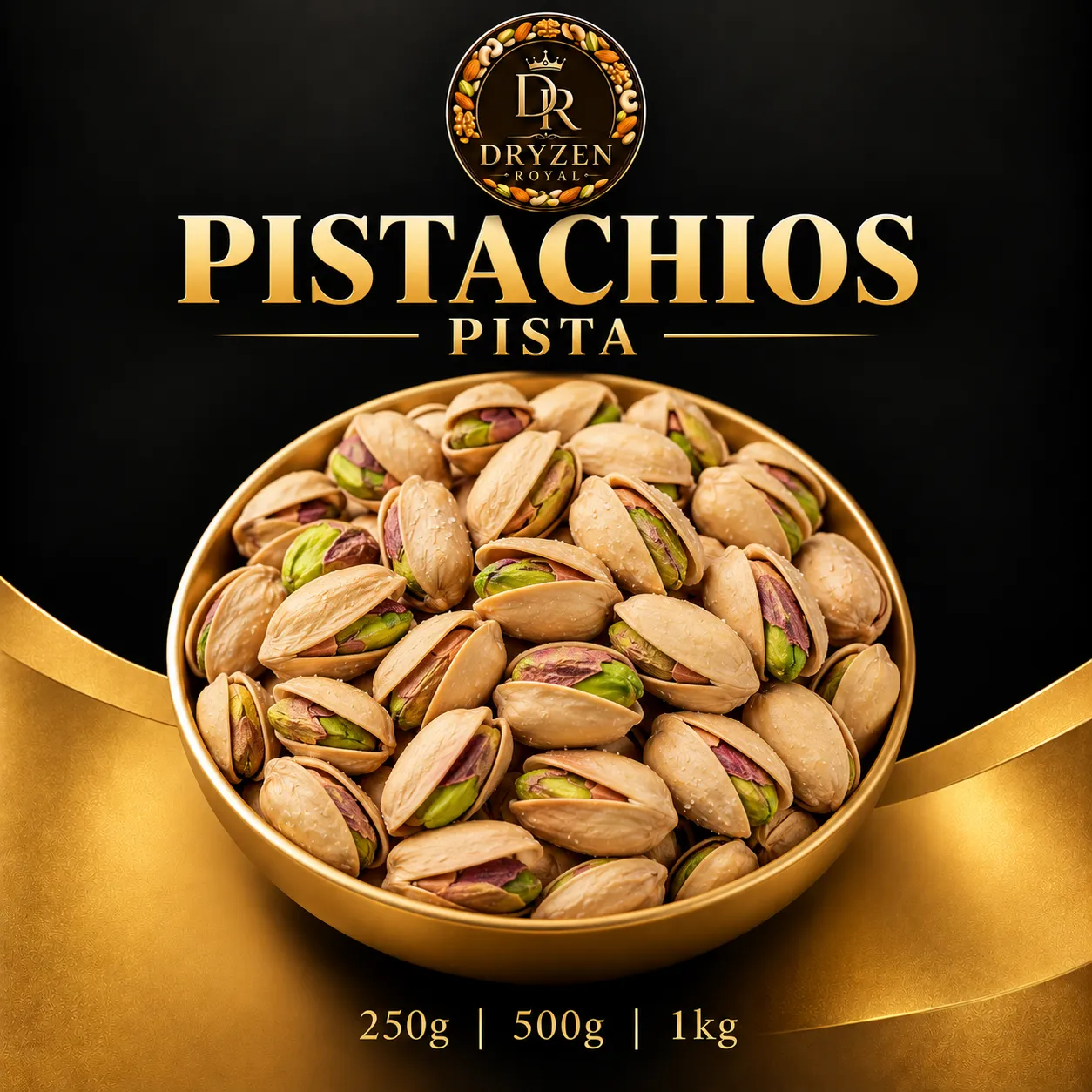
Start with shelled kernels and inspect them for shell fragments. Plain unsalted pistachios are a flexible choice because they do not introduce an unexpected salty note. Salted pista can create a deliberate contrast on a sweet dessert, but taste it first and use it with restraint.
The natural colour varies from kernel to kernel. A garnish does not need to be a uniform bright green to be appealing. Brownish skin and paler pieces are part of the ingredient's appearance, so choose a cut and arrangement that looks good without relying on an unrealistic colour expectation.
For kheer or another spoon dessert, chop the kernels into small pieces that fit comfortably on a spoon. For a large cake, a slightly coarser band around the edge can provide a clear decorative border. For small sweets, finely chopped pista is often easier to apply neatly.
Thin slivers give a more delicate finish but require careful cutting. If that is awkward, use a coarse chop instead. A simple, consistent garnish usually looks more intentional than a mixture of large halves, powder and uneven strips scattered without a plan.
Use a stable board and a sharp knife, keeping the nuts gathered in a manageable pile. Chop a little at a time so the kernels do not roll across the work surface. Scrape them into a shallow bowl and check whether any pieces are too large for the intended dessert.
A small processor can help when a finer finish is wanted. Pulse briefly and inspect between pulses. Continuous processing can turn the nuts into clumps and eventually paste, which will not scatter like dry chopped kernels.
As a starting presentation example, prepare about 15 to 20 g shelled pistachios for four small dessert bowls. This is an adjustable garnish quantity, not a dietary serving recommendation. Divide a little between the bowls, then assess whether the flavour and appearance need more.
For a cake, make a test patch on one portion or use a small area of the surface first. A narrow line, a crescent or a neat central cluster can be more effective than a dense covering. Let part of the dessert remain visible so the topping has contrast.
For the clearest crunch, add chopped pista close to serving. Moist surfaces gradually soften nuts, while warm desserts release steam. If you are preparing a chilled pudding ahead, keep the measured garnish separate and scatter it on when the bowls are ready to leave the kitchen.
For a cake with frosting, apply the nuts while the surface is soft enough to hold them. Gently press a border into place without pushing crumbs through the icing. If the dessert will travel, use a container that leaves enough headroom for the garnish.
Pistachio works as a decorative accent with cardamom, chocolate, citrus or rose-flavoured desserts. Choose a pairing that fits the recipe rather than adding every flavour at once. Rose water in particular is best measured according to the dessert recipe, not poured over a finished garnish.
Finely chopped dried fruit can add another colour, but it also adds chewiness and sweetness. Test a small spoonful first. Pistachio paste and sweetened cream are different ingredients and should not replace chopped kernels when the goal is a crisp finish.
Store unused kernels according to the pack, and keep chopped nuts covered and dry. Handle ready-to-eat garnishes with clean utensils. Clearly identify pistachios on a shared dessert table; a fine green dust still contains nuts even when guests cannot recognise the pieces.
Explore Dryzen Royal pistachios for current product details. For another useful preparation reference, read our pistachio paste versus cream guide.
For kitchen hygiene and chilling advice, consult the FDA kitchen hygiene guidance.
Yes, if a salty contrast suits the dessert. Taste the nuts first and use a small amount.
No. Finely ground nuts and a blended paste have different textures and are not interchangeable garnishes.
Questions about this article?
Email us and we will get back to you.
Explore more
