- 100% Natural
- Premium Quality
- No Preservatives
- Fresh & Healthy
A light coating of lemon and olive oil, finished with chopped pistachios, makes a simple pasta supper.
Pistachio lemon pasta uses a short ingredient list to create a bright, textured dinner. Pista provides the crunch, lemon adds aroma and sharpness, and a little starchy pasta water helps the olive oil coat the noodles. It is a loose coating rather than a heavy cream sauce, so timing and gentle tossing make a difference.
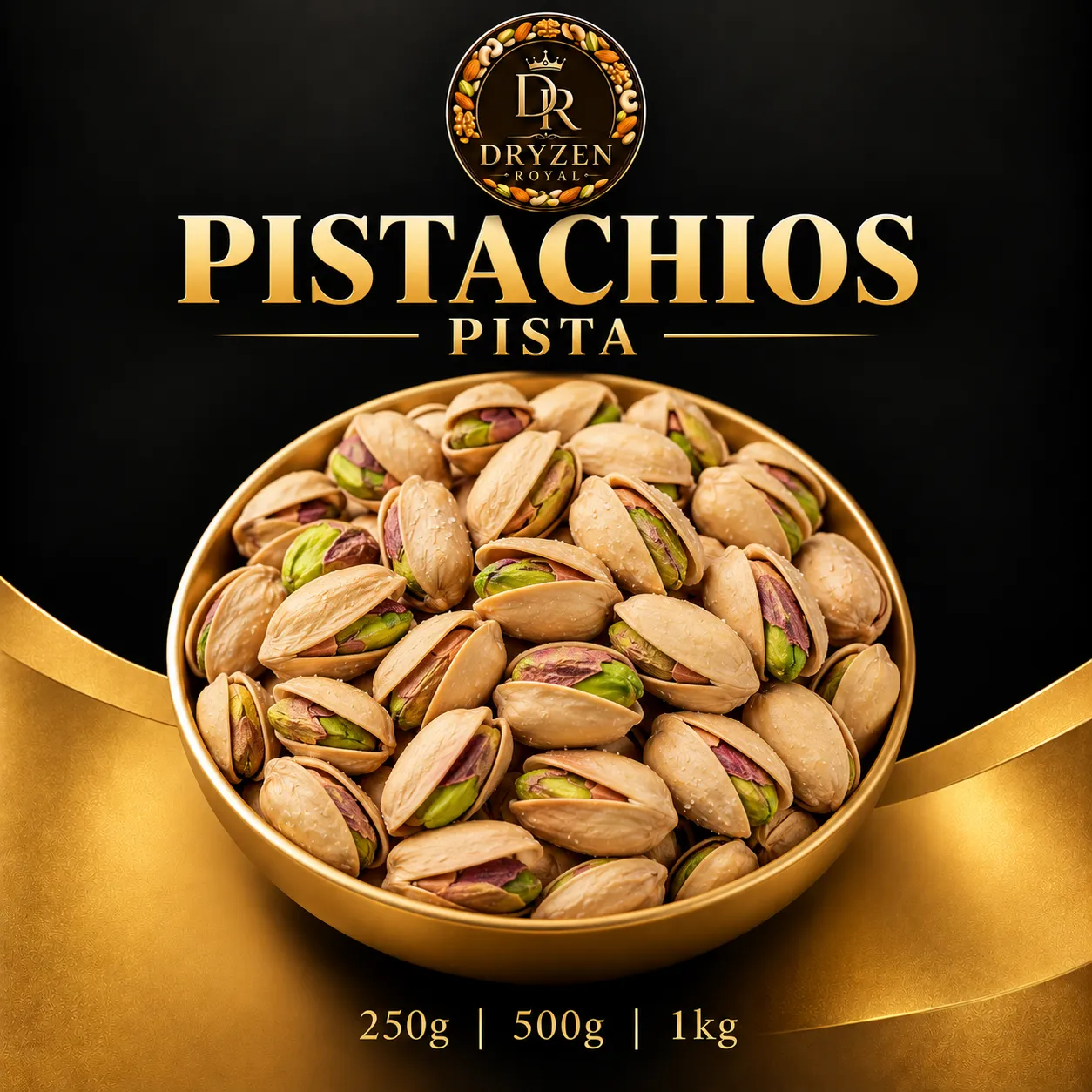
For two main servings, use 180 g dried pasta, 45 g shelled pistachio kernels, two tablespoons olive oil, one small garlic clove, one teaspoon finely grated lemon zest and one tablespoon lemon juice. Add two tablespoons chopped parsley, black pepper and salt as needed. Keep a mug ready for reserving pasta water.
Spaghetti, linguine or a short pasta shape can all work. Choose one shape and follow its packet for the cooking time. The pistachio weight is for kernels, not shells; weigh after shelling so the topping is not unexpectedly sparse.
Remove every shell fragment and roughly chop the pistachios. Aim for small pieces with some visible texture rather than a fine powder. Set aside about a third for finishing the plates. Plain unsalted kernels give the most control, although salted pista can be used with careful seasoning.
Wash the lemon before zesting and take only the coloured outer layer. Juice it separately so you can measure the amount. Lemons vary in acidity and size, which is why adding the juice in stages is more reliable than squeezing an entire fruit straight into the pan.
Bring a large saucepan of water to a boil. Add salt appropriate to your ingredients, then cook the pasta according to the packet. Before draining, reserve a mug of the cooking water. You will only need some of it, but having extra makes adjustment easier.
While the pasta cooks, warm the olive oil in a wide pan over low heat. Add finely chopped garlic and stir until fragrant. Avoid browning it deeply: dark garlic can compete with the lemon and pista. Turn off the heat if the pasta is not ready yet.
Transfer the drained pasta to the pan. Add the lemon zest, half the measured juice and two tablespoons of reserved pasta water. Toss over gentle heat, adding another spoonful of water if the noodles look dry. The goal is a glossy coating that clings without pooling at the bottom.
Fold in the chopped parsley and two thirds of the pistachios. Taste, then adjust pepper, salt and the remaining lemon juice. Divide between warm plates and finish with the reserved pista. Serve promptly, because the pasta continues absorbing liquid as it stands.
If the flavour is too sharp, stop adding lemon juice and loosen the pasta with a little cooking water and oil. If it tastes flat, a small pinch of salt may help before you reach for more lemon. Make one change at a time, tossing and tasting between additions.
A little finely grated hard cheese is optional, but it changes both saltiness and the ingredient list. Add it gradually with extra pasta water if needed. Keep the cheese separate at the table when diners have different preferences.
Cooked peas, wilted spinach or lightly cooked courgette can add vegetables. Prepare them before the final toss so you do not leave the pasta waiting while another ingredient cooks. Avoid adding a large amount of watery vegetables directly to the finished sauce.
For a more pronounced nut flavour, gently toast plain pistachios in a dry pan and let them cool before chopping. Already roasted pista does not need another lengthy toasting step. Never use sweetened pistachio cream as a direct replacement for the chopped kernels in this savoury method.
Identify pistachios and any optional cheese when serving guests. Refrigerate leftovers promptly and keep extra dry topping separate. Reheated pasta will usually be softer than freshly tossed pasta, so add a small splash of water as needed and reserve fresh nuts for the final garnish. Make only the amount you expect to enjoy when texture is the priority.
Explore Dryzen Royal pistachios for current product details. For another useful preparation reference, read our salted versus unsalted pistachios guide.
For kitchen hygiene and chilling advice, consult the FDA safe food handling guide.
No. The recipe quantity refers to edible kernels after removing the shells.
Yes, but taste the finished dish before adding more salt and use lightly salted pasta water.
Questions about this article?
Email us and we will get back to you.
Explore more
