- 100% Natural
- Premium Quality
- No Preservatives
- Fresh & Healthy
A practical comparison of seasoned and plain pista, with label-reading tips and examples for desserts, savoury cooking and serving guests.
Unsalted pistachios give you control over seasoning, while salted pista brings a ready-seasoned flavour to the table. The right choice depends on what you are making and how you prefer to eat it. Before buying, look beyond the words salted and unsalted: shell, roasting, coatings and usable weight also affect how a pack will work for you.
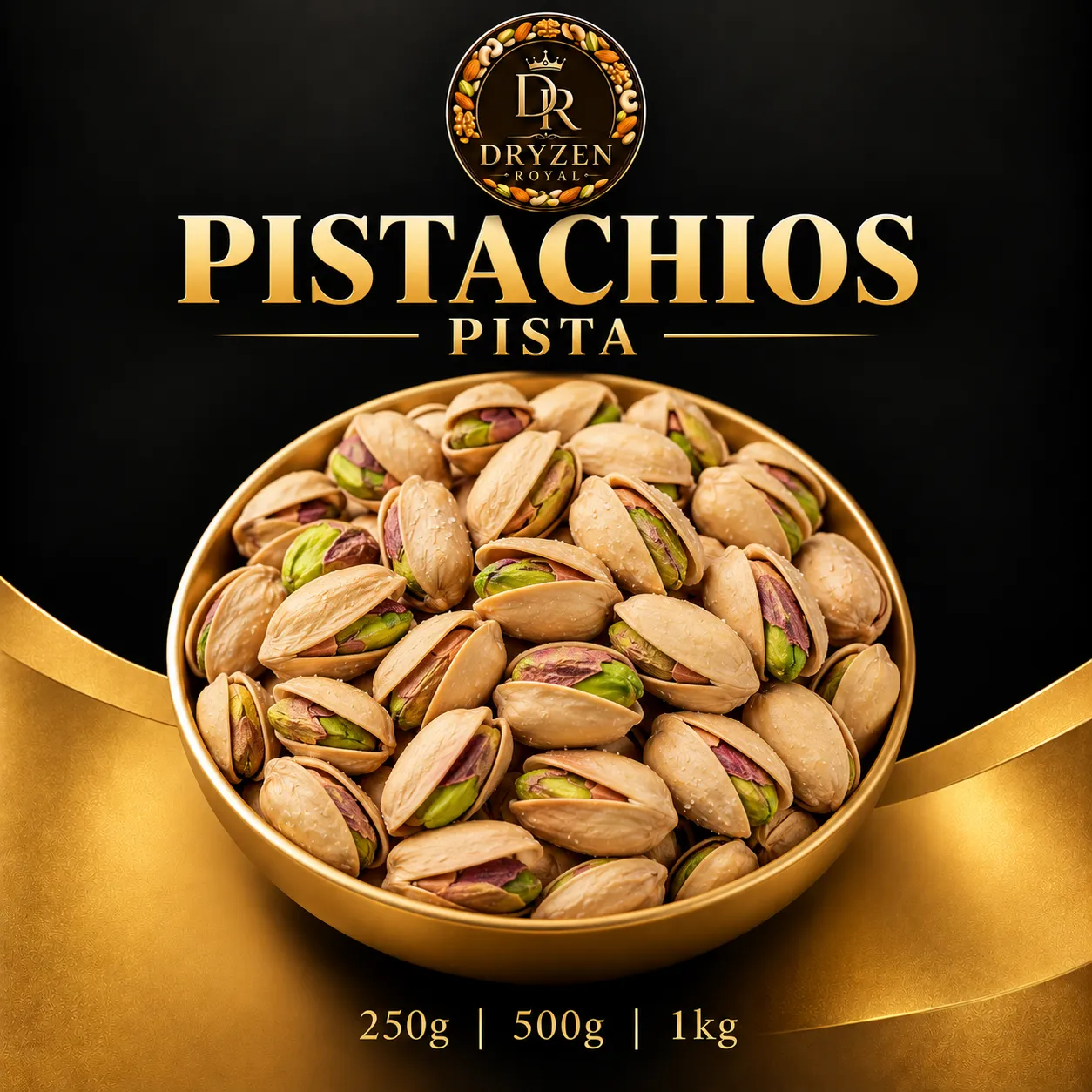
An unsalted description tells you about added salt; it does not tell you whether the nuts are roasted or in their shells. You can encounter roasted unsalted nuts, roasted salted nuts and other preparations. A recipe that asks for plain kernels may need more detail than a packet that simply says premium pista.
The FDA's explanation of sodium labels notes that unsalted or no-salt-added does not automatically mean sodium-free. Use the nutrition panel for the actual product when comparing sodium, and compare equal amounts. The linked guide explains US label terminology; do not treat its regulatory thresholds as Pakistani labelling rules.
You also cannot judge sodium from how strongly salty a single nut tastes. Seasoning distribution, coatings and serving sizes can differ. If a specific intake limit matters to you, rely on reliable label information and your individual guidance rather than a general product description.
Think about the other ingredients in the dish. A sauce with salty cheese or stock may need very different seasoning from a milk-based dessert. Unsalted pistachios are convenient when you want the same pack to work across several recipes, because you can adjust seasoning in each dish.
Roasting affects flavour and texture, while salt is a seasoning choice. If you are trying to repeat a recipe, note both details when shopping. Switching from plain unroasted kernels to strongly roasted salted nuts makes more than one change at a time, so it becomes harder to understand why the result tastes different.
For a kitchen comparison, prepare two small portions of a familiar dish, changing only the pista preparation. Taste them at the temperature at which you intend to serve them. A nut that seems strongly flavoured on its own may behave differently once mixed with rice, yogurt or a sweet filling.
Do not heat pre-roasted nuts aggressively just because a recipe includes a toasting step for unroasted ingredients. Check their colour and aroma and adapt the preparation to what you actually bought. Thin chopped pieces can darken quickly, so keep them moving and watch the pan.
A 250 g in-shell pack and a 250 g kernel pack do not contain the same weight of ready-to-use kernels. If your recipe calls for 50 g of chopped pista, weigh the kernels after shell removal. Avoid relying on a fixed shell-to-kernel conversion because size and the particular batch affect the yield.
Our shelled versus in-shell pistachios guide explains usable-weight comparisons. Ready kernels may save time for baking, while in-shell nuts can suit a snack bowl. Include shelling time in your decision when preparing several dishes or serving many guests.
Remove shell fragments before chopping. A separate bowl for discarded shells helps keep the work surface organised and makes it less likely that a fragment ends up among the kernels. Do not weigh the waste together with the food you plan to use.
Sometimes, but start with a small test. For a savoury dish, add the nuts before making the final salt adjustment. For a sweet dish, a lightly salted topping may be a deliberate flavour choice, but heavily seasoned nuts can change the result in ways the recipe did not intend.
Do not assume that rinsing salted nuts produces the same ingredient as commercially prepared unsalted pistachios. Rinsing adds moisture and does not provide a dependable way to measure how much sodium remains. It can also change how the nuts behave in a dry garnish or baking mixture.
If you only need a small decoration for a celebration dessert, it may be simpler to buy the required preparation. If you are experimenting with your own meal, record the change so you can repeat it. For cutting techniques, read our guide to chopping nuts.
When buying again, recheck the label because a familiar pack design does not guarantee an unchanged recipe or preparation.
Flavoured pista may include seasonings beyond salt. Check for oils, sugar, spice blends and any additional ingredients relevant to the people eating it. A green kernel colour alone does not establish whether a product has a particular coating, origin or processing method.
Keep the original label available if serving a mixed snack bowl. Pistachios are nuts, and a seasoning blend may introduce other ingredients. For guests with allergies, a general description such as plain or premium is not enough to establish suitability.
Choose a pack size you can use while following the supplier's storage guidance. Close the pack after use and keep strong-smelling seasonings out of the container unless you intentionally want a flavoured mix. Label separate kitchen jars so plain and salted kernels are easy to distinguish.
Browse Dryzen Royal pistachios and confirm the available salt, shell and roasting options before ordering. This comparison does not imply that every preparation is currently listed. Choose unsalted pistachios when flexible seasoning is your priority, and choose a salted preparation when its flavour fits the intended use.
No. Roasting and salt are separate characteristics. Read the full product description to confirm both.
You can choose a salty contrast deliberately, but plain kernels give more control over the dessert's flavour. Test a small amount before topping the whole batch.
Not automatically. Check the product's nutrition information and compare equal serving weights rather than relying on the front-label wording.
Questions about this article?
Email us and we will get back to you.
Explore more
