- 100% Natural
- Premium Quality
- No Preservatives
- Fresh & Healthy
Cook pistachio semolina porridge with measured milk, semolina and pista. Follow gradual whisking and texture cues for a smooth warm breakfast bowl.
Pistachio semolina porridge is a warm bowl with a fine grain texture and a modest pista finish. It cooks quickly, so measuring before the pan heats is more useful than rushing to find ingredients while the milk boils. The aim is smooth and spoonable rather than a stiff slab.
This breakfast method uses milk and a little optional sugar. It is not the same as a syrup-soaked semolina cake or a long-simmered rice pudding. Adjust the served texture with small additions rather than changing the grain quantity mid-cook.
This makes two modest bowls. Allow about fifteen minutes from setup to serving.
Use fine semolina for the first trial. A very coarse product may need a different cooking time and liquid balance.
Weigh edible kernels after shell removal. Plain unsalted nuts make the finishing flavour easier to control.
Our pistachio preparation guide explains the distinction. Read the current listing rather than assuming the store offers every variation.
Chop small enough for a comfortable spoonful. Large hard pieces can dominate a soft breakfast.
Use a heavy saucepan and bring milk toward a quiet simmer, stirring across the base. Do not wait for a violent rolling boil.
Keep the measured semolina in a small bowl so it can be added steadily. A large dump into hot milk is more likely to make dry-centred lumps.
If the milk begins catching, lower the heat and stir more frequently. Do not scrape scorched material into the bowl.
Sprinkle semolina gradually while whisking. Continue stirring over low heat until the grains soften and the mixture becomes creamy, commonly around five to eight minutes.
Add optional sugar and cardamom modestly. Fold in a little chopped pista, reserving most for the surface.
The mixture should flow slowly off the spoon. If stiff, add warm milk a tablespoon at a time. Do not add more dry grain simply because the first minute looks loose.
Take a small spoonful onto a cool dish and wait briefly. This shows how the bowl will thicken as it stands.
A hot pan sample can encourage overcooking. Stop while the mixture is slightly looser than the final serving texture you want.
Divide into two bowls and add a small nut topping. Fruit or yogurt can be offered separately if desired, with their own ingredient and storage considerations.
For a cold pista dessert with a different method, our pistachio kulfi uses reduction and freezing.
Do not assume one preparation inherits the cooking times of another simply because both contain milk and nuts.
Small fresh lumps may loosen with gentle whisking. Large cooked lumps are harder to remove, so gradual addition is the better prevention.
If too thick, add milk in small amounts. If bland, assess a cooled spoonful before increasing sugar or cardamom.
If the nut flavour is weak, check whether a large topping was omitted rather than adding strong essence automatically. A small measured change is easier to repeat.
Serve soon after cooking. Cool any reserve promptly and refrigerate covered at 4°C or below. Reheat thoroughly and loosen with a little milk if needed.
Identify wheat from semolina, milk and pistachios when sharing. Avoid medical claims or promises that the bowl suits every dietary requirement.
Keep the dry nut pack closed during wet cooking. Use a separate clean spoon for garnish and do not return milk-coated utensils to it.
Begin with a clear working space. Measure semolina and milk separately and prepare the nut topping before heating. Set the measured ingredients beside the equipment before heating anything, and keep the original packs outside the wet preparation area. This makes it easier to distinguish a measured recipe portion from the unused reserve.
Bring the milk to a gentle simmer while keeping the whisk ready for gradual grain addition. Keep a short written order of tasks if several components are involved. A bowl that is ready early can be covered or chilled as appropriate while another stage finishes. Avoid leaving perishable ingredients on a warm counter simply because the next step is not ready.
Assess a cooled spoonful for texture before adding more milk or sweetness. Assess a small prepared sample before changing the whole batch. Record the original quantity and the adjustment so a successful result can be repeated. Changing several ingredients at once makes it harder to identify what improved the texture or flavour.
Serve small warm bowls and keep perishable toppings separate until needed. Bring out a manageable serving amount and keep the reserve protected. Use clean utensils for the finished food and retain the source ingredient information for anyone sharing it. Packaging and storage should match the prepared dish, rather than the dry ingredient from which it began.
This dish thickens quickly, so have bowls, clean spoons and garnish ready before the semolina enters the milk. A long pause to find serving equipment can turn a good pan texture into a much stiffer bowl.
If breakfast is served in rounds, keep the working amount separate and add a little warm milk only as needed. Avoid repeatedly thinning the whole pan until its original ratio becomes unclear.
For a later batch, record the semolina grind and the milk actually added after cooking. Those details help explain why one bowl feels smoother or thicker than another. The number of minutes is useful, but it should remain alongside the texture check rather than replace it.
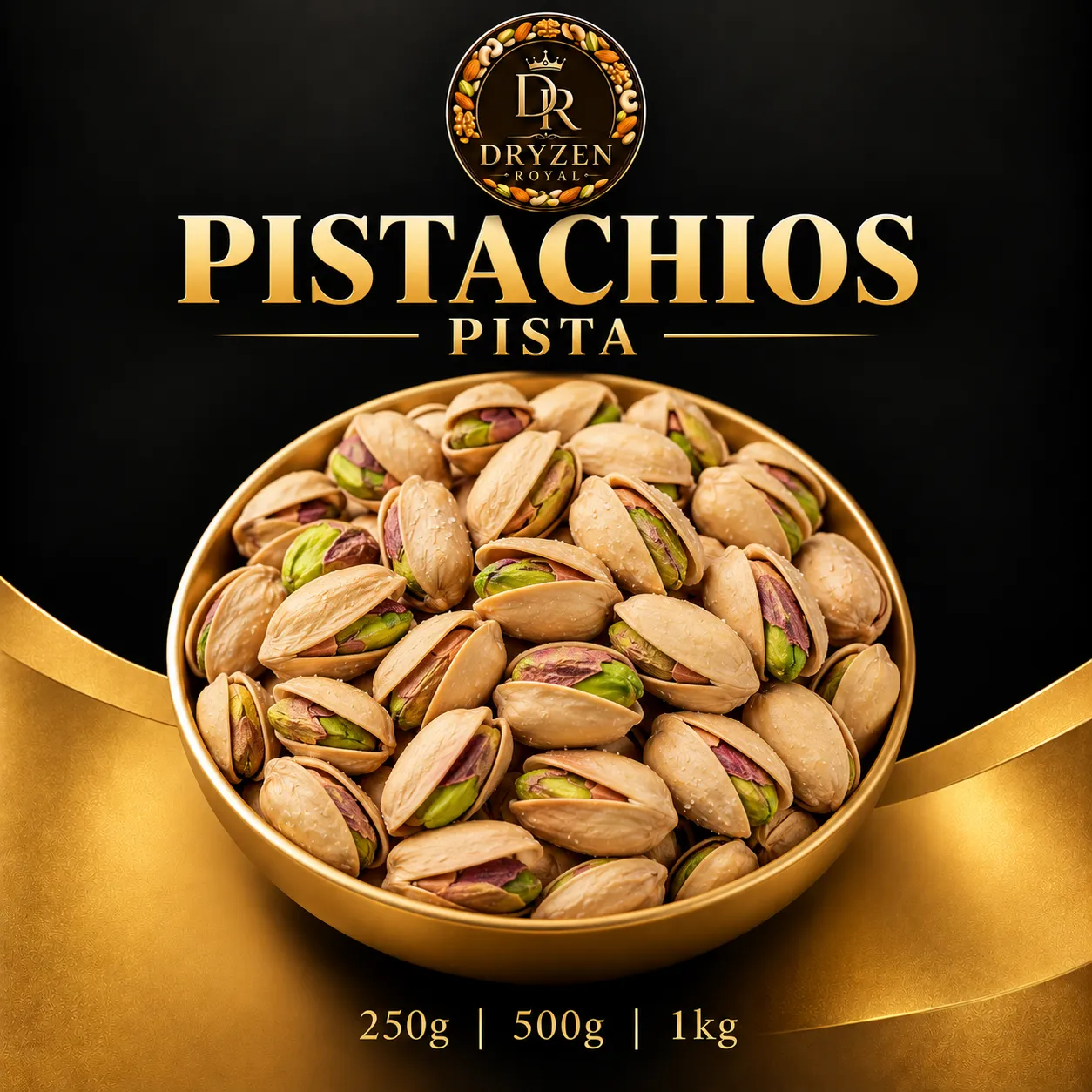
Explore Premium Pistachios Pista Nuts Dryzen Royal when planning pistachio semolina porridge. Check the current preparation and pack information, choose the quantity your recipe needs, and keep the remaining dry ingredients stored as directed.
No. The grain and thickening behaviour are different.
Finely chop for a softer spoonful and keep the topping modest.
Semolina continues absorbing liquid as the bowl stands. Finish slightly looser than the desired served texture.
Plain nuts give control. Check and test the actual preparation before topping the full batch.
Questions about this article?
Email us and we will get back to you.
Explore more
