- 100% Natural
- Premium Quality
- No Preservatives
- Fresh & Healthy
A dukkah-inspired seed and spice blend with separate toasting stages, a coarse finish and measured serving ideas.
Pumpkin seed dukkah is a coarse mixture of toasted kaddu beej, sesame and aromatic spices that you can sprinkle over everyday dishes. Dukkah is associated with Egyptian cooking and commonly includes nuts or seeds with spices. This version is a home-kitchen adaptation built around edible pumpkin kernels rather than a claim to one definitive traditional formula.
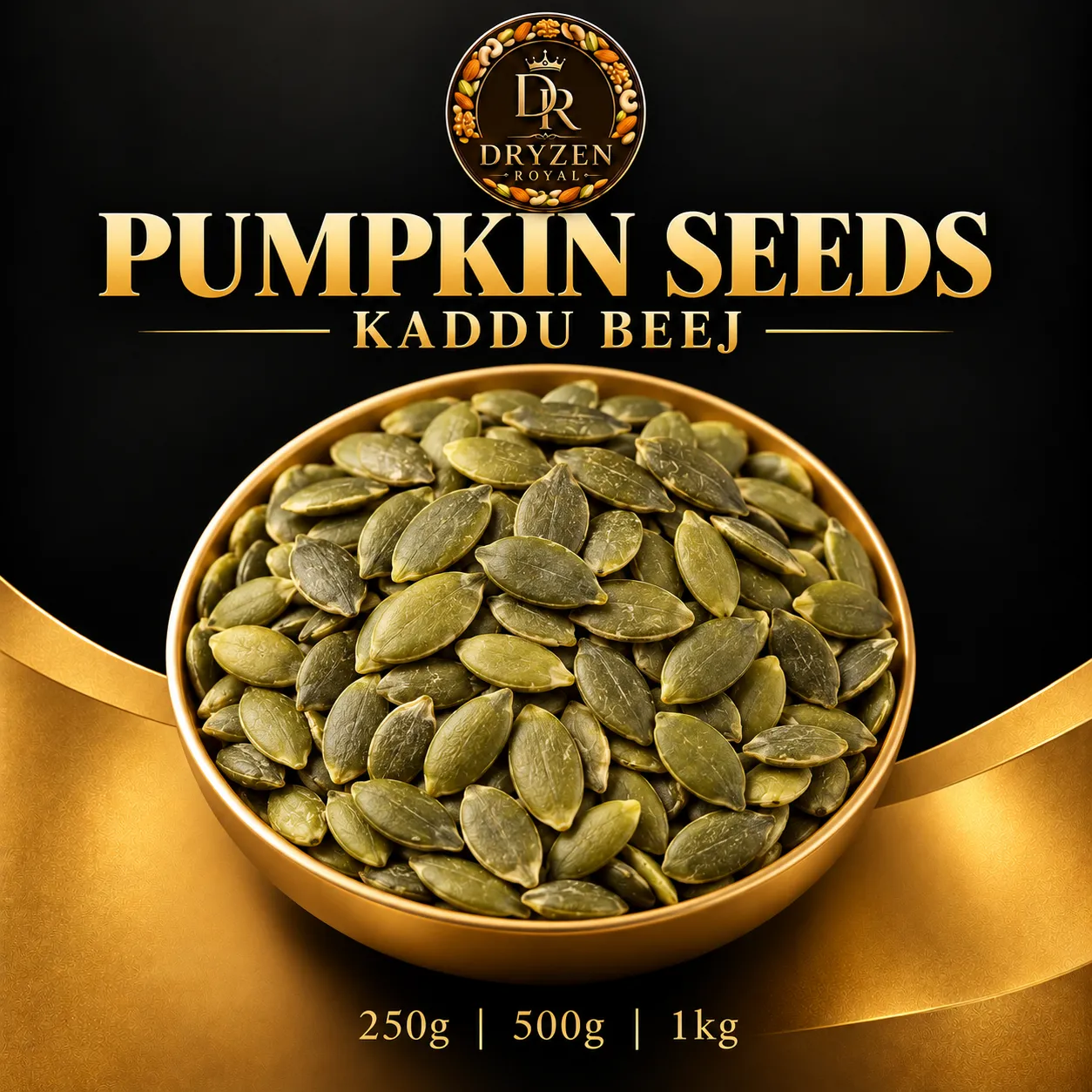
The contrast matters: some seed pieces remain noticeable, while crushed spices spread through the blend. Grinding everything into a fine powder loses that texture. Separate toasting stages also help because large kernels, small sesame seeds and whole spices do not all brown at the same speed.
This formula makes approximately 110g of dry seasoning, depending on the exact spoon measurements. Allow around 20 minutes for preparation, toasting and cooling. Start with a small batch while you discover how quickly your household uses it.
Use a heavy frying pan, two plates for cooling, a mortar and pestle, and a clean airtight jar. A small food processor can help, but short pulses give more control than continuous running. Make sure the equipment is dry before beginning.
Use shelled edible seeds rather than whole seeds surrounded by hard white shells. Read the product description for roasting and seasoning details as well. Already salted or roasted seeds need a different approach from plain raw kernels.
Our pumpkin seed kernels and whole seeds comparison explains the distinction. Do not use the same weight of hard-shelled seeds and expect the same amount of edible seasoning.
Place a heavy dry pan over medium-low heat. Add the pumpkin kernels in a shallow layer and stir frequently. Watch for a slightly deeper colour and a toasted aroma rather than waiting for every seed to become dark.
The seeds may make small popping sounds or move in the pan. Keep your face and hands back and do not leave the pan unattended. A small batch often takes only a few minutes, but pan thickness and starting temperature change the timing.
Transfer the kernels to a plate as soon as they are ready. Leaving them in the hot pan can continue the cooking and turn a pleasant toasted flavour into bitterness. Spread them out so they cool rather than steaming in a deep pile.
If your kernels are already roasted, begin with a small sample and decide whether any warming is needed. Repeating a full raw-seed toasting stage can make them too dark. Also reduce the initial salt if the product is seasoned.
A consistent starting ingredient makes it easier to repeat the blend. Note the preparation on the label instead of relying on colour alone, which can vary between batches and products.
Add the sesame seeds to the pan at a lower heat and stir continuously. Their small size means they can change quickly. Tip them onto a separate plate when they begin smelling nutty and looking lightly coloured.
Next warm the coriander and cumin seeds with the peppercorns for a short time, stirring. Stop when the aroma becomes clear. The aim is to release fragrance, not to blacken the spices. Transfer them out immediately and allow everything to cool.
Separating the ingredients costs an extra minute or two but gives much better control. If a small spice batch burns, you can replace it without discarding all the pumpkin seeds. Do not mix scorched spices into the jar hoping salt will hide the taste.
Start by crushing the cooled coriander, cumin and pepper in a mortar. They need a finer treatment than the seeds because an intact peppercorn can dominate a mouthful. Add salt to help the crushing process, using the smaller initial quantity.
Add the pumpkin kernels in portions and press and turn the pestle rather than pounding everything into paste. Fold in the sesame and optional chilli flakes near the end. Stop when the blend contains small fragments with enough texture to remain visible on food.
Pulse the spices first in equipment suited to small dry quantities, then add the cooled seeds. Use one-second pulses and inspect between them. Scrape down as needed with the machine stopped. Warm seeds and prolonged processing can release oil and push the mixture toward a paste.
If your machine cannot handle such a small amount, a mortar may be more practical than doubling the recipe solely to fill the bowl. Do not add water to make the blades catch; this is intended as a dry condiment.
Sprinkle a little pumpkin seed dukkah over a piece of bread or a spoonful of plain yogurt before deciding that the salt is too low. A dry pinch can seem much stronger than the same amount distributed over vegetables or eggs.
If the coriander dominates, add a little more toasted pumpkin seed rather than another strong spice. If the blend is bitter, inspect whether a component was over-toasted. More salt or chilli does not remove burnt flavours.
For your next batch, change only one proportion. You might prefer less cumin, a coarser crush or a smaller sesame share. Keep a brief note so the mixture becomes a repeatable kitchen ingredient rather than a different experiment every time.
Begin with approximately one teaspoon per serving and adjust to taste. The seasoning should complement the meal rather than bury its other flavours. Keep any oil or yogurt separate from the main dry jar.
Our pumpkin seed soup-topping guide offers another way to use kernels when you want a simpler finish. This dukkah-style blend adds a distinct spice component, so the two are not identical substitutions.
Let pumpkin seed dukkah cool completely before sealing it in a clean dry container. Label the preparation date and keep it away from sunlight, cooking steam and strong kitchen heat. Make small quantities and check condition rather than assigning an unsupported long shelf life.
This mixture contains sesame and should not be described as universally allergy-safe. When serving it with perishable foods, the FDA’s food-storage guidance recommends keeping refrigerated foods at 4°C or below. Store the dry condiment separately from the prepared dish.
If using the blend on a tray of vegetables, season the vegetables lightly at first and add the seed mixture after cooking. This keeps small seed fragments away from prolonged oven heat and lets you make the final salt adjustment with the whole dish in front of you.
Explore Dryzen Royal Pumpkin Seeds for your next pumpkin seed dukkah. Check the current shell and roasting information, then choose a quantity that fits your cooking routine.
Use edible shelled kernels. Hard outer shells do not give the intended coarse, spoonable seasoning.
No. Stop crushing while small seed pieces remain. A powder loses the varied texture, and prolonged blending can release oil.
No. This recipe includes sesame, and product handling can introduce other ingredients. Check labels and the needs of the person eating it.
Keep the stored blend dry. Combine oil and seasoning only in the portion you intend to serve.
Questions about this article?
Email us and we will get back to you.
Explore more
