- 100% Natural
- Premium Quality
- No Preservatives
- Fresh & Healthy
A small risotto with toasted pumpkin kernels and a measured warm-stock method, made without wine.
Pumpkin seed risotto combines a creamy rice base with toasted kaddu beej kernels added near the end. The rice releases starch as warm stock is added gradually, while the seeds provide a gentle crunch. This version uses no wine, making the liquid balance straightforward for a home kitchen.
Use a rice intended for risotto, such as arborio, rather than expecting basmati to behave the same way. Basmati can make many good dishes, but it does not create this texture by the same method. Pumpkin seed risotto is most enjoyable soon after cooking, when it flows softly rather than standing in a firm mound.
The quantities serve two as a main with vegetables, or four as a side. Allow about thirty-five minutes once ingredients are prepared. You need a wide saucepan, a small pan for stock, a ladle and a wooden spoon. Keep the serving bowls ready because the final texture changes quickly while the rice waits.
Stock and cheese may already contain substantial seasoning, so taste before adding salt. Read their labels for allergens and other ingredients. The measured version contains dairy if butter and cheese are used. A cheese-free version still contains butter unless that is changed deliberately.
Put pumpkin kernels into a dry pan over medium-low heat. Stir for three to five minutes until fragrant and lightly puffed. They may pop, so keep your face away from the pan. Transfer to a cool plate immediately rather than leaving them over residual heat.
Use edible hulled kernels, not hard white-shelled seeds. Chop half the cooled kernels roughly and leave the remainder whole if suitable for your diners. The chopped portion will distribute through the rice, while the rest can finish individual bowls. Do not soak them in stock before serving.
Bring stock to a gentle simmer in the small pan, then keep it hot without boiling rapidly. Cold liquid repeatedly added to rice interrupts the cooking rhythm. If the stock is strong or salty, dilute before beginning rather than discovering the finished dish is over-seasoned.
The 750 ml is a starting amount. Rice type, pan width and heat affect what is needed. Keep extra hot water available so you do not run out while the grains are still firm. The final decision should follow the grain and consistency, not an insistence on using every drop.
Heat olive oil with 10 g butter in the wide saucepan. Add onion and cook over medium-low heat for about seven minutes until softened without deep browning. Stir in rice and cook for a minute or two until the grains are coated and warm.
Do not rinse this rice unless its packet specifically requires it. The surface starch helps create the texture. Keep the heat moderate so the onion does not burn while the rice warms. A burnt base can flavour the whole dish once stock is added.
Add a ladle of hot stock and stir gently. When most is absorbed, add another. Keep a steady gentle simmer rather than a violent boil. Stir often enough to prevent sticking and distribute liquid, but do not beat the grains aggressively.
Continue for roughly eighteen to twenty-five minutes, checking the rice near the end. It should be tender with a slight pleasant bite, without a hard chalky centre. If the pan becomes dry before that point, add more hot liquid in small portions.
When the rice is nearly ready, stir in the chopped half of the kernels. Add the remaining butter and optional cheese off the heat, then a little lemon juice. Taste a cooled spoonful and adjust pepper and salt only if needed.
The mixture should spread slowly when spooned into a bowl. If it stands stiffly, add a little hot water and fold. Pumpkin seed risotto continues absorbing liquid as it rests, so stopping too thick gives a heavy plate by the time it reaches the table.
Cover for about one minute, then stir gently and assess again. A long covered rest is not helpful here. Add another small splash of hot liquid if required. Divide promptly into warm bowls and scatter the remaining toasted kernels over each portion.
Pumpkin seed risotto does not need a thick sauce poured on top. A little parsley can add freshness, but keep garnish restrained. The creamy rice and dry seed finish are the main contrasts. Serve with a spoon or fork according to preference.
Roast vegetables or prepare a salad before starting the active stock stage. Once the rice needs attention, it is less convenient to chop several other ingredients. A simple mushroom side, green beans or tomatoes can fit without competing with the rice's texture.
If serving guests, let them know the dish is best eaten as soon as plated. Pumpkin seed risotto is less suited to a long buffet than a baked rice dish. Choose a different format if the meal requires holding a pan for an hour.
A different risotto rice can work with its own timing. Long-grain rice is not a direct substitute for this method. Seed butter or ground seed paste also changes the texture and should not replace the measured kernels without a separate test.
For a dairy-free version, use suitable oil and omit cheese, recognising the flavour will differ. Check stock ingredients too. Removing cheese alone does not remove butter, and broad dietary labels should follow the actual finished ingredients.
Cooked rice needs prompt cooling and refrigeration. Divide leftovers into shallow containers rather than leaving a large pot on the counter. For a conservative household plan, use refrigerated rice within twenty-four hours and reheat only once.
Add a little water while reheating and stir until steaming hot throughout, using 74°C as a useful thermometer target. The texture will be firmer than the original flowing bowl, and the seeds will soften. Do not keep reheating in an attempt to recreate the exact first serving.
Record the rice type, stock quantity actually used and successful simmer time. Those details help explain why another batch needed more liquid. Pumpkin seed risotto becomes dependable when the grain is checked, the stock stays hot and the final consistency remains loose.
The method is a practical balance rather than a fixed liquid countdown. Keep the kernels dry until needed, prepare the side dishes first and serve promptly. This rice dish rewards steady observation more than constant forceful stirring or an elaborate garnish.
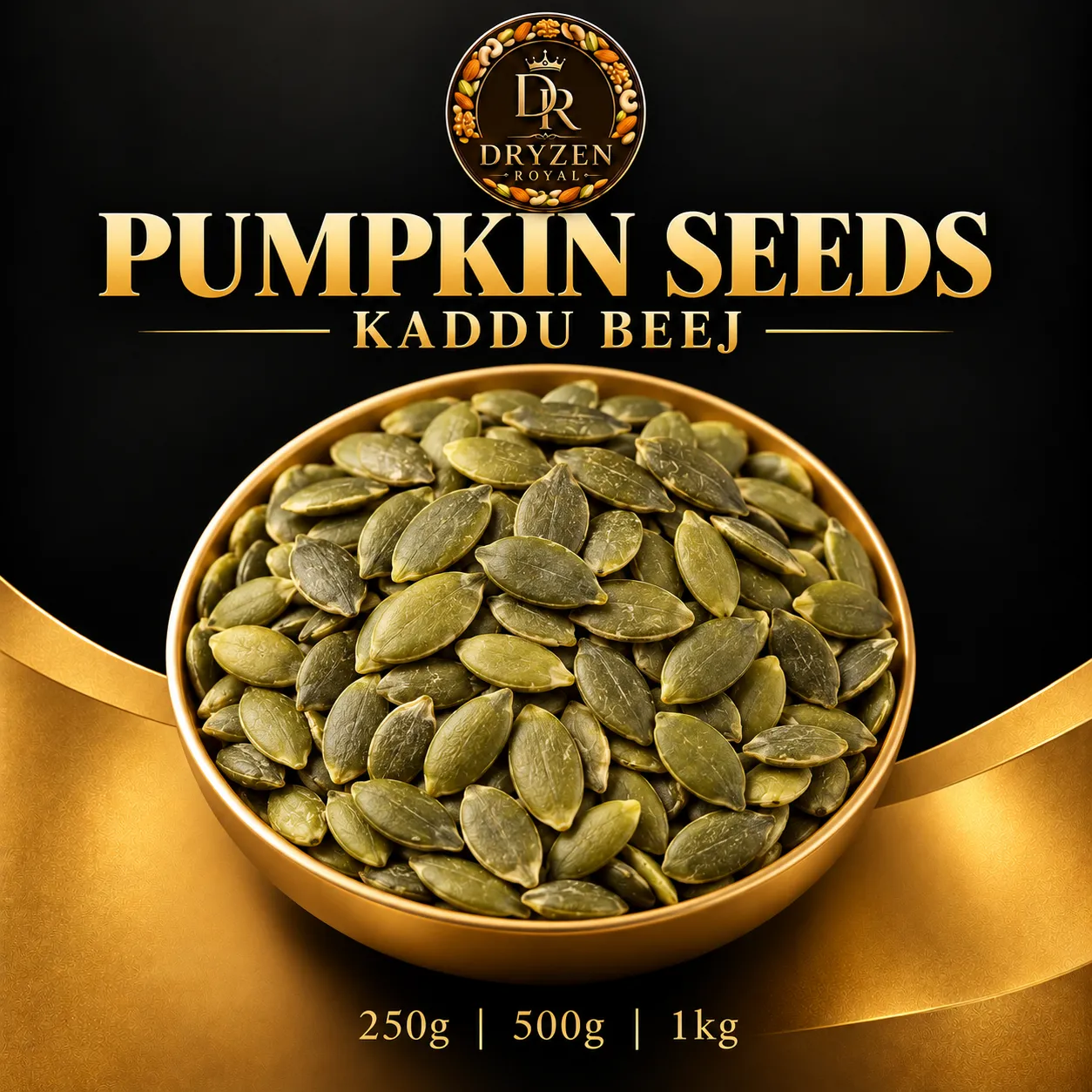
For a cornmeal bowl with a different cooking method, explore pumpkin seed polenta. Use edible kernels versus whole seeds when choosing the topping format.
Explore Pumpkin seeds at Dryzen Royal and check the listed kernel format before planning a savoury rice dish.
Not by this method. Use rice intended for risotto if you want the creamy starch-based texture.
No. Follow grain tenderness and consistency; keep extra hot water available if more liquid is needed.
The reserved topping stays dry and gives contrast against the soft rice.
It thickens as it stands. Serve promptly or choose a rice dish designed for longer holding.
Questions about this article?
Email us and we will get back to you.
Explore more
