- 100% Natural
- Premium Quality
- No Preservatives
- Fresh & Healthy
A small South African-inspired mince bake with raisins and a softly set egg-and-milk surface.
Raisin bobotie is a gently spiced mince bake with small bursts of kishmish and a softly set egg-and-milk topping. This home version is inspired by the South African dish, while keeping the ingredient list manageable for a Pakistani kitchen. It is not presented as the only traditional formula.
The mince filling is cooked before it enters the oven. The final bake heats the assembled dish thoroughly and sets the topping without turning it into a dry omelette. Raisin bobotie works best in a shallow dish, where the surface and centre can finish close together.
Allow twenty-five minutes for preparing the filling and thirty to forty minutes for baking. Use a wide frying pan, bowl and an ovenproof dish around 20 cm square. A food thermometer is useful for checking both the mince stage and the final mixed dish.
Check curry powder ingredients rather than assuming every blend contains the same spices or allergens. Bread, milk and eggs are part of the measured recipe. The raisins may be small, but they remain an ingredient to identify for guests who need the full list.
Tear bread into small pieces and cover with 80 ml milk. Leave for about ten minutes, then mash with a fork. The bread helps bind the mince without creating a heavy flour paste. Do not use mouldy bread or a sweet iced bun as a substitute.
Heat oil in the frying pan and soften onion over medium-low heat for eight to ten minutes. Add garlic briefly, then curry powder and turmeric with a small splash of water if the pan is dry. Stir until aromatic without letting the spices blacken.
Add beef mince and break it into small pieces with the spoon. Cook until no raw clumps remain, stirring and turning so the meat heats evenly. Ground beef should reach 71°C when checked appropriately. Colour alone is not a reliable safety check.
If the mince releases a large amount of liquid, let excess evaporate before adding the bread mixture. The filling should be moist but not swimming in juices. A very wet base can interfere with the egg topping and make the dish difficult to portion.
Fold in mashed milk-soaked bread, raisins and lemon juice. Cook gently for a few minutes, stirring until the mixture holds loosely together. Taste only after the meat is properly cooked, then season with salt and pepper.
If the raisins are exceptionally firm, soften briefly and drain before adding. Soft fruit does not need a long soak. Keep the pieces whole or roughly chopped according to preference, but avoid a large wet fruit purée that changes the filling's structure.
Heat the oven to 180°C conventional or about 160°C fan. Spoon the cooked filling into the shallow dish and level without pressing it into a hard block. Let heavy steam subside for a few minutes while whisking the topping.
Raisin bobotie needs a distinct upper layer, so do not stir the egg mixture into a bubbling hot filling. A little settling time helps the surface remain separate. The filling should still be warm, not left out for a long cooling period.
Whisk two eggs with 180 ml milk and a small pinch of seasoning. Pour slowly over the mince. If using bay leaves, place them on top where they are visible and easy to remove. They are a flavouring, not a leaf intended to be eaten.
Move the dish carefully so the liquid topping does not slosh over the sides. Put it on a flat baking tray if that makes handling easier. Do not fill a dish to the brim; leave enough headroom for slight movement and bubbling.
Bake for thirty to forty minutes, checking from about thirty. The topping should be set with a slight gentle movement rather than liquid milk pooling in the middle. The centre of the assembled casserole should reach 74°C.
If the surface colours early, cover loosely with foil and continue checking the centre. A browned top does not prove the whole dish is hot. A deeper replacement dish needs extra caution because its middle may heat more slowly.
Let the bake stand for five to ten minutes before serving. Remove bay leaves if used. Use a broad spoon or server to lift portions that include both filling and topping. The dish should be moist and spoonable rather than a rigid meat loaf.
Raisin bobotie can be served with plain rice and a cucumber salad. Keep extra chutney or chilli optional so the main flavour remains gently spiced. A sweet side may be less useful if the raisins already provide enough contrast for your table.
Curry blends vary in heat, salt and aroma. Record the product and quantity you used. Do not add several extra sweet ingredients on the first attempt and then judge the original raisin balance. A small measured change is easier to assess next time.
If using a different mince, follow its appropriate safe cooking requirements and expect changes in fat and moisture. Chicken mince, for example, is not simply identical to beef in handling. Use a recipe developed for the chosen meat if you are unsure.
The cooked mince filling can be prepared a day ahead, cooled promptly in shallow storage and refrigerated. Add the fresh topping near baking. A cold filling may need longer in the oven, so check the centre rather than relying on the original time.
Keep raw eggs and their mixing tools separate from ready-to-eat sides. Wash hands and utensils during the transition. Raisin bobotie is easier to organise when the topping bowl, cooked filling and salad tools each have a clear place.
Refrigerate leftovers promptly and use within two days as a conservative household schedule. Reheat covered until thoroughly hot, using 74°C as a useful thermometer target. Add a small splash of water around a portion if it looks dry, not a large amount over the topping.
The egg layer may become firmer after reheating. Do not repeatedly warm the whole dish for separate meals. Portion before storage and label the preparation date so the next meal does not depend on memory.
Raisin bobotie becomes dependable when the mince base is cooked and not watery, the dish stays shallow and the final centre is checked. This mince bake is then a practical way to use kishmish as a savoury accent without turning the whole meal into a sweet dish.
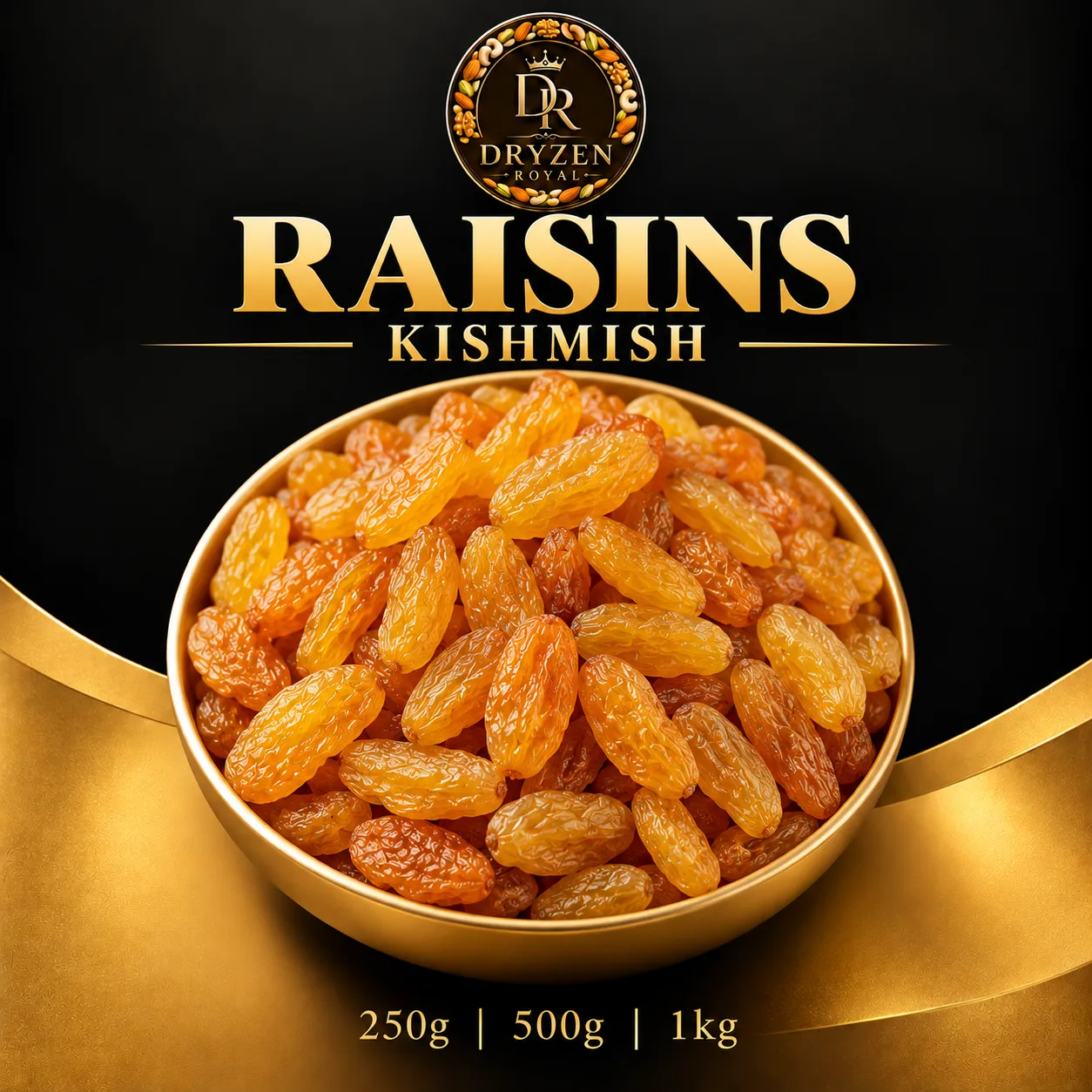
Explore savoury uses for kishmish for the sweet-savoury balance. Use choosing a shallow baking dish before changing the dish's area or depth.
Explore Raisins at Dryzen Royal and choose kishmish for savoury cooking as well as sweet bakes.
No. Cook it properly in the pan before assembling the egg-topped bake.
No. Check the centre; 74°C is a useful target for the assembled mixed dish.
No. Keep them visible and remove them before eating.
Yes. Cool and refrigerate promptly, add the topping near baking and allow for the colder starting temperature.
Questions about this article?
Email us and we will get back to you.
Explore more
