- 100% Natural
- Premium Quality
- No Preservatives
- Fresh & Healthy
Move kishmish beyond desserts with five flexible ideas for rice, chickpeas, vegetables, salads and fillings, plus tips for keeping sweetness balanced.
Using raisins in savoury cooking adds small bursts of sweetness and a chewy texture to dishes that already contain onions, herbs, spices or a sharp dressing. Kishmish does not have to dominate the plate. Start with a little, taste a spoonful of the finished combination, and increase it only if you enjoy the contrast.
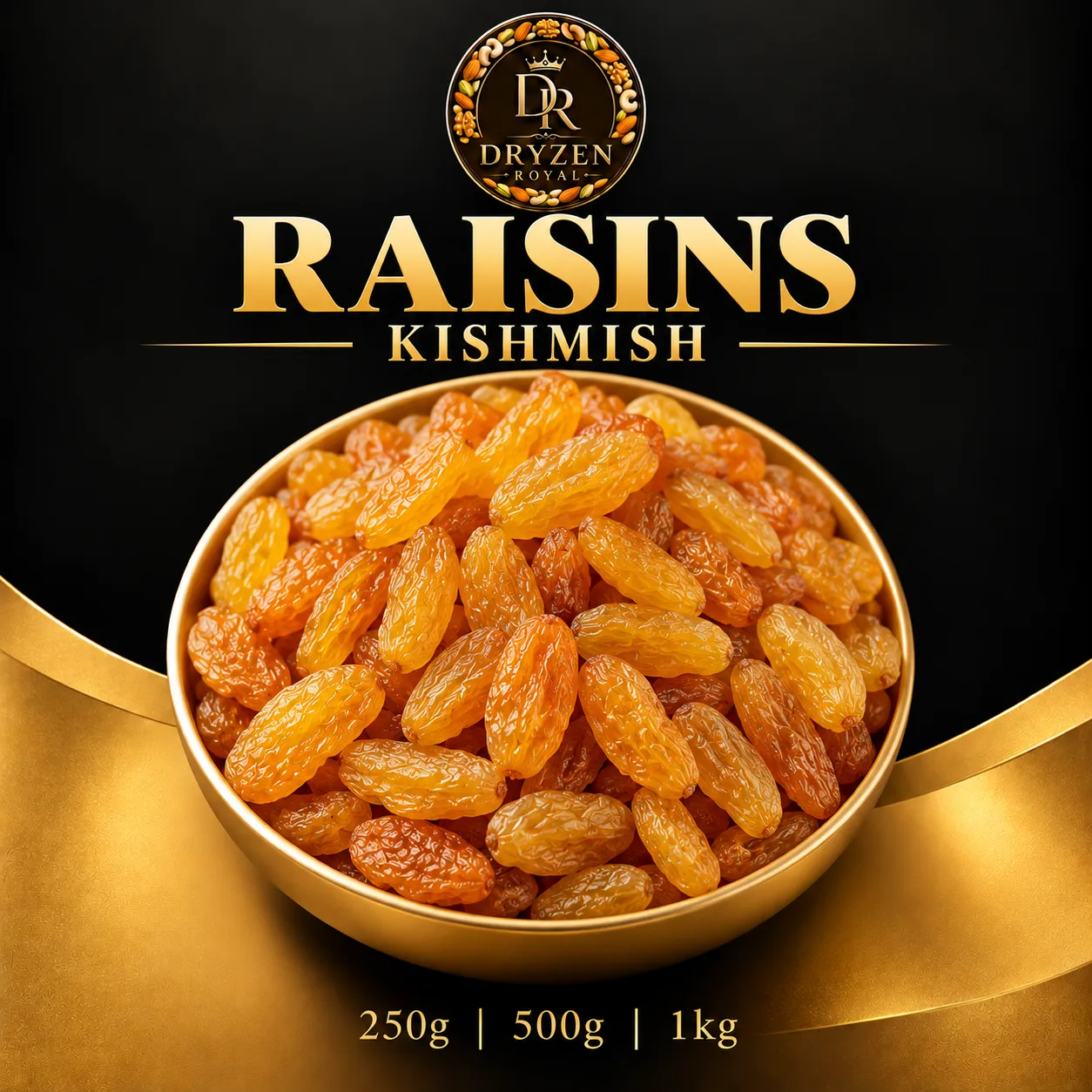
The five ideas below are flexible ways to adapt familiar meals, rather than fixed traditional recipes. Keep your usual cooking method for the main dish, especially its liquid quantities and cooking times, and experiment with the raisin addition separately.
Think of the raisins as one element in a bite. Their sweetness can sit beside lemon, plain yoghurt, herbs, toasted spices or savoury onions. You do not need all these flavours at once. Choose the contrast that already belongs in your dish.
For a first trial, mix a few raisins into a small serving instead of changing the entire pot. This makes it easier to judge whether your family likes the combination. If the food already contains sweet carrots or caramelised onions, you may want fewer raisins.
Check the ingredient list before using a packet. Chocolate-coated or heavily flavoured raisins are a different ingredient from plain kishmish. Colour alone does not tell you everything about taste, processing or added ingredients.
Serve a modest amount alongside cooked rice with browned onions and your preferred nuts. Let diners add the garnish themselves when some enjoy sweet-and-savoury combinations and others prefer plain rice.
If your chosen pulao recipe cooks raisins in the pot, follow its timing. Adding an improvised quantity of soaking water can change how rice cooks, so keep that liquid out unless the recipe accounts for it. A separately prepared garnish is a simple way to experiment while retaining a familiar rice method.
Use the same idea for a lunch bowl with rice and vegetables. Spread the raisins through the bowl rather than leaving a large sweet cluster on top. Taste a spoonful containing all the components before adding more.
Combine cooked chickpeas with chopped cucumber, herbs and a lemon dressing, then try a small scattering of raisins. Chopping larger raisins makes the sweetness more evenly distributed. Add them gradually so the bowl still tastes primarily of chickpeas and vegetables.
If you already use a sweet chutney, taste before adding kishmish. You might prefer one sweet component rather than both. Keep crunchy toppings separate until serving so each person can adjust the texture.
Carrots, cauliflower or a mixed vegetable tray can become a different side dish with herbs and a few raisins added after cooking. This approach lets you assess the vegetables' existing sweetness before deciding how much fruit to use.
For an initial experiment, add the raisins after roasting rather than leaving small pieces exposed to the oven throughout the cooking time. Toss gently and taste. A squeeze of lemon can provide contrast when it suits the rest of the meal.
Thinly sliced cabbage, celery or grated carrot provides a contrasting texture for chewy raisins. Dress a small portion first and taste the balance before mixing the full bowl. Larger raisins can be chopped if you want less sweetness in each mouthful.
For a published example of fruit in a savoury salad, Sun-Maid's celery salad combines celery, dried fruit, pecans and parsley. Treat it as inspiration for the contrast of textures, and follow the complete recipe if you want its particular result.
A small amount of chopped kishmish can be tried in a cooked vegetable or lentil filling for pastries or wraps. Mix and taste the filling before assembly. Keep the pieces small enough to distribute through the portion instead of collecting in one corner.
Follow a complete recipe for cooking and handling the filling. Adding raisins does not replace the steps required for the other ingredients. For pastry, avoid pouring extra soaking liquid into a filling that needs to remain relatively dry.
Dry raisins give a more noticeable chew. Briefly soaking firm raisins in warm water can soften them; drain them before using, particularly in a salad or filling. Use softened raisins as a prepared ingredient for the dish rather than returning them to the original dry packet.
You do not need to soak every pack. Taste and feel a few first, and follow any preparation instructions on the packaging. For baking-specific questions, see our separate dried-fruit baking guide.
Once you know which texture you like, raisins in savoury cooking become easier to use consistently. Keep a note of the amount added to your usual portion and adjust on the next attempt. Explore the Dryzen Royal kishmish listing for current pack options, and check the storage guide for the unused dry fruit.
The result depends on the amount and the other ingredients. Start with a small garnish or test a spoonful before adding raisins to the whole pot.
No. Use them as they are if you enjoy their chew. If they are firmer than you prefer, soften briefly and drain before adding.
Either can work if you like the taste. Check the ingredient list and sample the raisins before deciding how much to add.
Questions about this article?
Email us and we will get back to you.
Explore more
