- 100% Natural
- Premium Quality
- No Preservatives
- Fresh & Healthy
Make raisin potato samosas with a measured cooked filling and simple pastry. Follow cooling, modest filling and sealing cues for small savoury parcels.
Raisin potato samosas combine a modest kishmish quantity with cooked potato, peas and spices inside a simple pastry. The fruit should be distributed in small pockets rather than making the whole filling sweet. Cooling the filling before shaping helps keep the pastry manageable.
This recipe makes about eight small parcels. A first test piece is useful for checking filling quantity and sealing. Bigger samosas need a different cooking assessment, so keep the initial portions modest.
For pastry, use 150g plain flour, 2 tablespoons oil, a small pinch of salt and approximately 60ml water, added gradually.
For filling, prepare 250g cooked peeled potato, 40g cooked peas, 30g raisins, ½ teaspoon cumin, ¼ teaspoon ground coriander, a little chilli if wanted, 1 teaspoon lemon juice and salt to taste.
Use suitable frying oil and a pan with safe headroom. A slotted spoon and a draining rack help keep cooking organised.
Remove stems and separate clumps. If fruit is unusually hard, soften briefly, drain and surface-dry.
Do not add a bowl of soaking water to the filling. Dry preparation matters for a sealed parcel.
Our dried grape guide explains the product names and size differences.
Rub oil and salt through the flour. Add water a little at a time and bring together into a cohesive dough.
Knead briefly until reasonably smooth, then cover and rest for about twenty minutes. It should not be a wet flowing mixture.
Avoid repeated large flour additions while rolling. A dough made very dry for convenience can crack at the seam.
Mash cooled potato roughly rather than blending to sticky puree. Fold in peas, raisins, spices, lemon and salt.
Taste a suitable cooled cooked sample before adjusting. Keep the fruit amount controlled so every mouthful still reads as a savoury filling.
The mixture should mound without releasing water. Cool fully before it meets the pastry.
Divide dough into four portions. Roll each into a thin round or oval and cut in half.
Form a cone from each half, sealing the straight edge with a small amount of water. Add a modest filling portion, leaving space to close.
Press the open edge securely. Avoid trapping a large air pocket or leaving a thin torn area beside a hard filling piece.
Keep shaped parcels covered appropriately while working so the surface does not dry and crack.
If filling spills while sealing, reduce the amount rather than stretching the wrapper until very thin.
Make similar sizes. One oversized final parcel cooks differently from the smaller pieces and makes batch timing less reliable.
Keep unused dough protected instead of leaving it exposed beside the hot pan.
Heat oil to a suitable moderate frying temperature, around 165°C to 170°C as a starting range with a thermometer.
Lower a few parcels carefully and cook until the pastry is golden and fully cooked, turning as needed. Check that the centre is thoroughly hot.
Reduce heat if the outside darkens too quickly. A browned shell does not prove a thick raw pastry seam has cooked.
Drain on a suitable surface. Do not seal a hot batch in a deep container where steam softens the crust.
Offer small portions with chutney or yogurt sauce beside the plate. Keep wet toppings off the reserve.
Our khajoor-imli chutney provides one option. Account for its sweetness alongside the raisins rather than using a large amount automatically.
If the filling tastes too sweet, review fruit quantity before increasing chilli. If the pastry cracks, check dough hydration and resting.
Refrigerate leftovers promptly in suitable packaging at 4°C or below and reheat thoroughly. Texture may change after storage.
Identify wheat and any ingredients in the sauce or filling products. Keep raw pastry tools separate from serving utensils.
Record dough water, parcel size and pan heat for the next attempt. Those details are more useful than changing every spice after one batch.
Prepare and cool the potato before measuring the fruit and dough ingredients. Keep this preparation separate from the unused ingredient packs. Put measured amounts in small bowls so a pause or interruption does not lead to the same ingredient being added twice. Retain the original labels when ingredients are transferred into other containers.
Rest the dough while the cooked filling cools, then arrange a dry shaping area. Check the equipment and available space before starting the stage that needs continuous attention. A short written order of tasks can prevent a cooked component waiting unnecessarily while another is still being prepared. Use the stated texture cues alongside the clock.
Cook one small parcel to check seam closure and centre heat before filling the pan. Make the smallest practical adjustment, combine it fully and reassess before adding more. Keep a note of the quantity actually used and the preparation of the source product. This gives the next batch a clear reference instead of several simultaneous changes.
Serve sauce separately and keep cooked reserves out of a deep steamy pile. Separate the working amount from the untouched reserve and choose packaging that suits the prepared food. A dry ingredient and a dish made from it can have different storage requirements. Keep serving utensils clean and ingredient information accessible to anyone sharing.
Compare the first filled piece with the remaining dough portions before wrapping all of them. If it needs a very stretched seam to close, reduce the filling amount.
Record dough water and the number of parcels. Similar sizes make the centre check more transferable than a tray containing several different thicknesses and one oversized leftover piece.
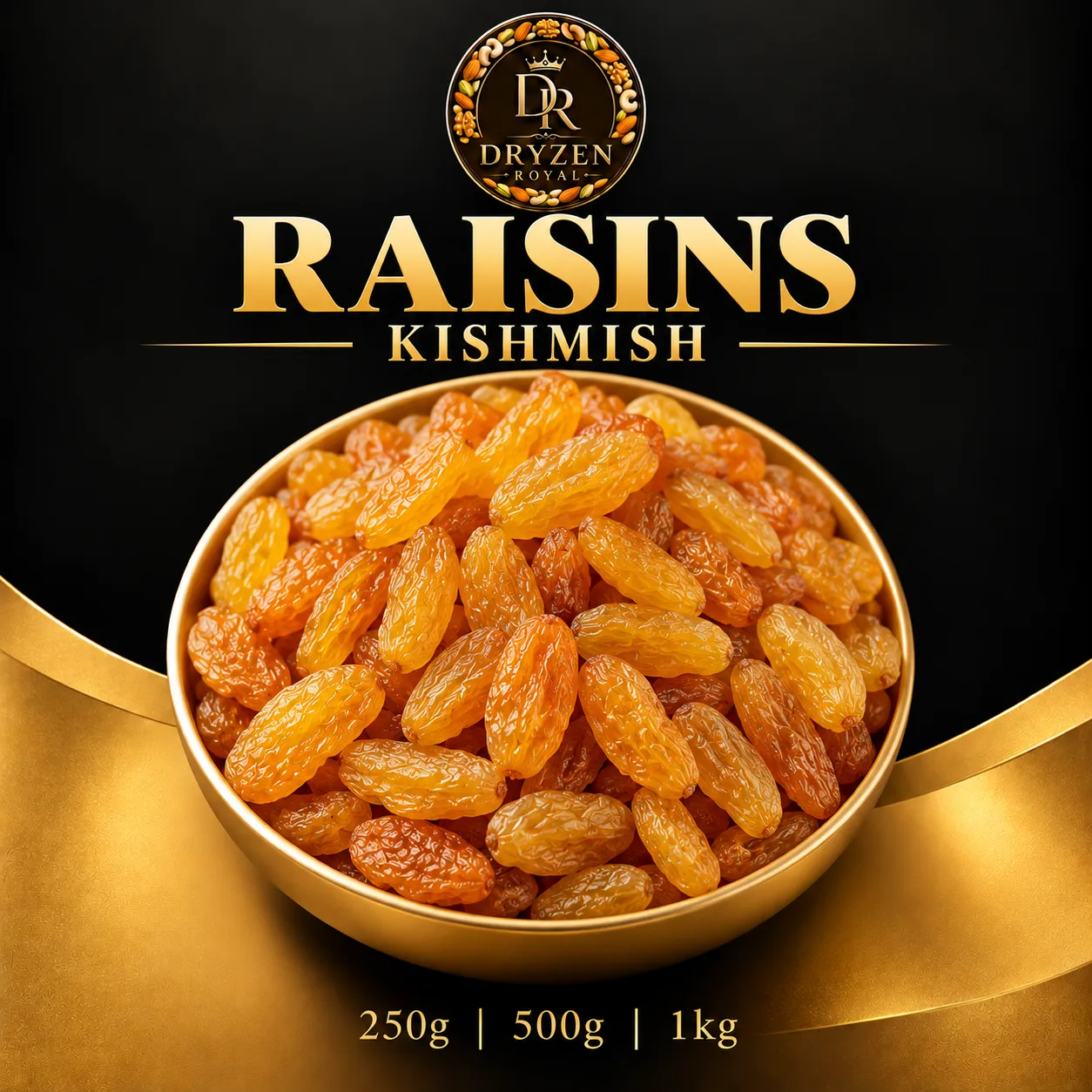
For ingredients for raisin potato samosas, view Premium Raisins (Kishmish). Review the current product details and choose a pack that fits your cooking or gifting plans.
Cool it first so steam does not soften the pastry.
Use the measured amount so the filling remains savoury.
Follow its own handling and cooking instructions; different pastry is not identical.
Do not taste uncooked flour mixture. Assess a small fully cooked test piece.
Questions about this article?
Email us and we will get back to you.
Explore more
