- 100% Natural
- Premium Quality
- No Preservatives
- Fresh & Healthy
A small sweet-rice pot with raisins and cardamom, cooked for separate grains rather than a milk-pudding texture.
Raisin zarda is a sweet rice dish in which basmati grains remain recognisable and kishmish gives small fruit bursts. It is not a milk pudding, and the final pot should not contain a deep pool of liquid. This version keeps the batch modest and the ingredients straightforward for a home kitchen.
The two important stages are partly cooking the rice and finishing it gently with a measured sugar mixture. Overcooking before draining makes the final grains fragile. Raisin zarda becomes easier to repeat when the rice brand, parboiling point and final resting stage are recorded rather than guessed.
Allow about forty-five minutes including preparation and a short rest. Use a saucepan for parboiling, a sieve and a heavy pot with a close-fitting lid. A broad spoon helps lift grains without crushing them.
This measured version does not require artificial colour or a large selection of sweets on top. If you add a garnish, identify its ingredients and account for nuts or dairy. Ghee or butter also changes the allergen picture compared with a plain rice-and-raisin mixture.
Rinse basmati and soak only as its packet or your tested method recommends. Drain before parboiling. Different rice ages and brands absorb water differently, so one fixed minute count cannot describe every pack.
Bring plenty of water to a boil with a small pinch of salt. Add rice and cook until the outside is softened but the centre still has a little firmness, often around five to seven minutes after boiling resumes. Taste a cooled grain rather than relying only on appearance.
Drain promptly and spread gently in the sieve so steam can escape. Do not leave the rice sitting in hot water while making syrup. It will continue softening and can become too fragile for the final stage.
The grains should bend with some resistance, not remain hard and chalky or collapse into paste. A first small batch is useful for learning your rice. Raisin zarda needs enough firmness to finish in the pot without breaking during the lifting and mixing.
Remove stems or debris from raisins. If very dry, soften briefly in warm water and drain well. Soft raisins can be used directly. Do not add unmeasured soaking water to the sugar mixture.
Keep optional chopped nuts separate and dry until their planned stage. Whole hard pieces can be less convenient in a spoonful of sweet rice, so a small chop usually distributes more evenly. The raisins remain the main fruit in this version.
Put ghee or butter in the heavy pot over low heat and add cardamom pods if using. Warm briefly, then add the measured 60 ml water and sugar. Stir until dissolved and gently bubbling.
This is not a dark caramel stage. Do not boil until the mixture becomes a hard candy syrup. The purpose is to distribute sweetness through rice while providing a small amount of finishing moisture. Keep heat gentle and watch the base.
Add drained rice and raisins to the sugar mixture. Lift and fold with a broad spoon until reasonably distributed. Add optional zest. Avoid repeated vigorous stirring, which breaks grains and can make the dish sticky.
Cover and cook over very low heat for ten to fifteen minutes. Check the rice near the end. If grains remain firm and the pot is dry, add a tablespoon of hot water around the sides, cover and continue gently. Do not pour a large cup over the surface.
Once rice is tender and no deep liquid pool remains, turn off the heat and leave covered for ten minutes. This lets moisture distribute and makes the grains easier to lift. A short rest is part of the method, not wasted time.
Raisin zarda may look slightly moist when the heat stops and settle during the rest. Cooking until absolutely dry over a strong flame can scorch sugar at the base. Keep the finish soft enough to eat without a brittle sugary crust.
Open the lid away from your face and remove cardamom pods where practical before serving. Lift from the base with a broad spoon so raisins are not left only at the top. Divide optional nuts evenly if using them.
Serve raisin zarda warm in modest portions as part of a meal or celebration table. Plain tea can accompany it later. A thick sweet sauce is unnecessary for the measured version and changes the grain texture.
If you want a milk-rich spoon dessert, choose a rice-pudding recipe. Adding a jug of milk to this finished pot creates a different dish and changes sweetness and cooking needs. If you want a savoury side, a pilaf method has a different onion-and-stock balance.
This sweet rice is defined here by separate sweet grains and a restrained fruit finish. That clear target helps you judge the result without expecting it to behave like every rice dish at once.
Wet clumps may reflect over-parboiling or too much finishing liquid. Firm grains may need a little more hot water and covered time. Broken grains can follow aggressive stirring or a rice variety that was already too soft before layering.
Do not add more ghee to solve every dry result. Fat changes richness, while a hard centre needs moisture and time. Likewise, extra sugar will not repair a burnt base. Identify the actual issue and make one measured adjustment next time.
Doubling in the same narrow pot creates a deeper layer that heats differently. Use suitable wider cookware or two small batches if you want similar behaviour. A large guest pot deserves a test before an important event.
Record rice quantity, pot diameter, drained cooking time and any final water addition. Those details are more useful than claiming a universal fifteen-minute finish for all kitchens.
Serve soon after cooking or keep appropriately hot. Do not leave a large pot lukewarm for hours. Divide leftovers into shallow containers and refrigerate promptly using safe household practice.
For a conservative rice plan, use refrigerated leftovers within twenty-four hours and reheat only once. Heat until steaming hot throughout, using 74°C as a useful thermometer target. A small splash of water can help during reheating without returning the dish to a wet pudding.
Raisin zarda becomes dependable when the first rice stage stops early enough, sugar is dissolved without caramelising and the final pot rests before serving. The rice pot rewards those controlled stages more than extra colour or an overloaded garnish.
For an onion-led savoury side, explore savoury raisin rice pilaf. For a spoonable milk dessert with a different texture, see milk-based raisin rice pudding.
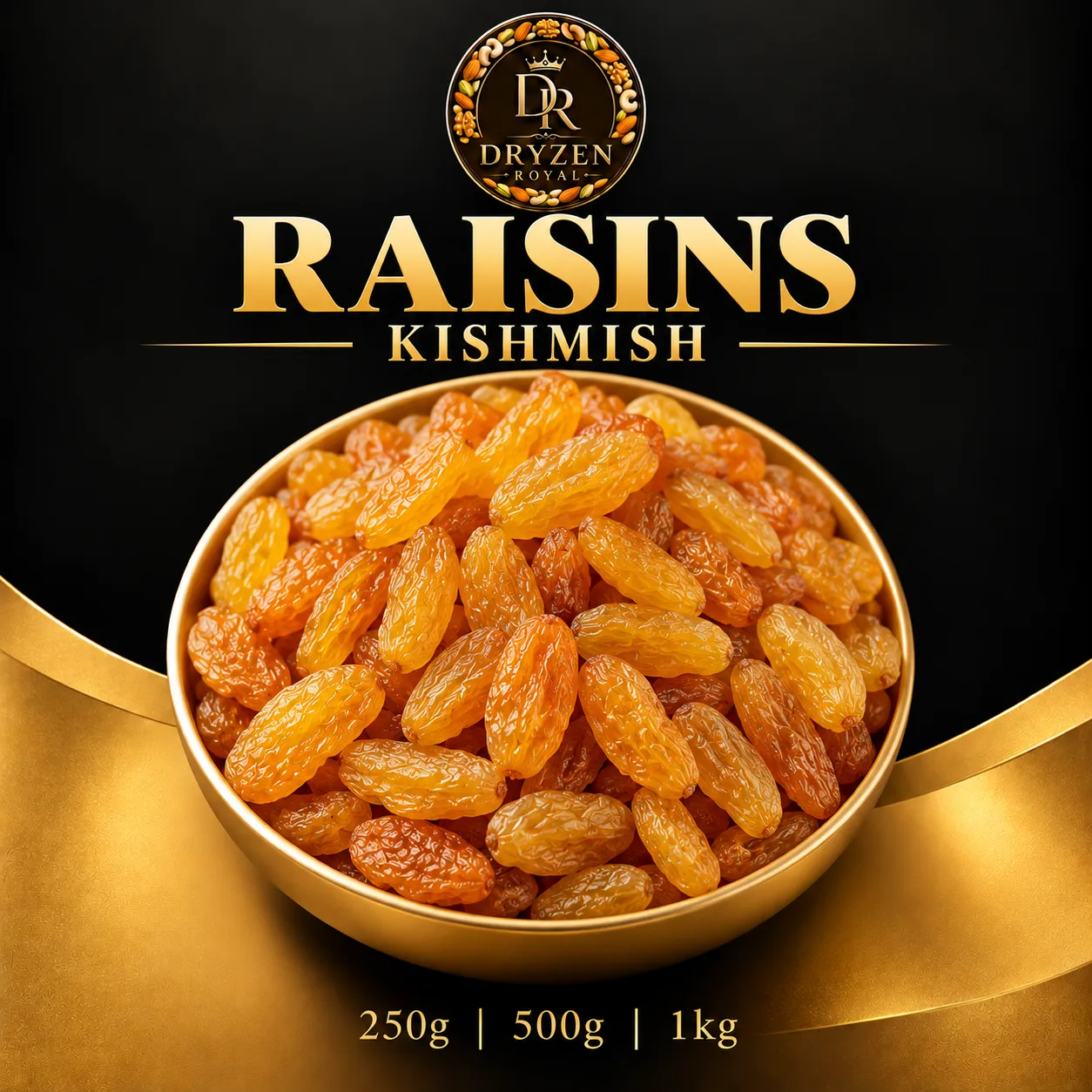
Explore Raisins at Dryzen Royal and choose kishmish for a measured sweet-rice batch.
No. It is a separate-grain sweet rice dish, not a milk pudding.
No. Leave a little firmness so the final covered stage can finish it without breaking the grains.
A hard centre needs controlled moisture and time; extra fat does not replace that.
Cool promptly in shallow portions, refrigerate and use within twenty-four hours as a conservative plan, reheating only once.
Questions about this article?
Email us and we will get back to you.
Explore more
