- 100% Natural
- Premium Quality
- No Preservatives
- Fresh & Healthy
Cook raisin rice pilaf with measured basmati, kishmish and onions. Follow draining, simmering and resting cues for a savoury side with small sweet accents.
Raisin rice pilaf is a savoury basmati side with softened onion and small pockets of kishmish. The fruit is measured rather than added until the rice becomes sweet. A gentle simmer and a covered rest help the grains stay distinct.
This method makes about four side portions. Rice brands and soaking methods differ, so the liquid quantity below is a starting reference alongside your pack guidance. Do not assume one water ratio suits every variety.
Allow twenty minutes for preparation and approximately twenty minutes of cooking and resting.
Use plain rice rather than a pre-seasoned packet. Retain the product instructions so preparation remains consistent.
Rinse rice as appropriate to the product. If soaking, drain thoroughly and account for its effect according to the rice method you normally use.
Check raisins for stems and clumps. Very hard fruit can be softened briefly and drained; do not add unmeasured soaking liquid.
Our dried grape guide explains common differences. Smaller pieces distribute sweetness more evenly.
Warm oil or ghee in a heavy lidded saucepan. Add cumin and optional cinnamon briefly, then onion.
Cook over moderate heat until softened and lightly golden. Stir enough to avoid dark bitter patches.
A heavily burnt onion is not repaired by more raisins. Keep the base pleasant before adding rice.
Add rice and stir briefly to coat with the onion mixture. Avoid aggressive scraping that breaks grains.
Add raisins, measured water and the initial salt. Stir once to distribute, then bring to the cooking stage recommended for your rice.
The pan should have room above the mixture. An overfilled small pot can boil over or cook unevenly.
Cover and reduce heat so the liquid simmers quietly. Avoid repeatedly opening and stirring while the grains absorb water.
Start checking near the expected time for your rice. If liquid is gone but the grain remains firm, add a small measured splash of hot water and continue gently.
If too wet, follow a suitable brief uncovered finish rather than stirring vigorously into a sticky mass.
When cooked, remove from heat and leave covered for around ten minutes. The rest is part of the method, not a serving delay to skip automatically.
Use a fork or broad utensil to lift gently from the base. Distribute the onion and fruit without crushing the grains.
Remove any whole cinnamon piece before serving or make its presence clear. A hard spice fragment should not be mistaken for an edible garnish.
For another rice side with nuts, our almond rice recipe has a different topping approach.
Serve modest portions beside vegetables or a main dish. The side should support the plate rather than compete with several strong sauces.
If too sweet, reduce the fruit on a later trial. If flat, assess salt with the complete meal before adding more spice.
If rice is sticky, review washing, soaking, water and stirring. Increasing heat at the end does not reliably restore broken grains.
Record the rice brand and actual water used. Those observations make the recipe more repeatable than copying another kitchen's exact minute count.
Transfer leftovers into suitable shallow containers and refrigerate promptly at 4°C or below. Reheat only the portion needed until thoroughly hot.
Do not leave a deep warm pot on the counter through a long gathering. A little lemon or seasoning does not make mishandled rice safe.
Identify ghee or other optional ingredients when sharing. Keep dry kishmish separate from wet rice utensils.
Measure rice and raisins separately and keep any soaking water out of the cooking measurement. Keep this preparation separate from the unused ingredient packs. Put measured amounts in small bowls so a pause or interruption does not lead to the same ingredient being added twice. Retain the original labels when ingredients are transferred into other containers.
Prepare the onion base while the rice drains, then have the lid ready before simmering. Check the equipment and available space before starting the stage that needs continuous attention. A short written order of tasks can prevent a cooked component waiting unnecessarily while another is still being prepared. Use the stated texture cues alongside the clock.
Check grain tenderness and liquid absorption without repeatedly stirring the pot. Make the smallest practical adjustment, combine it fully and reassess before adding more. Keep a note of the quantity actually used and the preparation of the source product. This gives the next batch a clear reference instead of several simultaneous changes.
Serve the working amount and cool leftover rice promptly in suitable shallow containers. Separate the working amount from the untouched reserve and choose packaging that suits the prepared food. A dry ingredient and a dish made from it can have different storage requirements. Keep serving utensils clean and ingredient information accessible to anyone sharing.
Write down the rice brand, soaking choice and water actually added. A later pack can behave differently, so the record is a starting reference rather than a universal rule. Keep the covered-rest stage in the notes as well.
For a larger table, use a pan with suitable width and headroom. Simply doubling a recipe in the original small pot changes depth and steam movement. Prepare a manageable test batch before relying on a new quantity for guests.
Keep serving utensils dry and separate from the fruit pack.
Check that the lid fits the chosen pan before cooking. Escaping steam can change the liquid behaviour and make the written timing less useful.
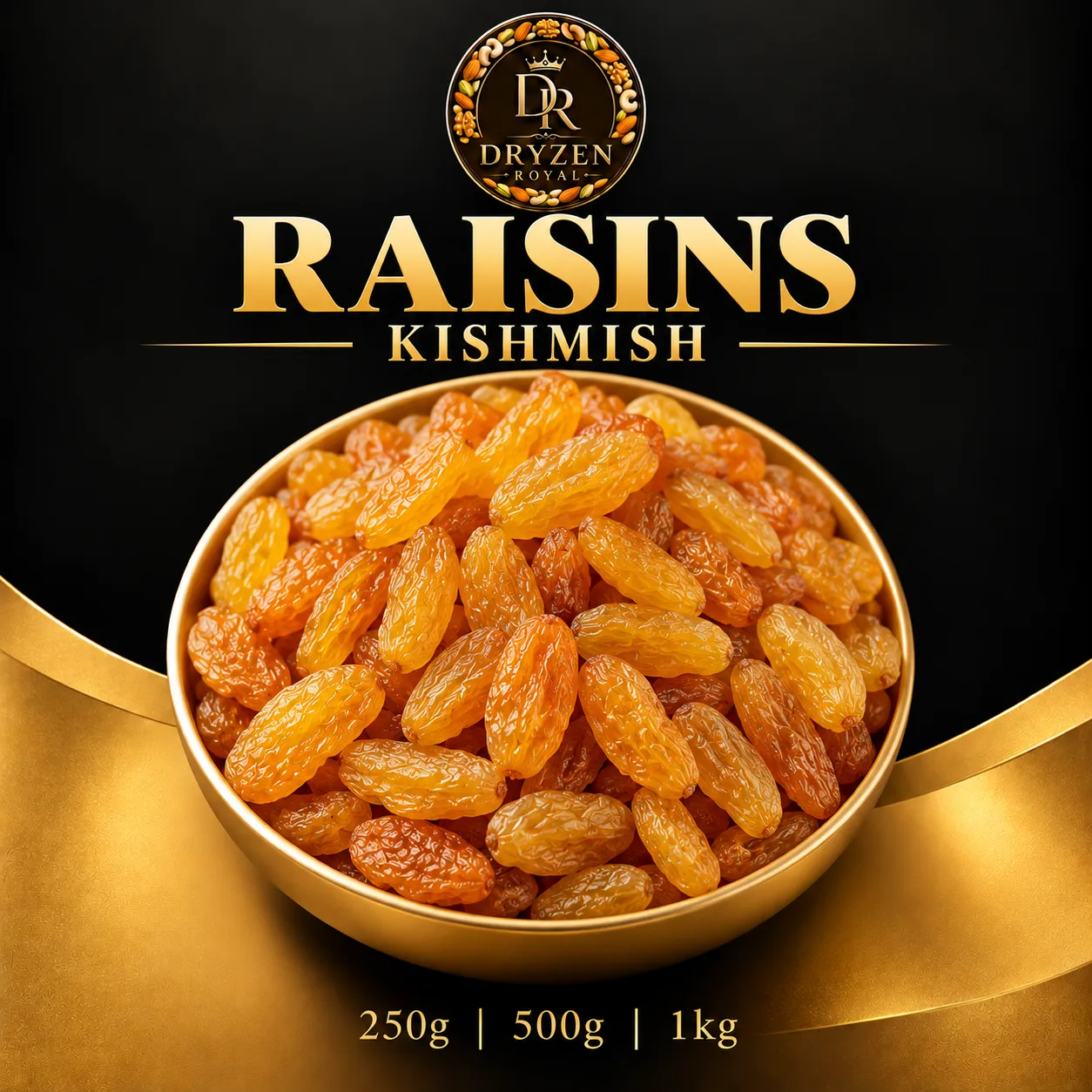
For ingredients for raisin rice pilaf, view Premium Raisins (Kishmish). Review the current product details and choose a pack that fits your cooking or gifting plans.
Start with the stated amount so the side remains savoury and balanced.
No. Use your rice instructions and adjust for its preparation and soaking.
A covered rest helps moisture settle before gentle fluffing.
Cool and refrigerate leftovers promptly rather than leaving rice at room temperature.
Questions about this article?
Email us and we will get back to you.
Explore more
