- 100% Natural
- Premium Quality
- No Preservatives
- Fresh & Healthy
A small-batch seed candy with clear caramel stages, heat-safety precautions and storage guidance for humid weather.
Sunflower seed brittle is a thin sugar candy scattered with edible seed kernels. It breaks into irregular pieces once cool and can be served as a small sweet alongside tea. The ingredient list is short, but the process needs attention because caramel changes quickly and remains dangerously hot after the heat is switched off.
This recipe is intended for an adult cook who can prepare the equipment before starting and keep children and pets away from the work area. A suitable sugar thermometer makes the cooking stage easier to judge. Do not begin if you cannot pour the hot mixture safely onto a prepared heatproof surface.
The batch makes roughly 250g of candy before handling losses. Allow around 15 minutes for setup and cooking, followed by complete cooling. Final timing varies with your pan and hob, so temperature and colour matter more than a fixed number of minutes.
You will need a heavy saucepan with enough depth for bubbling, a sugar thermometer suitable for high temperatures, a heatproof spoon and a metal baking tray lined with a baking-grade silicone mat. Check the mat’s temperature rating. Do not pour caramel onto ordinary plastic, waxed paper or an unprotected countertop.
Set the lined tray on a stable heatproof surface close to the hob. Keep the route between the pan and tray clear. Put the butter, salt and kernels in small dishes so you will not need to weigh ingredients while the caramel is ready.
Choose plain shelled kernels. Hard sunflower shells are not the ingredient required here. Inspect for shell fragments and check the label for seasoning, because salted or flavoured seeds can alter the balance noticeably.
If the kernels are raw, warm them gently in a dry frying pan, stirring often, until they smell lightly toasted. Transfer them to a bowl before they become dark. They will meet very hot syrup later, so this step should not take them to a deep roast.
If the seeds are already roasted, avoid repeating a full toasting stage. A brief gentle warming may be enough to take off a refrigerator chill. Dry kernels are important; never add wet seeds to hot caramel.
For information about the ingredient itself, see our sunflower seed guide. This recipe uses them in a sugar confection, so the finished candy should not inherit broad claims about the plain ingredient.
Put the sugar, water and lemon juice in the saucepan. Heat gently, stirring only at the beginning to help dissolve the sugar. Once the mixture is clear and reaches a steady boil, stop stirring with the spoon.
If you see crystals on the sides, avoid scraping them back into the syrup. A clean damp pastry brush can wash down the sides carefully before the syrup becomes deeply coloured. Do not splash water into an already very hot caramel.
Position the thermometer so its tip measures the syrup without touching the base, following its instructions. Keep watching the pan. A phone call or another cooking task can be enough time for light caramel to become burnt.
The small lemon addition helps discourage crystallisation, but it is not a guarantee that any handling method will work. Clean equipment, dissolved sugar and avoiding unnecessary stirring remain important. Do not increase the lemon freely, because that changes the formula and flavour.
Use white granulated sugar for the first batch so the changing colour is easier to read. Brown sugar has its own colour and moisture characteristics and should not be treated as an identical substitution in a recipe built around clear visual stages.
Continue boiling until the syrup reaches approximately 150°C to 152°C and shows a light amber colour. Watch closely near the end. Temperature readings can lag if the probe is poorly placed, so do not ignore darkening or a burnt smell simply to reach a number.
Remove the pan from the heat and carefully stir in the dry warmed kernels, butter and salt. The mixture may bubble. Use a long-handled heatproof utensil, keep your hands away from the steam and work promptly without vigorous splashing.
Pour onto the prepared silicone-lined tray. If needed, use the heatproof utensil to spread it gently into a thin layer while keeping fingers well away. Do not try to stretch hot candy by hand or touch a drop to test whether it is ready.
Leave the tray undisturbed on its protected surface. The candy may look set before the centre has lost its heat. Do not move it to an unprotected table or place it where someone could mistake it for a cool snack.
Once completely cold and hard, lift it from the mat and break it into manageable pieces. Avoid very sharp, oversized shards for serving. Keep crumbs and larger pieces separate if you want an even presentation in a small gift bag.
If the syrup turns grainy before pouring, sugar crystals may have spread through it. For a first attempt, it is often better to stop and reassess the process than to improvise around very hot sugar. Check the pan’s cleanliness and avoid scraping crystallised sides into a future batch.
If the finished candy bends rather than snaps, the syrup may not have reached the required stage. If it was initially crisp but later sticky, humidity may be involved. These are different problems: a longer initial cook cannot prevent all moisture absorption during storage.
If your sunflower seed brittle tastes bitter, consider whether the syrup or seeds became too dark. Adding more salt afterwards will not remove burnt flavour. Start with smaller batches while learning how your equipment behaves near the end of cooking.
Store fully cooled pieces in an airtight food-safe container, separating layers with suitable baking paper. Keep away from steam and warm windows. In humid weather, portion the candy for serving rather than leaving the whole supply in an open bowl.
The butter introduces dairy, and the seed packaging may carry additional ingredient or handling information. Keep a clear ingredient note with a homemade gift. Do not assume a seed-based candy is automatically suitable for every person with a food allergy.
Keep the raw seed reserve separate from the finished candy. If serving alongside refrigerated desserts, follow the FDA’s storage advice for those perishable foods; its recommended refrigerator temperature is 4°C or below.
Offer a few small pieces of sunflower seed brittle beside unsweetened tea or coffee rather than treating brittle as the main snack bowl. It can add crunch to a dessert plate, but place it shortly before serving so wet components do not soften it immediately.
For broader packaging choices, our dry-fruit gift-packing guide covers practical presentation considerations. A homemade confection still needs its own accurate ingredient note and handling plan.
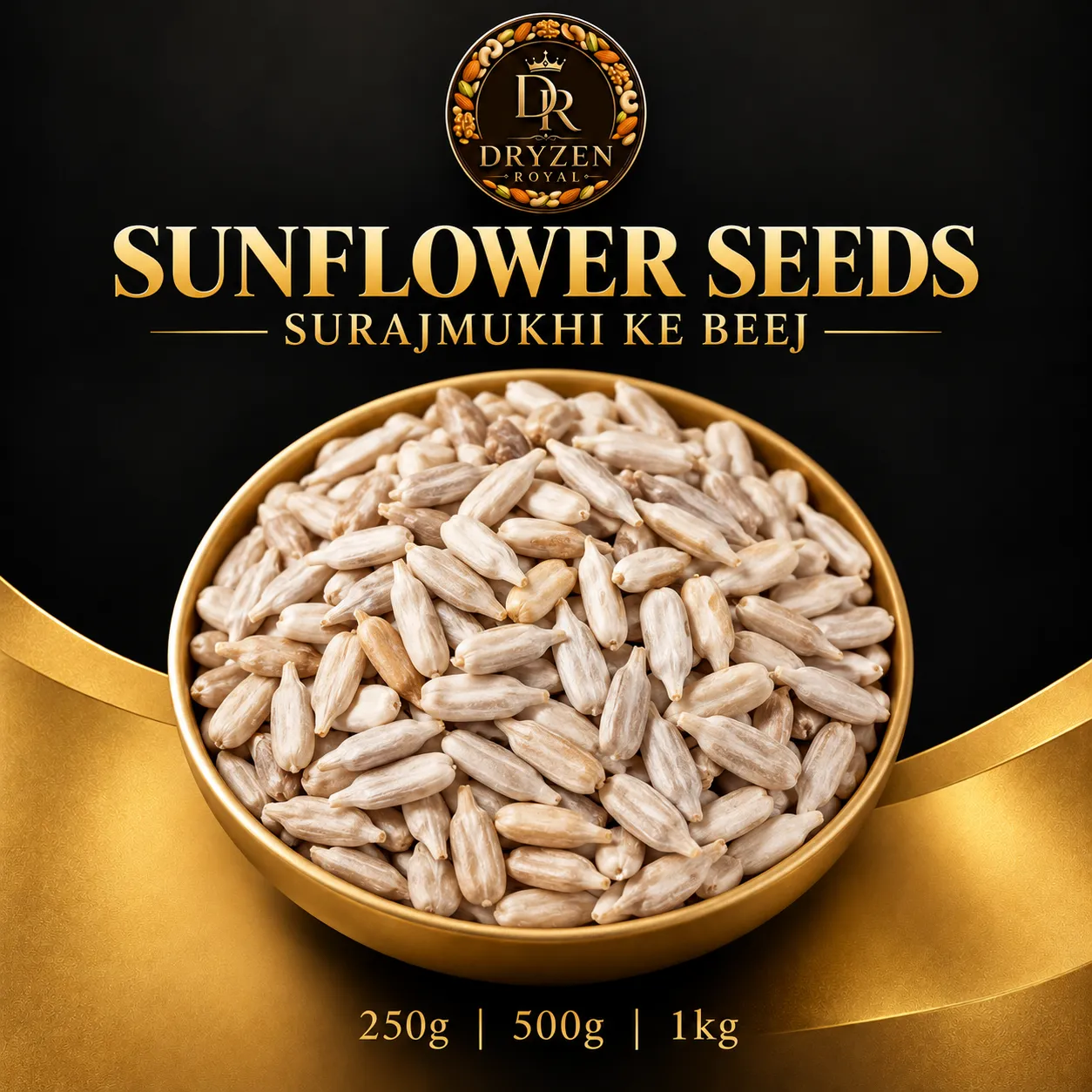
Explore Dryzen Royal Sunflower Seeds when preparing sunflower seed brittle. Confirm that the current product provides the edible kernel preparation you need, and buy a quantity that fits your cooking plans.
No. Use edible shelled kernels, checking for shell fragments before they go into the caramel.
The syrup may not have reached the required stage, or the cooled candy may have absorbed humidity. Use a thermometer and airtight storage.
No. Hot sugar can cause serious burns. Use a suitable thermometer and keep hands away from the syrup.
No. Sugar forms the candy structure in this recipe. Describe it accurately as a sweet treat rather than making a health claim.
Questions about this article?
Email us and we will get back to you.
Explore more
