- 100% Natural
- Premium Quality
- No Preservatives
- Fresh & Healthy
Make sunflower seed roasted cauliflower with measured florets, oil and a light topping. Follow drying, tray spacing and finishing cues for a savoury side.
Sunflower seed roasted cauliflower pairs tender florets with a small dry kernel topping. The cauliflower needs room and a reasonably dry surface to develop crisp edges. The seeds cook much faster, so they should not be left on the tray through the whole vegetable roast.
This recipe makes three side portions. Choose a broad metal tray rather than a deep crowded dish. The goal is cooked stems and browned edges, not black tips around a raw middle.
Allow fifteen minutes for preparation and around twenty-five to thirty-five minutes for roasting.
Use the prepared vegetable weight after removing unsuitable leaves and hard material. Check the seed preparation before seasoning.
Wash cauliflower appropriately and dry well. Cut into similar pieces, keeping thick stems small enough to cook at the same rate as the tops.
Very large florets can colour outside before the centre softens. Tiny fragments may burn early, so keep them for another use or monitor separately.
Do not pour wash water onto the tray with the vegetable. Extra liquid changes the cooking environment.
Heat the oven to 210°C conventional or around 190°C fan. Toss florets with measured oil, cumin, optional paprika and initial seasoning.
The surface should be lightly coated, not sit in a pool. Spread in one layer with space between pieces.
If the tray is too small, use two suitable trays and account for oven airflow. A deep pile is not equivalent to one broad layer.
Inspect shelled seeds and toast gently in a dry pan if raw. Transfer out once lightly fragrant and cool.
Our sunflower ingredient guide explains preparation. Strongly seasoned kernels change the final flavour.
Already roasted kernels may need no extra heat. Avoid darkening them simply to match the vegetable timing.
Turn florets once during cooking and check near twenty-five minutes. Thick stems should be tender enough for the intended serving.
If tips darken too quickly, lower direct heat or adjust shelf position. Do not assume more oil solves uneven piece size.
A skewer or fork can help assess a cooled test piece. Surface colour is only one cue.
Transfer to a serving plate and scatter the prepared kernels. Add a little lemon, taste and adjust modestly.
A wet sauce can be served separately. Pouring it over the whole tray immediately removes some surface contrast.
For another kernel vegetable side, our sunflower coleslaw uses a cold dressed bowl and a different timing plan.
Record prepared floret size, tray dimensions and actual roasting time. A different cauliflower can have thicker stems even at the same total weight.
If the result steams rather than browns, review drying and spacing before increasing temperature dramatically.
If the topping tastes bitter, check whether the seeds were scorched or unsuitable before use. Lemon does not remove a burnt flavour.
Cool reserve vegetables promptly in suitable containers and refrigerate at 4°C or below. Reheat thoroughly, accepting that stored edges may be softer.
Keep dry seed reserves separate from wet sauce and vegetable utensils. Identify any additional ingredients in seasonings or accompaniments.
For a larger meal, prepare manageable batches rather than one overfilled dish. Clear spacing and a consistent cut are more reliable than multiplying oven minutes.
Cut sound cauliflower into similar florets and dry the washed surfaces before coating. Keep this preparation separate from the unused ingredient packs. Put measured amounts in small bowls so a pause or interruption does not lead to the same ingredient being added twice. Retain the original labels when ingredients are transferred into other containers.
Prepare a separate measured seed topping while the vegetable roasts. Check the equipment and available space before starting the stage that needs continuous attention. A short written order of tasks can prevent a cooked component waiting unnecessarily while another is still being prepared. Use the stated texture cues alongside the clock.
Check both thick stems and browned edges before taking the tray out. Make the smallest practical adjustment, combine it fully and reassess before adding more. Keep a note of the quantity actually used and the preparation of the source product. This gives the next batch a clear reference instead of several simultaneous changes.
Serve a working amount promptly and keep wet sauces beside the plate. Separate the working amount from the untouched reserve and choose packaging that suits the prepared food. A dry ingredient and a dish made from it can have different storage requirements. Keep serving utensils clean and ingredient information accessible to anyone sharing.
Before seasoning, compare the thickest stem pieces with the smallest tops. Cut large stems a little smaller so they have a realistic chance of finishing alongside the rest. A wide range of sizes makes one oven time less useful.
After roasting, assess one central floret and one from the tray edge. Uneven heat can explain a difference that would otherwise be blamed on the oil or spice quantity.
For a larger meal, rotate suitable trays only when appropriate for the oven and leave enough airflow. Crowding all the vegetables onto one shelf can change the cooking environment.
Set the seed bowl and serving plate ready before the tray comes out. A brief finishing step preserves the contrast better than leaving roasted vegetables waiting while garnish is still being prepared.
Choose a broad serving utensil that lifts tender florets without crushing them, and keep any wet sauce separate until eating.
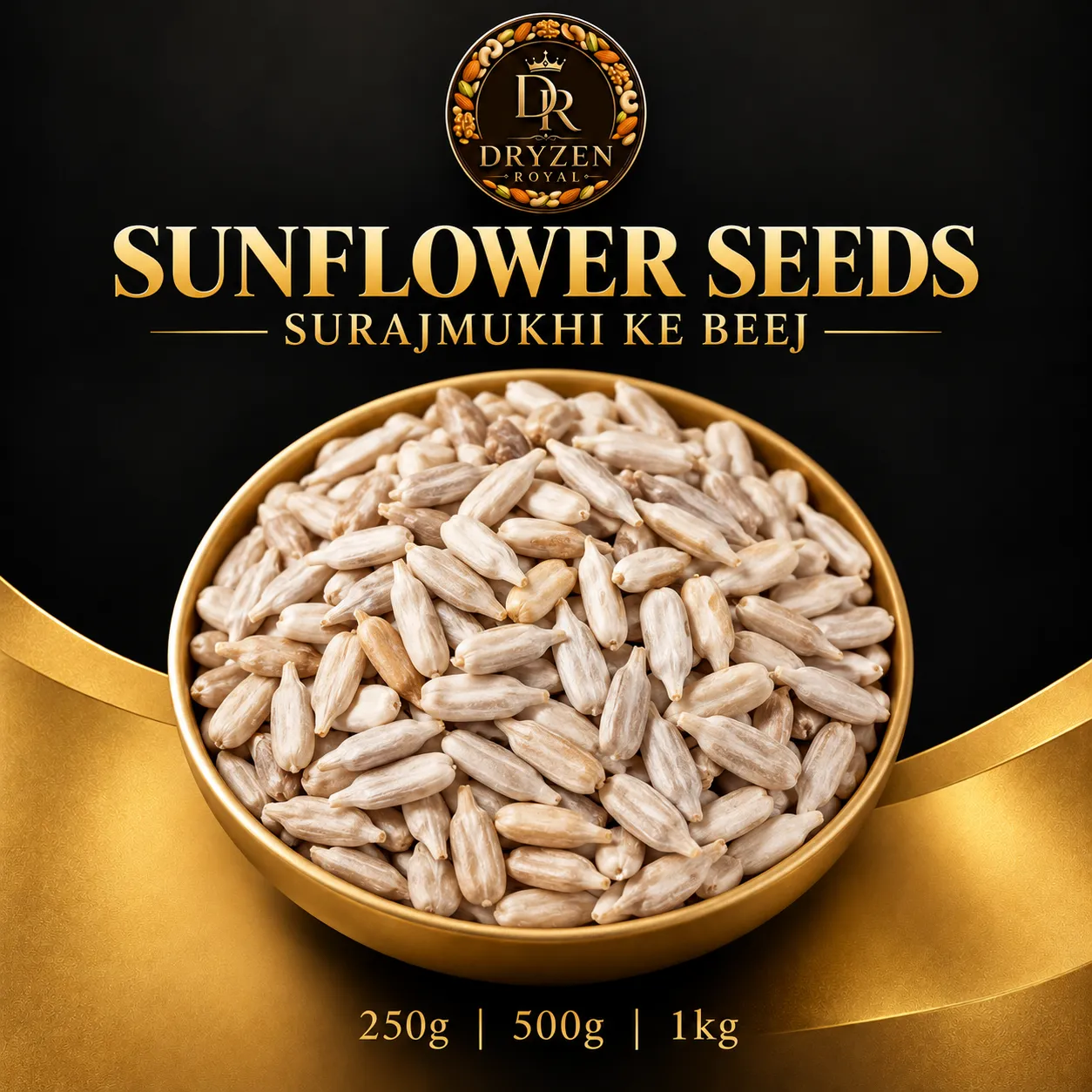
For ingredients for sunflower seed roasted cauliflower, view Sunflower Seeds. Review the current product details and choose a pack that fits your cooking or gifting plans.
Dry washed surfaces well so excess water does not encourage steaming.
Add or prepare them separately so small kernels do not scorch before the florets finish.
Crowding changes moisture release and browning. Use suitable space or separate batches.
Use edible shelled kernels and inspect for fragments.
Questions about this article?
Email us and we will get back to you.
Explore more
