- 100% Natural
- Premium Quality
- No Preservatives
- Fresh & Healthy
Chocolate brownies with chopped akhrot, a fudgy centre and practical cues for baking, cooling and cutting.
Walnut brownies combine a soft chocolate centre with the satisfying bite of chopped akhrot. They suit a relaxed family dessert, a small celebration tray or a square alongside evening tea. The difference between a fudgy batch and a dry one often comes down to accurate flour measurement and knowing when to stop baking.
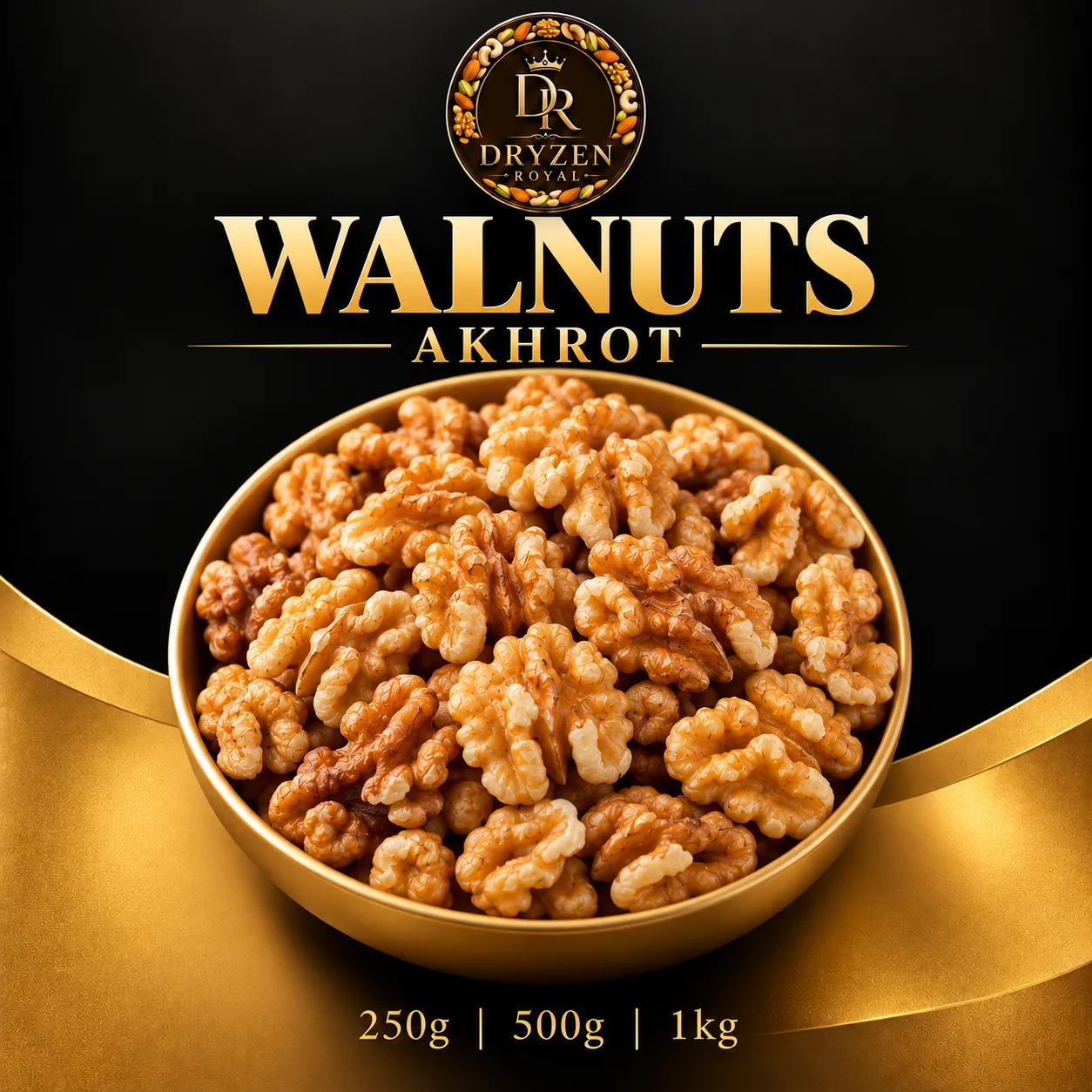
This recipe uses melted chocolate and butter rather than relying entirely on cocoa powder. It is designed for a 20cm square tin, with enough walnuts to give a clear texture without making every bite difficult to slice. Read through the cooling instructions before you begin: the brownies need time to settle before they can be cut neatly.
Allow approximately 20 minutes for preparation and 24 to 30 minutes for baking, followed by complete cooling. Cut the finished slab into 12 larger rectangles or 16 smaller squares. These portions are serving options rather than nutritional recommendations.
Use a light-coloured metal tin if possible, lined with baking paper extending above two sides. Glass and very dark tins can behave differently, so the visual baking cues matter more than a single exact minute. Have a mixing bowl, spatula and skewer ready.
Check whether the walnut pack contains kernels or whole nuts in shells. The recipe requires 90g of edible kernels after shell removal. Examine them for shell fragments before chopping, and avoid nuts with an unpleasant smell or clear signs of spoilage.
Pieces work well inside the batter, while halves can decorate the surface. There is no need to pay for an unbroken appearance if the nuts will be chopped. Our walnut halves versus pieces guide explains this practical distinction.
Heat the oven to 175°C conventional or about 155°C fan. Grease the tin lightly so the lining stays in position, then press the paper into the corners. A few creases are harmless, but large folds can leave deep marks in the edges.
Weigh the flour, cocoa and salt together and whisk to remove obvious cocoa lumps. Chop the walnuts into pieces roughly the size of a small bean. Very large chunks can catch the knife later, while walnut dust disappears into the batter rather than giving a distinct bite.
If the kernels are plain and you prefer a more toasted flavour, warm them briefly in a dry pan, stirring continuously. Let them cool before adding them. Skip this step if the nuts are already roasted, and do not continue heating until they smell scorched.
Place the butter and chocolate in a heatproof bowl over a pan of gently simmering water. Keep the base of the bowl above the water and stir until almost melted. Remove from the heat and stir the remaining small pieces smooth.
Alternatively, use short microwave bursts, stirring between each. Avoid a long uninterrupted heating period because chocolate can scorch before every piece looks melted. Let the mixture cool until warm rather than hot while you prepare the eggs.
Whisk the eggs, sugar and vanilla just until the mixture looks evenly combined and slightly thicker. You do not need the volume expected for a sponge cake. Pour in the warm chocolate mixture while stirring steadily so the ingredients blend without leaving streaks.
Fold in the flour mixture with a spatula, scraping around the bowl and across its base. Stop when the dry ingredients have disappeared. Add the walnuts, keeping a small handful aside for the top if you like. Give only enough further folds to distribute them.
The batter should be thick and glossy enough to spread rather than pour like milk. If it appears stiff, first check whether the chocolate mixture has simply cooled. Do not add random amounts of water or milk, which would change the recipe’s balance.
Scrape the batter into the lined tin and spread it level, especially at the corners. Scatter any reserved walnuts over the top and press them in lightly. Bake on the middle shelf and begin checking at around 24 minutes.
The edges should be set, with a thin crust across the surface. A skewer inserted near the centre should carry moist crumbs rather than loose raw batter. Waiting for a completely clean skewer can overbake a brownie intended to stay fudgy.
Ovens, tins and chocolate formulations differ, so add time in small increments if the centre is still clearly liquid. Do not judge only by the surface colour: cocoa can make the top look dark well before the middle has set.
Put the tin on a rack and let the slab cool completely inside it. The residual warmth will continue to affect the texture. The FDA’s advice on raw flour and batter is a useful reminder to avoid tasting the uncooked mixture.
Lift the cooled slab using the paper overhang and place it on a board. Use a sharp knife, wiping it between cuts. For a tidy party plate, mark equal widths before cutting instead of estimating every piece as you go.
If the middle collapses into a puddle, the bake was too short or the slab was cut while still warm. If the crumb is dry throughout, review the bake time and flour measurement. A small amount of extra flour can have a noticeable effect in this style of recipe.
If your walnut brownies feel greasy, check whether the batter was fully combined before baking and whether the slab has cooled. Do not try to correct the next batch by immediately doubling the flour. Record the chocolate used, tin size and baking time first.
Keep the serving style simple while you assess your first batch. A little plain yogurt or ice cream can be offered separately, but adding a heavy topping immediately can hide whether the base texture is the one you wanted.
A little orange zest can complement the chocolate, and a pinch of ground cardamom gives a different aroma. Add one accent at a time. Strong spices, sweet chocolate chunks and a thick icing together can overwhelm the walnut flavour.
For another chocolate-and-nut serving idea, see our chocolate and dry-fruit pairing guide. Keep any additional topping modest so you can still taste the batch you baked.
Cool walnut brownies before covering, keep the squares in a clean sealed container, and store them in a cool place suitable for the ingredients and weather. Freeze wrapped individual portions if you want to keep a reserve, and thaw covered. A dairy topping needs its own refrigeration arrangements.
Before gifting, identify the walnuts, wheat, eggs and dairy in the recipe and check the chocolate label for additional ingredients. Explore Dryzen Royal Premium Walnuts when planning your next walnut brownies, and choose a pack that fits the amount you will actually bake.
Let them cool completely first. Warm chocolate and butter make the centre delicate, so early cutting tends to produce ragged pieces.
Yes. Weigh the edible kernels and use roughly even pieces. Save attractive halves for the surface if you want a decorative finish.
Extra flour, prolonged mixing after flour is added, or a long bake can move the texture toward cake. Weigh ingredients and check early.
You can, but they will be exposed to more direct heat. Press them lightly into the surface and watch for early darkening.
Questions about this article?
Email us and we will get back to you.
Explore more
