- 100% Natural
- Premium Quality
- No Preservatives
- Fresh & Healthy
Bake walnut coffee cake with measured coffee, chopped akhrot and a butter batter. Follow mixing, pan-depth and cooling checks for a sliceable tea-time loaf.
Walnut coffee cake puts a small measured coffee concentrate and chopped akhrot into a butter-based loaf. The coffee should be dissolved first rather than leaving granules in the crumb. A modest nut quantity gives texture without making the slice difficult to cut.
This recipe makes one small loaf. It is a coffee-flavoured cake, not a claim that it contains no caffeine. Check the product used and keep added liquid within the stated formula.
Use a tin around 21cm by 11cm. Allow twenty-five minutes to prepare and approximately forty to fifty minutes for baking.
Cool the coffee concentrate before mixing it with the eggs and butter. The small water amount is intentional; a full cup is not equivalent.
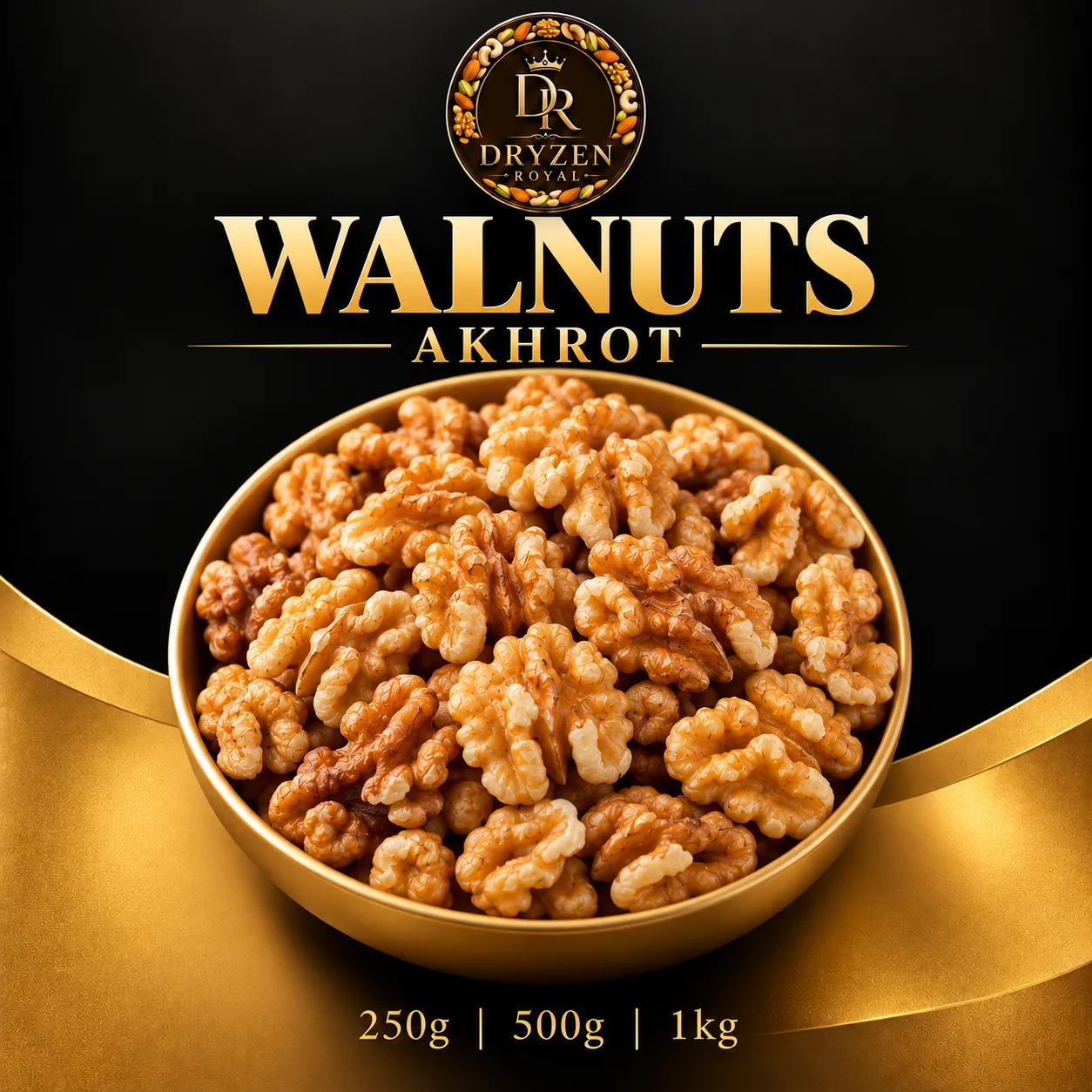
Inspect walnuts for shells and unsuitable pieces. Chop evenly so the batter does not contain a few very large chunks among fine dust.
Our walnut form guide explains why pieces are practical for this loaf.
If lightly toasting the nuts, cool them completely before adding. Warm nuts can soften the butter mixture during mixing.
Heat the oven to 175°C conventional or around 155°C fan. Grease and line the tin.
Beat butter and sugar until lighter and evenly combined, scraping the bowl. Add eggs in small stages rather than pouring both in at once.
Stir in cooled coffee concentrate and milk. If the mixture looks slightly split, a little of the measured flour can help bring it together.
Whisk flour, baking powder and salt separately. Fold into the wet bowl with a spatula, scraping the base.
Add chopped walnuts and stop once distributed. Prolonged beating after flour enters is unnecessary.
The batter should be spoonable. Before adding extra milk, check the original measurements and whether the butter was properly softened.
Transfer to the tin and level the surface. Keep the middle and ends at a similar depth.
Bake on the middle shelf, checking near forty minutes. A skewer in the thick centre should emerge without raw batter.
If the surface colours first, cover loosely while the centre finishes. Tin material and shape affect timing, so record what you used.
Rest in the tin for about fifteen minutes, then move to a rack. Let steam escape underneath rather than leaving the warm loaf on a solid board for hours.
Use a sharp serrated knife and support the crumb around the nut pieces. Cutting too early can make a good loaf appear fragile.
Serve plain with tea or coffee, or add a light topping only after full cooling. A heavy frosting is not required to identify the coffee flavour.
For another akhrot chocolate bake, our walnut brownies use a different flour and chocolate balance.
If the cake tastes weak, review the coffee product and concentrate before adding unmeasured liquid. If bitter, check coffee strength and nut condition.
If dry, review flour measurement and bake duration. If gummy in the centre, check doneness and depth before cutting away the middle and calling the formula unsuitable.
Keep notes on coffee type and prepared nut weight. Those details make later adjustments clearer than changing every ingredient.
Cool before covering. Refrigerate when ingredients or conditions require it, especially with dairy frosting, and freeze wrapped slices for a longer reserve.
Identify wheat, milk, egg and walnuts when sharing. Do not taste raw batter or return wet utensils to the dry nut pack.
Keep coffee ingredient information available for anyone who avoids caffeine.
Dissolve the coffee and let it cool while weighing flour and chopped walnuts. Keep this preparation separate from the unused ingredient packs. Put measured amounts in small bowls so a pause or interruption does not lead to the same ingredient being added twice. Retain the original labels when ingredients are transferred into other containers.
Prepare the lined tin before creaming so the batter can bake once combined. Check the equipment and available space before starting the stage that needs continuous attention. A short written order of tasks can prevent a cooked component waiting unnecessarily while another is still being prepared. Use the stated texture cues alongside the clock.
Check the thick centre with a skewer before deciding the loaf is finished. Make the smallest practical adjustment, combine it fully and reassess before adding more. Keep a note of the quantity actually used and the preparation of the source product. This gives the next batch a clear reference instead of several simultaneous changes.
Cool on a rack and keep any dairy frosting separate until the loaf is cold. Separate the working amount from the untouched reserve and choose packaging that suits the prepared food. A dry ingredient and a dish made from it can have different storage requirements. Keep serving utensils clean and ingredient information accessible to anyone sharing.
After full cooling, compare a central slice with an end piece. The edges receive heat differently, so a dry heel does not automatically mean the entire recipe needs more liquid. Check both before changing the batter.
If adding a topping, keep a small plain piece as a reference. Frosting can hide the coffee strength and make it harder to judge whether the base flavour is balanced.
For a repeat bake, note prepared walnut weight, the coffee product and the tin dimensions. A different concentrate or a much deeper pan changes the result even when the ingredient names look identical on a shopping list.
For ingredients for walnut coffee cake, view Premium Walnuts. Review the current product details and choose a pack that fits your cooking or gifting plans.
Dissolve the measured amount first so flavour distributes without bitter pockets.
Not directly. Extra liquid changes the batter balance.
Pieces work for the crumb; weigh edible kernels and inspect for shell fragments.
No. Use and describe the actual coffee product accurately.
Questions about this article?
Email us and we will get back to you.
Explore more
