- 100% Natural
- Premium Quality
- No Preservatives
- Fresh & Healthy
Plan cleaning dry fruit containers around jar materials, lids and complete drying. Remove residue safely and keep new batches separate from old food traces.
Cleaning dry fruit containers helps remove old crumbs, oil residue and lingering odours before a new batch is added. The method should suit the jar, lid and seal rather than applying one aggressive treatment to every material. Complete drying matters because dry ingredients should not enter a damp container.
This guide covers ordinary home care, not a validated commercial sterilisation process. A clean jar also does not make nuts or dried fruit shelf-stable beyond their own product instructions.
Move suitable contents into clean appropriate temporary packaging. Keep varieties and batches identifiable, and inspect for spoilage or contamination.
Do not leave the food uncovered beside a wet sink while dismantling the jar. Cleaning should not create a new moisture or handling problem.
If contents are mouldy, damp or otherwise suspect, do not mix them with fresh stock. Assess the affected food and packaging rather than treating washing as a way to rescue it.
Glass, plastic, wood and decorative finishes have different limits. Lids may include liners or seals that need separate care.
Follow manufacturer instructions for washing, dishwasher use and temperature changes. Do not boil an unknown plastic lid or put a wooden presentation box through a dishwasher.
A glass body does not mean every attached component tolerates the same treatment.
Empty crumbs and shell fragments into waste. Use a suitable soft brush or cloth as appropriate to the material.
Look around threads, corners and divider edges. Sticky dried-fruit residue can remain where a quick rinse does not reach.
Do not use sharp tools that damage a surface or seal. A scratched or cracked component may become harder to clean reliably and may need replacement.
Use the cleaning method allowed by the product guidance. Rinse thoroughly where appropriate so cleaning residue does not remain.
Do not invent strong chemical mixtures, and never combine household cleaning products casually. Food-contact suitability and the specific product instructions matter.
Ordinary home washing should not be advertised as a sterilisation guarantee. It removes residue but does not validate a preservation process.
If a seal is designed to be removed, follow its instructions and inspect underneath. If not, do not force it out and damage the closure.
Check for trapped crumbs, cracks and persistent odour. A lid that no longer closes securely may not provide the protection you expect.
Drain and air-dry in a clean place protected from splashes. Check base corners, lid threads and seal channels before refilling.
A cloth can leave fibres or move moisture between parts, so use an appropriate clean drying method. Do not seal a jar while water is still trapped inside the lid.
Our dry-fruit storage guide explains why moisture protection matters. A damp jar undermines otherwise careful pantry conditions.
Put food back only after the container is suitable and fully dry. Keep the product name, opening date and original storage information linked to the contents.
Do not top up indefinitely over old stock. Finish older suitable material and prepare the container before a new batch.
Our dry-fruit label guide explains useful source information. Keep a simple written log linked to the actual product pack.
If an odour remains, reassess whether the container is appropriate rather than masking it with perfume or spices. Do not use an unknown scented finish for direct food contact.
Cracks, damaged seals and mould need attention. A decorative liner does not automatically solve a damaged food-contact surface.
Where direct food suitability is unclear, choose another appropriate use or replace the component. The practical aim is reliable storage, not keeping every old jar in service at any cost.
A small number of well-labelled containers can be easier to maintain than many half-filled jars with unclear dates. Choose sizes that fit actual use.
Cleaning dry fruit containers is one part of handling. Ingredient condition, temperature, humidity and clean serving utensils remain important after refilling.
Keep wet tools away from the dry reserve and retain product instructions. Do not promise a longer shelf life merely because the container has been washed.
Identify jar, lid and seal materials before choosing a cleaning method. Weigh and inspect before starting the hot stage, then close the source packs. Small prepared bowls reduce interruptions and make accidental double additions less likely. If you pause midway, mark which ingredients have already entered the mixture.
Move food to suitable protected storage before taking the container apart. Allow the component that needs cooling or resting to begin first. Keep the next piece of equipment ready so the transition is controlled. The clock is useful for planning, but the stated texture and appearance remain the more important cooking cues.
Inspect hidden threads and corners after washing and allow complete drying before refilling. Make one measured correction, mix thoroughly and reassess. A small test portion helps prevent an irreversible adjustment across the whole recipe. Keep notes on the preparation used, because a different product or pan can explain a different result.
Label the new batch and retain original ingredient information rather than relying on the jar name alone. Plan the serving container and storage space before making a larger batch. Do not assume twice the ingredients fit safely into the same pan or cool in the same time. Protect the reserve from repeated handling and label any transferred food clearly.
After refilling, check that the lid closes normally and that the label remains readable. A seal displaced during cleaning can reduce the protection you expected. Keep the first refill modest while confirming the container is fully dry and functioning as intended.
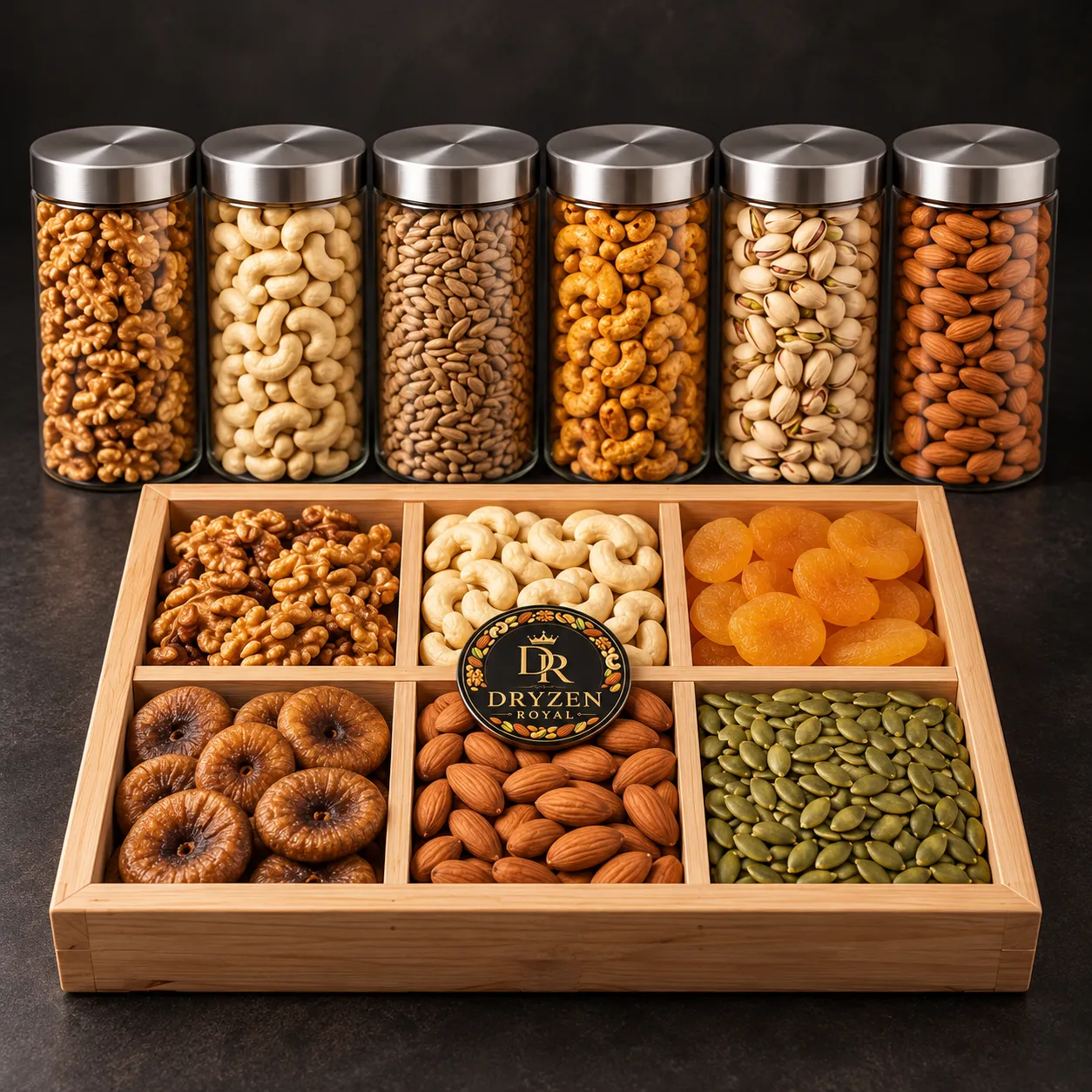
Explore Dry Fruit Jars & Wooden Box Hamper when planning cleaning dry fruit containers. Check the current preparation and pack information, choose the quantity your recipe needs, and keep the remaining dry ingredients stored as directed.
No. Follow the manufacturer's care instructions for seals, coatings and materials.
Check corners, threads and removable seals where water can remain.
Empty, inspect and clean appropriately before refilling rather than mixing batches indefinitely.
No. Ordinary home cleaning is not a validated sterilisation or preservation process.
Questions about this article?
Email us and we will get back to you.
Explore more
