- 100% Natural
- Premium Quality
- No Preservatives
- Fresh & Healthy
A clean, controlled scissor method for sticky fruit, with limits for hard pieces and careful stone inspection.
Cutting dried fruit with scissors can be convenient when dates, figs or apricots stick to a knife. A good pair of kitchen shears lets you snip a small quantity directly into a bowl while keeping the pieces visible. The technique is especially useful for flexible fruit, but it is not a way to cut through stones or force a tool through very hard material.
Start by inspecting and opening each fruit before making small pieces. Stones and tough stalks need separate attention. This guide explains suitable tools, practical sizes and cleanup so cutting dried fruit with scissors becomes a controlled preparation method rather than a messy shortcut.
Use kitchen scissors reserved for food preparation, with clean sharp blades and a comfortable grip. Household craft scissors may have glue, paper dust or other residues that do not belong near ingredients. A take-apart design can make thorough cleaning easier if the manufacturer provides that feature.
Check the hinge and blades before starting. Loose blades can pinch instead of cut, while damaged edges require excessive force. Follow the tool's care instructions. Do not try to repair a loose hinge while holding sticky fruit over an open ingredient bowl.
Set out a clean board, a bowl for cut pieces and a separate dish for stones and stalks. Keep the waste dish visibly different so a hard fragment is not accidentally tipped back into the food. Good lighting matters when fruit is dark and the stone is similar in colour.
Wash hands and dry them well. Wet fingers can make the handles slippery. If you need to wash fruit according to the product's instructions or condition, dry it appropriately before cutting. Extra surface water can affect both grip and the recipe's moisture balance.
For dates, split each fruit lengthways and remove the stone and any hard cap. Even a product sold as pitted can occasionally contain a fragment. For figs, remove the firm stalk and inspect the inside. For apricots, check the centre carefully for remaining stone pieces.
Do not use scissors to test whether a hard object is a stone. Set the fruit down and inspect with your fingers or a suitable small knife. Cutting dried fruit with scissors is for the edible flesh after that check, not a substitute for it.
For a cake or loaf, pieces around 5–8 mm may distribute more evenly than large strips. For a salad, thin flexible strips can be pleasant. For a fine garnish, smaller pieces may work, but a knife or grinder can be more efficient when you need a large quantity.
The recipe takes priority. A fruit bread designed for whole raisins does not automatically need every raisin cut in half. Smaller pieces release and distribute their sweetness differently. Decide the intended texture before preparing the whole pack.
Hold one opened fruit away from the blade tips and snip strips from an edge, then cut across those strips into pieces. Keep fingers clearly outside the cutting path. Do not hold a large slippery handful and try to work through it at once.
For dates, one half at a time is usually manageable. For broad apricot pieces, cut into strips before cross-cutting. Figs can need a little more pressure because of their skin, but the blade should still close smoothly without twisting. If it does not, stop and use another suitable method.
A very dry apricot or fig may need brief softening before cutting, if the recipe permits it. Use a measured amount of warm water and drain or account for that liquid according to the recipe. Do not soak randomly and then add wet fruit to a formula that assumes dry pieces.
If you soften fruit, prepare only the amount needed and keep it appropriately refrigerated if not using promptly. Cutting dried fruit with scissors does not change the handling needs of fruit that has been rehydrated. The moisture state is now different from the original dry pack.
Stop periodically and wipe the blades with a suitable clean damp cloth, keeping fingers away from sharp edges. Dry them before continuing if needed. Some recipes allow a tiny amount of oil on the blades, but that oil becomes part of the food and should not be added casually to a precision formula.
Do not dust the whole bowl with flour simply because the fruit sticks. Flour can be useful when already included and measured in a specific recipe, but an untracked addition changes the mixture. For a simple snack or salad, clean blades and small batches may be enough.
Cut into a wide bowl rather than a tall narrow jar. Separate clumps gently with clean fingers or a spoon so you can see whether the size is consistent. Weigh the prepared edible portion according to the recipe, making clear whether the stated weight is before or after stone removal.
If a recipe calls for 100 g pitted chopped dates, measure the fruit after removing stones. Weighing 100 g whole fruit and discarding stones gives less edible material. The difference matters more in a small batch than in a large informal serving.
For a large quantity, a sharp knife on a stable board may be faster and produce more consistent cubes. For very soft sticky dates, a processor may be appropriate when making paste rather than visible pieces. Choose the tool for the finished texture, not because one method is always superior.
This scissor method is particularly useful for a few pieces added to a bowl or a small batch of baking ingredients. It becomes less comfortable when hand fatigue causes hurried cuts. Pause or change methods before grip and control decline.
Do not use shears that have just cut raw chicken without thorough cleaning according to food-safety practice and the tool's instructions. A quick wipe is not enough. Ideally, prepare ready-to-eat fruit with clean dedicated tools before handling raw ingredients.
Keep cut fruit away from wet boards, used marinades and raw batter. If some is reserved for a garnish, portion it before the rest goes into an uncooked mixture. A spoon that has touched raw egg should not return to the prepared-fruit container.
After cutting, wash the blades, hinge area and handles as directed by the manufacturer. Sticky residue can hide where the blades overlap. If the scissors come apart, disassemble only as designed and dry thoroughly before reassembly. Do not leave them soaking where somebody might reach into cloudy water.
Store with the blades closed and away from loose ingredient bags. Label or separate food-use shears if your household also uses similar scissors for crafts. Cutting dried fruit with scissors is most practical when the tool remains clean, sharp and easy to identify.
Record the fruit type, edible weight and approximate piece size if the recipe turns out well. Cutting dried fruit with scissors should make preparation easier without hiding changes in moisture or quantity. Inspect first, snip small portions and stop when force replaces control.
Match the cut to the recipe with baking with dried fruit. Use cleaning dry-fruit containers when preparing a clean storage container for measured fruit pieces.
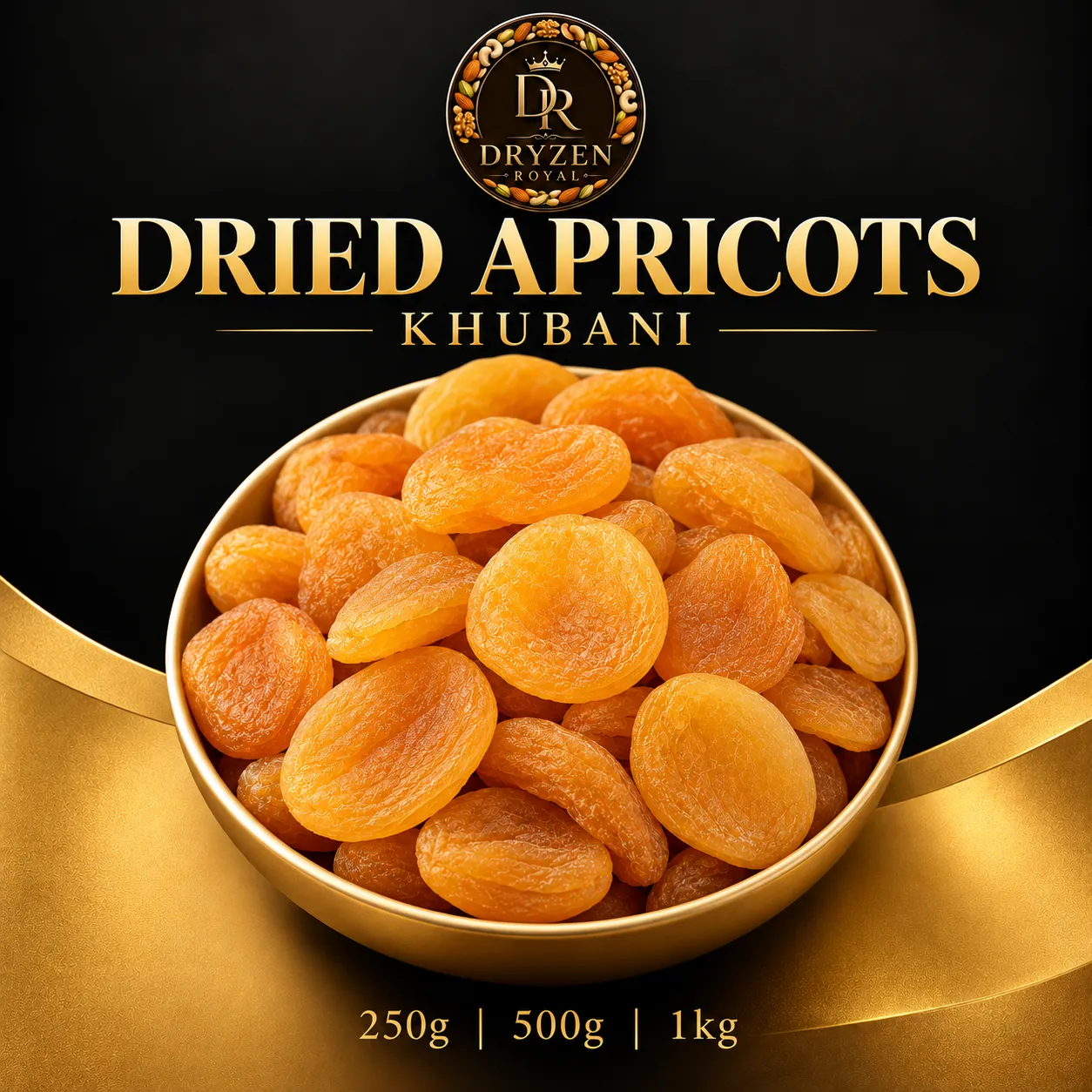
Explore Dried apricots and other dried-fruit choices at Dryzen Royal for your next measured kitchen preparation.
Do not test it. Open every date and remove stones or fragments before snipping the flesh.
No. Use another suitable tool or soften it only if the recipe allows and its moisture is accounted for.
Use clean kitchen shears reserved for food; craft tools may carry residues unsuitable for ingredients.
If it specifies pitted chopped dates, weigh the edible prepared fruit after removing stones.
Questions about this article?
Email us and we will get back to you.
Explore more
