- 100% Natural
- Premium Quality
- No Preservatives
- Fresh & Healthy
An enriched yeast loaf twisted around a restrained date-and-chocolate layer, with a clear cooling stage before slicing.
Date chocolate babka twists a soft enriched yeast dough around a thin khajoor-and-chocolate filling. The cut layers become visible along the top, while the inside remains a tender sharing loaf. This home version keeps the fruit paste thick so it does not turn the centre into a wet seam.
The project needs rising and cooling time, but the shaping is manageable when the dough is cool and the filling is ready. Date chocolate babka is best planned as a weekend bake rather than a last-minute dessert that must be sliced directly from the oven.
Use a metal loaf tin around 23 by 13 cm, lined with suitable baking paper. Allow thirty-five minutes of active preparation, about two hours across rising stages and thirty-five to forty-five minutes for baking. Actual timing depends on room conditions and dough.
The dough contains wheat, milk and egg. Chocolate may add other ingredients, so check its label. Dates contribute sweetness but do not make the loaf sugar-free. Keep the actual ingredient list clear when sharing or gifting slices.
Open every date, remove stones and hard caps and check for fragments. Warm with 60 ml water until soft, then mash or blend safely. Cook gently until thick enough to spread without running.
Cool completely before using. A hot paste softens dough and butter and makes the rolled layers difficult to cut. A loose fruit sauce also creates a wet centre that can appear underbaked even when the outer loaf is browned.
Combine flour, yeast, sugar and salt. Add milk and egg and mix into a rough dough. Knead for five minutes, then work in softened butter gradually and continue until smoother and elastic.
The dough may feel sticky during butter incorporation before it comes together. Avoid adding large amounts of flour immediately. Use a scraper and short pauses if needed. A soft dough supports a tender loaf better than a dry stiff mass.
Put in a lightly oiled bowl, cover and leave until roughly doubled, often sixty to ninety minutes. Keep away from direct strong heat. A warm Pakistani kitchen may shorten the rise, while a cool room may need longer.
If the dough becomes very soft for rolling, chill briefly after the first rise. Cooling is a handling tool, not a reason to skip fermentation. Date chocolate babka needs both a developed dough and a workable temperature.
Turn onto a lightly floured board and roll to roughly 30 by 35 cm. Keep the thickness even, avoiding a very thin centre and thick border. Brush away excess flour before adding filling.
Spread optional softened butter thinly, then the cooled date paste, leaving a narrow clear edge. Scatter finely chopped chocolate evenly. Do not add a large extra pile in the middle, which makes the roll bulky and harder to bake through.
Starting at a 30 cm edge, roll along the longer direction to make a log around 30 cm long. Keep snug without squeezing filling out. Place on a tray and chill for fifteen minutes if soft.
Cut the log lengthways through its centre with a sharp knife, exposing the filling layers. Keep cut faces generally upward. A cool log makes this step much cleaner than a warm sticky one that drags under the blade.
Cross the two halves over one another a few times to form a loose twist. Do not pull hard or press the cut layers shut. Tuck ends as needed and transfer into the lined tin with support underneath.
The shape can be rustic. Date chocolate babka does not need perfectly symmetrical stripes. The useful goal is a loaf that fits the tin without a tightly packed wet centre or a huge mound at one end.
Cover lightly and leave until noticeably puffed, often forty to sixty minutes. A gentle fingertip mark should recover slowly. Do not wait for a fragile overexpanded loaf that collapses when moved.
Heat the oven to 180°C conventional or about 160°C fan during this stage. Have the oven fully ready when the loaf reaches its proofing point. A shaped enriched dough should not sit beside a cold oven for a long unplanned wait.
Bake for thirty-five to forty-five minutes, checking around thirty-five. The surface should be golden and the bread around the filling should be cooked, not a raw dough band. If the top colours early, cover loosely with foil.
A skewer can hit melted chocolate or date paste and look sticky, so assess a bread-only area as well. A reliable bread temperature check can also help with repeatability. Do not declare the centre ready solely because the exposed chocolate is dark.
Leave in the tin for about fifteen minutes, then lift onto a rack with support. Cool further before slicing, ideally until the crumb has settled. Cutting a hot filled loaf compresses the bread and can smear the date layer.
Use a serrated knife and gentle motion. Support each slice from underneath. Date chocolate babka is a sharing bread, so some variation in filling pattern is expected. A neat crumb matters more than a perfectly identical swirl in every piece.
Offer date chocolate babka with plain tea or coffee. Extra sweet syrup is not needed for this version. A little plain yogurt can sit beside a serving if wanted, but avoid soaking the whole loaf with a wet topping.
For a mixed dessert table, cut smaller slices. Keep ingredient information available because the loaf's dark filling does not reveal the egg and dairy in the dough. A homemade gift should include a clear storage note.
The filling can be made ahead and refrigerated promptly. For overnight dough, use an appropriate refrigerated yeast-dough method rather than leaving this warm-rise formula on the counter through a hot night.
Do not fully assemble and then freeze a large event batch without a small test. Fruit moisture, chocolate type and tin size all affect the result. A first measured loaf is a more useful baseline.
Cool completely before sealing. In a warm kitchen, refrigeration is a practical conservative choice; use within three days and let a serving lose its chill briefly or warm gently. This is not a validated commercial shelf life.
Freeze individual plain slices if needed and thaw covered. Repeated heating dries the bread while the filling remains sticky. The twisted loaf becomes dependable when filling is thick, shaping is cool and the centre is checked beyond its attractive top.
The twisted loaf rewards patient rising and cooling more than an overloaded filling. Record the tin, actual rise times and bake result so the next loaf fits your kitchen rather than a fixed clock.
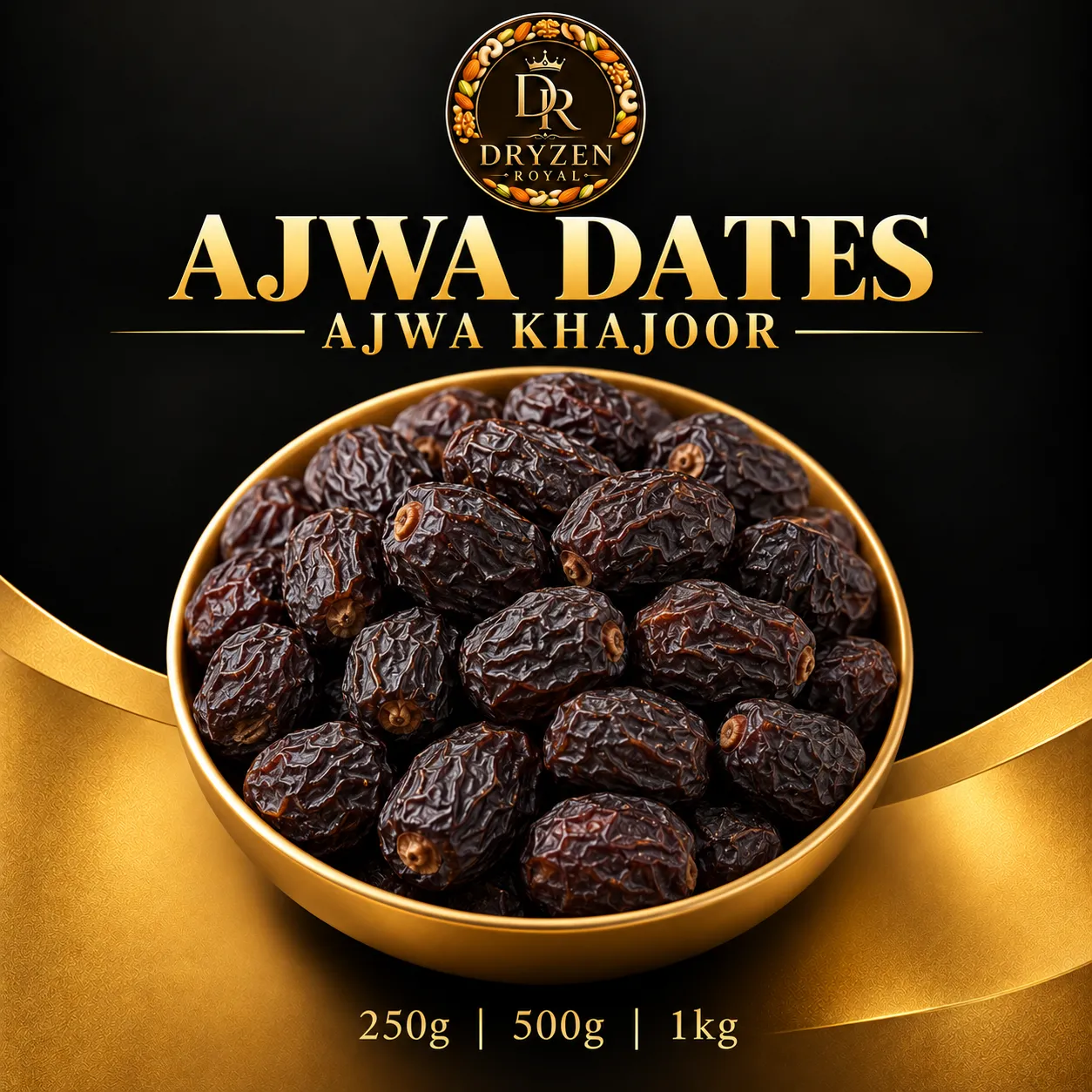
Use preparing thick date paste for the filling texture. For an unfilled loaf with a different shaping method, explore a simpler raisin yeast loaf.
Explore Dates at Dryzen Royal and choose khajoor for a measured weekend bread project.
No. Cool it fully so it does not soften the dough and make cutting and twisting messy.
It exposes the filling layers that form the visible twist.
It may have hit chocolate or date paste. Check a bread-only area and the overall centre structure.
Let it settle and cool so the crumb supports the filling instead of compressing under the knife.
Questions about this article?
Email us and we will get back to you.
Explore more
