- 100% Natural
- Premium Quality
- No Preservatives
- Fresh & Healthy
Prepare date fruit leather with cooked apple and pitted khajoor. Follow thin spreading, equipment and centre-drying checks, with cautious refrigerated storage.
Date fruit leather blends khajoor with cooked apple into a thin sheet for drying. This is a small home-kitchen experiment intended for refrigerated or frozen storage. It is not a validated canning formula or a promise that any partly dried fruit sheet is safe in a cupboard.
A suitable dehydrator is easier to control than an oven that cannot hold a low temperature. Check the equipment and liner instructions before preparing a large quantity. Do not improvise unsafe appliance ventilation or leave a cooking setup unattended.
Allow twenty minutes for puree preparation and several hours for drying, with timing depending on thickness and equipment.
Use sound fruit and remove every pit and hard piece. The prepared weights exclude apple core and date pits.
Put chopped apple, dates and measured water in a saucepan. Simmer gently until apple is tender and dates soften.
Mash, then blend safely with equipment suited to the temperature and quantity. Add lemon modestly.
Keep the puree thick but spreadable. Add only small measured liquid amounts if necessary for blending; a watery puree needs much longer drying.
Our date paste guide explains another preparation. Its serving consistency is not the same end point as a dried sheet.
Use the dehydrator's food-safe fruit-leather tray or a liner specifically suitable for the equipment. Do not assume ordinary wrapping material tolerates heat.
Spread a small even layer around 3mm thick, avoiding a very thin edge and a thick central mound. Consistency of thickness is more useful than a decorative outline.
Keep space as the machine instructions require for air movement. Do not block vents with oversized liners.
A temperature around 60°C, equivalent to 140°F, is a common fruit-leather drying reference. Follow appropriate equipment guidance and monitor the actual setting.
Expect several hours, not a short cake-style bake. A thicker sheet, wetter blend or less effective airflow can take longer.
Do not turn the heat sharply higher simply to finish quickly. That can dry or cook the surface before the centre reaches the intended texture.
Test a cooled small area or use safe handling appropriate to the tray. The centre should not retain a wet puree pocket.
A flexible sheet is different from a brittle crisp. You are looking for a consistent leathery texture that lifts from its suitable liner, not raw sticky fruit underneath a dry rim.
Inspect more than one point. One thin edge cannot establish the condition of the whole tray.
Once appropriately dried, let the sheet cool under clean conditions. Cut manageable strips and separate with suitable food-safe material.
Do not roll a wet or uncertain centre into a tight package and treat the outside appearance as proof of completion.
For another baked date snack, our date oat bars use a different moisture and storage approach.
This particular fruit blend has not been validated for room-temperature shelf life. Refrigerate or freeze wrapped portions and make a small batch.
A neat roll or sealed pouch does not establish water activity, acidity or preservation safety. Avoid assigning an invented long expiry.
If mould, unexplained dampness, an unusual smell or suspected contamination appears, discard the affected product rather than trying to dry it again.
Record puree weight, thickness, equipment, temperature and centre checks. Change one factor at a time on a later attempt.
If brittle, consider whether the layer was too thin or dried too far. If sticky in the middle, review thickness and moisture rather than increasing sugar randomly.
Do not claim a treatment, a detox or sugar-free status. The useful result is a clearly described homemade fruit snack with appropriate handling.
Keep dry dates separate from wet puree tools and retain source ingredient information for anyone sharing.
Inspect and pit dates and prepare sound apple before cooking the puree. Keep this preparation separate from the unused ingredient packs. Put measured amounts in small bowls so a pause or interruption does not lead to the same ingredient being added twice. Retain the original labels when ingredients are transferred into other containers.
Check the dryer can maintain the required low setting and prepare its suitable liner. Check the equipment and available space before starting the stage that needs continuous attention. A short written order of tasks can prevent a cooked component waiting unnecessarily while another is still being prepared. Use the stated texture cues alongside the clock.
Compare the centre and edge for a dry flexible result rather than using one timer alone. Make the smallest practical adjustment, combine it fully and reassess before adding more. Keep a note of the quantity actually used and the preparation of the source product. This gives the next batch a clear reference instead of several simultaneous changes.
Cool and wrap small portions, then refrigerate or freeze the reserve. Separate the working amount from the untouched reserve and choose packaging that suits the prepared food. A dry ingredient and a dish made from it can have different storage requirements. Keep serving utensils clean and ingredient information accessible to anyone sharing.
Use one modest tray before multiplying the puree. That makes thickness and centre checks easier and avoids a large quantity with uncertain drying.
Record the prepared fruit weight, layer depth and actual equipment setting. A thinner edge can become brittle while a thick middle stays damp, so inspect both before packaging. Do not use an attractive rolled shape as proof that the centre reached the intended condition.
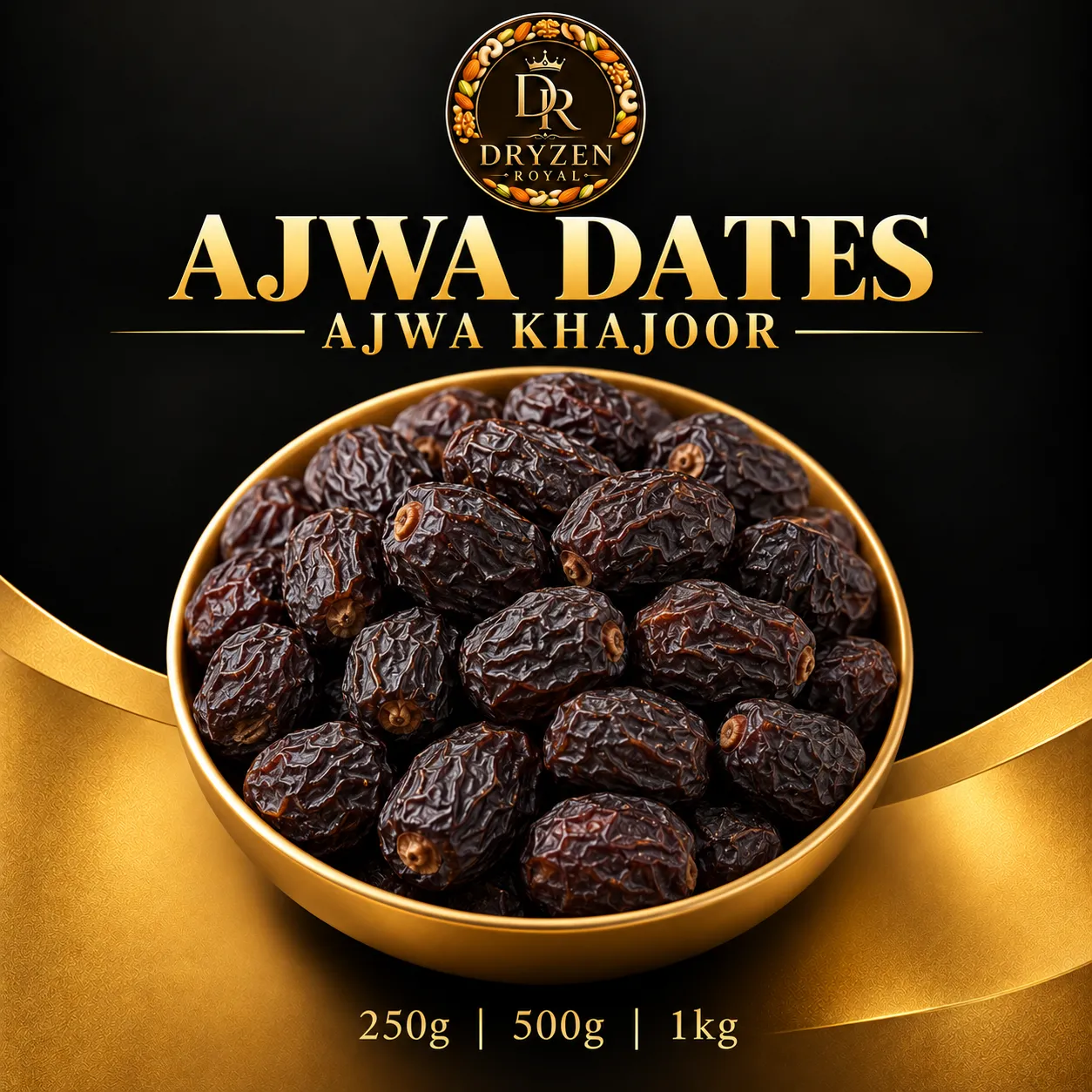
For ingredients for date fruit leather, view Premium Ajwa Khajoor (Dates). Review the current product details and choose a pack that fits your cooking or gifting plans.
No. Check the centre, which dries more slowly than thin edges.
Use only food-safe liners rated for the equipment and temperature.
No. Keep this small experimental blend refrigerated or frozen rather than claiming room-temperature stability.
No. Apples and dates contain naturally occurring sugars.
Questions about this article?
Email us and we will get back to you.
Explore more
