- 100% Natural
- Premium Quality
- No Preservatives
- Fresh & Healthy
Cook date sago pudding with measured pearls, khajoor and milk. Follow product-specific soaking, gentle simmering and cooling cues for a spoonable dessert.
Date sago pudding combines small pearls with chopped khajoor in a gently cooked milk base. Pearl products can differ in size and required preparation, so their pack directions matter. The dates should be pitted and cut small enough to distribute comfortably.
This recipe makes around four small bowls. It uses fruit for part of the sweetness but should not be described as sugar-free. The final texture is soft and spoonable, not a firm moulded dessert.
Allow preparation time according to the pearl product, then around twenty to thirty minutes for gentle cooking and checking.
Check whether the pack calls the ingredient sago or tapioca and follow its method. The name alone is not a reason to ignore preparation instructions.
Open every date, remove its pit and inspect the inside. Weigh the edible fruit after removing hard material.
Chop finely so it softens evenly in the milk. Very firm dates can be softened separately with a small measured amount of hot water, keeping any added liquid recorded.
Our date preparation guide explains pitting and blending for another use. This pudding needs its own liquid balance.
Rinse, soak or pre-cook as the actual instructions require. Drain when directed rather than carrying an unknown bowl of soaking water into the milk.
Different pearl sizes cook at different speeds. Do not assign the same short timing to every product or assume a hard centre will disappear while cooling.
Keep prepared pearls in suitable conditions and proceed without leaving them warm for an extended period.
Warm milk in a heavy saucepan, stirring across the base. Add prepared pearls and cook according to their needs.
Stir regularly so starch does not catch underneath. Lower the heat if the mixture bubbles aggressively or begins sticking.
Add chopped dates once the pearls are progressing toward tenderness. Continue gently until fruit is soft and the pearls are cooked through.
Let a small sample cool before tasting. It should be tender rather than contain an unpleasant hard core.
The liquid can look thick while some pearls remain undercooked. Add a little milk or water if needed and continue gently rather than serving from appearance alone.
Add optional cardamom modestly. Taste before considering extra sugar because date sweetness varies.
Stop while the mixture still moves easily from a spoon. It thickens as it rests and cools.
For warm serving, allow a short rest until comfortable to eat. For chilled serving, transfer to suitable smaller containers, cool promptly and refrigerate covered.
Keep the refrigerator at 4°C or below. A deep hot pan left on the counter for hours is not a suitable cooling plan.
A little chopped fruit or a modest nut garnish can be added near eating. Identify any nuts and keep them separate if not required.
For another pearl-free warm bowl, our pista semolina porridge has a different grain and cooking method.
Do not assume one dairy dessert inherits another's soaking or thickening times. Ingredient identity remains important.
If very thick when cold, reduce the initial reduction or add a little milk to a working portion. If thin, check whether the pearls were properly prepared and cooked.
If sweetness is uneven, chop dates smaller and stir more carefully. Adding sugar cannot correct a few large hard pieces.
Record pearl brand, size and preparation method. Those details make a later batch more repeatable.
Refrigerate promptly in clean covered containers and reheat only the amount needed, thoroughly and with gentle stirring.
Keep table leftovers out of untouched reserve bowls. Retain milk and pearl ingredient labels for anyone sharing.
Avoid medical or universal dietary claims and keep wet utensils out of the original dry date pack.
Read the pearl preparation instructions and weigh pitted dates before heating milk. Keep this preparation separate from the unused ingredient packs. Put measured amounts in small bowls so a pause or interruption does not lead to the same ingredient being added twice. Retain the original labels when ingredients are transferred into other containers.
Prepare pearls as directed while chopping fruit and arranging a heavy saucepan. Check the equipment and available space before starting the stage that needs continuous attention. A short written order of tasks can prevent a cooked component waiting unnecessarily while another is still being prepared. Use the stated texture cues alongside the clock.
Assess a cooled sample for pearl tenderness and final thickness before reducing further. Make the smallest practical adjustment, combine it fully and reassess before adding more. Keep a note of the quantity actually used and the preparation of the source product. This gives the next batch a clear reference instead of several simultaneous changes.
Serve small bowls and refrigerate untouched reserves promptly in suitable containers. Separate the working amount from the untouched reserve and choose packaging that suits the prepared food. A dry ingredient and a dish made from it can have different storage requirements. Keep serving utensils clean and ingredient information accessible to anyone sharing.
Record its name, approximate size and preparation method. A different packet may need more or less time even when the dry weight matches.
Keep a cooled sample of the first batch to judge thickness at the temperature you intend to serve. A very hot spoonful can encourage over-reduction, leaving a much firmer cold bowl than planned. Make any liquid correction in a small working portion first.
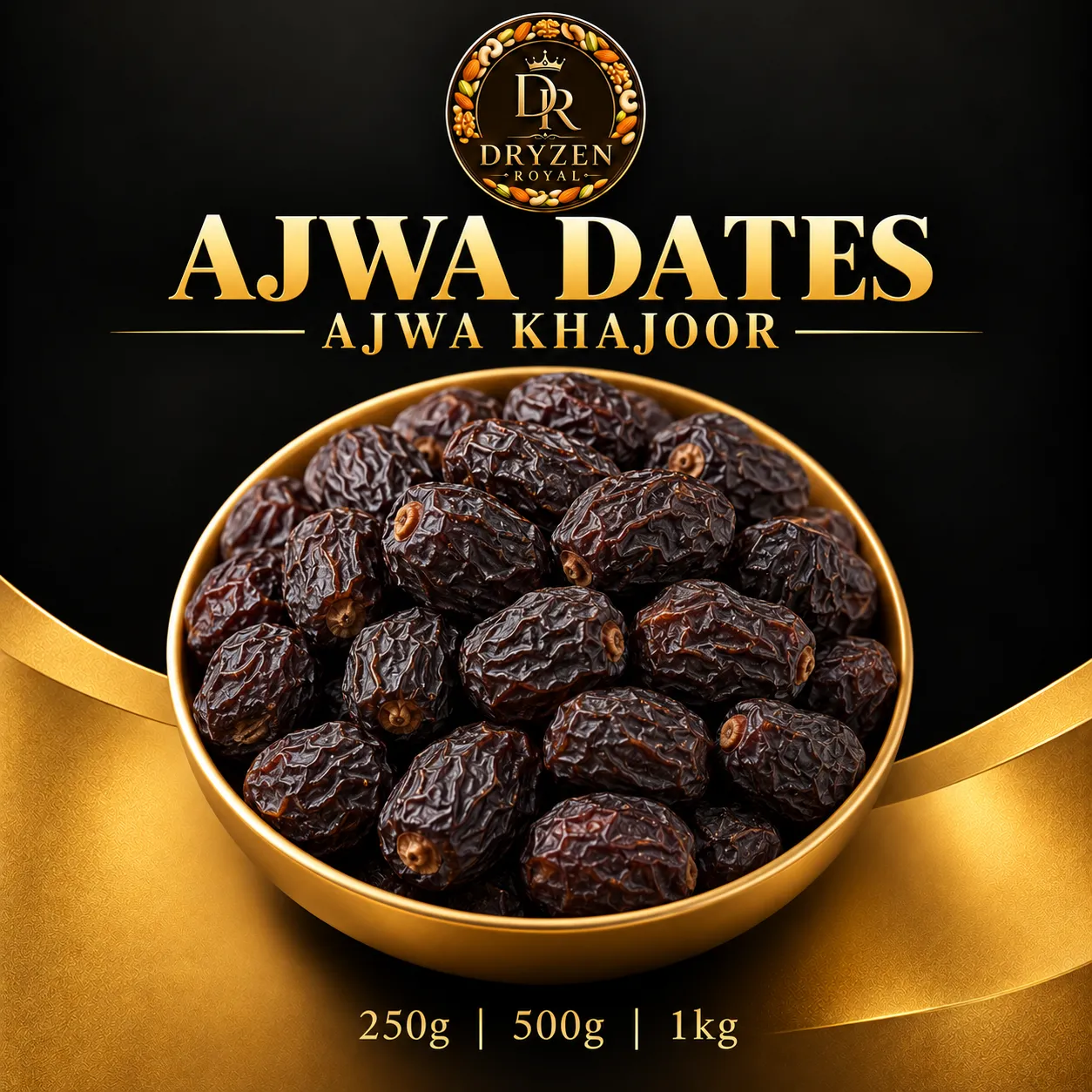
For ingredients for date sago pudding, view Premium Ajwa Khajoor (Dates). Review the current product details and choose a pack that fits your cooking or gifting plans.
Follow the actual pearl product instructions; size and preparation can differ.
No. Open, inspect and pit every date before chopping.
Dates contain naturally occurring sugars, so describe the ingredients accurately.
Yes. Finish slightly looser than the final serving consistency.
Questions about this article?
Email us and we will get back to you.
Explore more
