- 100% Natural
- Premium Quality
- No Preservatives
- Fresh & Healthy
A practical guide to clumped dried fruit, keeping texture handling separate from spoilage checks.
Dried fruit stuck together in a pack can be inconvenient when you need separate pieces or a measured recipe portion. Soft surfaces, natural stickiness and pressure during packing can contribute, but clumping alone does not tell you everything about condition. Inspect the food and its storage history before trying to loosen it.
The useful approach is gentle separation of sound fruit, not forceful cutting through an unknown hard lump. Different fruits need different handling. Dried fruit stuck together is easiest to manage when you identify whether the problem is a soft sticky surface, a compressed cluster or a condition concern that needs another decision.
Read the pack and look for damage, unusual moisture, visible mould, abnormal odour or other unexpected changes. Do not assume every pale patch is sugar or every clump is harmless. Use appropriate product guidance when appearance is uncertain.
A separation method does not restore spoiled food. If the pack shows clear spoilage or its handling history is doubtful, do not hide the issue by chopping it into a cake. Keep condition assessment separate from preparation convenience.
A soft date cluster behaves differently from raisins pressed together or firm apricot halves. Decide whether you need whole pieces, strips or a paste. There is no reason to preserve perfect individual shapes if the recipe will blend the fruit anyway.
Keep the original label and any stone information available. A clump can hide hard date stones or fig stalks. Do not put the whole mass into a blender until each fruit has been checked and hard parts removed.
Work on a stable clean surface with a bowl to catch pieces. Dry hands and tools give better grip than wet ones. Do not begin by rinsing everything unless the product or recipe calls for it, because extra water changes storage and recipe moisture.
Open the pack carefully and loosen the top layer without squeezing the whole contents. A small amount at a time is easier to inspect. Pulling a large sticky block apart over the counter can scatter pieces and make hard fragments harder to trace.
For a flexible unopened or securely closed pack in good condition, gentle bending or light external pressure may loosen a compressed cluster. Do not crush hard enough to burst seams or grind stones into the fruit.
This is a handling option, not a treatment for a damaged or contaminated package. If the packaging is rigid, fragile or unsuitable, open and separate on a clean surface instead. Product instructions take priority.
Use fingertips or two suitable utensils to ease pieces apart. Work from an exposed edge rather than pulling from the centre of the whole mass. A small spatula or blunt spoon edge can help with soft dates or apricots.
Dried fruit stuck together does not need to be torn into ragged fragments if you work patiently. If pieces begin smearing rather than separating, pause and consider whether a brief cooling stage suits the recipe and product.
A brief refrigerator rest in a closed suitable container can make some very soft fruit easier to handle. It is not a preservation reset or a way to make questionable food sound. Follow the pack's storage guidance and avoid condensation from repeated opening.
Do not freeze an entire pack hard and then force a knife through it. If freezing portions for future use, do so deliberately in suitable containers after inspection and preparation. A frozen block creates another cutting problem rather than solving every sticky one.
A tiny oil film on a tool may help some recipes, but the oil becomes part of the food. Do not pour oil into a whole pack casually or dust it with unmeasured flour simply to stop sticking.
For a recipe that already includes flour or sugar for coating fruit, use only the measured amount and keep track. Dried fruit stuck together should not lead to hidden ingredient changes that make a small baking formula difficult to repeat.
If firm fruit needs warm-water softening for a recipe, take the required amount and follow that recipe's liquid plan. Drain or retain the water only as instructed. The rest of the dry pack should stay appropriately stored.
Rehydrated fruit has different handling needs from the original dry ingredient. Do not soak a whole bag, separate it and return it to a pantry jar as if unchanged. Use promptly or refrigerate under a suitable short preparation plan.
Open dates and remove stones and hard caps, even if a pitted label reduces the expected work. Remove tough fig stalks and inspect apricot centres for fragments. Separate pieces make this easier than a compressed cluster.
A knife or scissors should cut edible flesh, not test whether a hidden hard object is a stone. Stop and inspect if you meet resistance. A little preparation time protects both the recipe texture and the tool.
If a recipe calls for pitted chopped dates, weigh after stones are removed. If it states dried apricots before soaking, use that stage. Clumping does not change the importance of a clear edible weight.
Dried fruit stuck together can make a handful look larger or smaller than expected. A scale is more reliable than guessing by volume. Separate enough to inspect and measure, then cut to the intended recipe size.
Close the pack securely or use a clean dry food container suited to the product. Keep wet spoons out and avoid pressing a soft fruit mass into a very tight jar. Follow the label's temperature guidance.
Do not mix a new batch into an old unlabelled container continually. Separate batches are easier to inspect and use in order. A small opening-date note can help without pretending it replaces the product's own instructions.
Freshly washed, soaked or cooked fruit should not be mixed back into dry reserve food. Likewise, a damp garnish bowl should not become a storage container for the remaining pack. Small water transfers can change texture over time.
For lunch or baking prep, portion only what you need. Keep the reserve closed and away from cooking steam. Dried fruit stuck together is often easier to prevent with dry handling than to correct with repeated warming and chilling.
If sound fruit will be blended into paste, perfect individual pieces are unnecessary after hard parts are removed. If serving whole, take more time to preserve shape. Let the intended food determine the preparation effort.
Clumped sound fruit becomes manageable when condition, texture and recipe needs are considered separately. Clumping does not justify unmeasured additives or a promise that any clump can be restored; gentle tools and clear storage do most of the useful work.
Use white spots and dried-fruit condition when appearance raises a condition question. After inspection and separation, explore cutting prepared dried fruit for small recipe pieces.
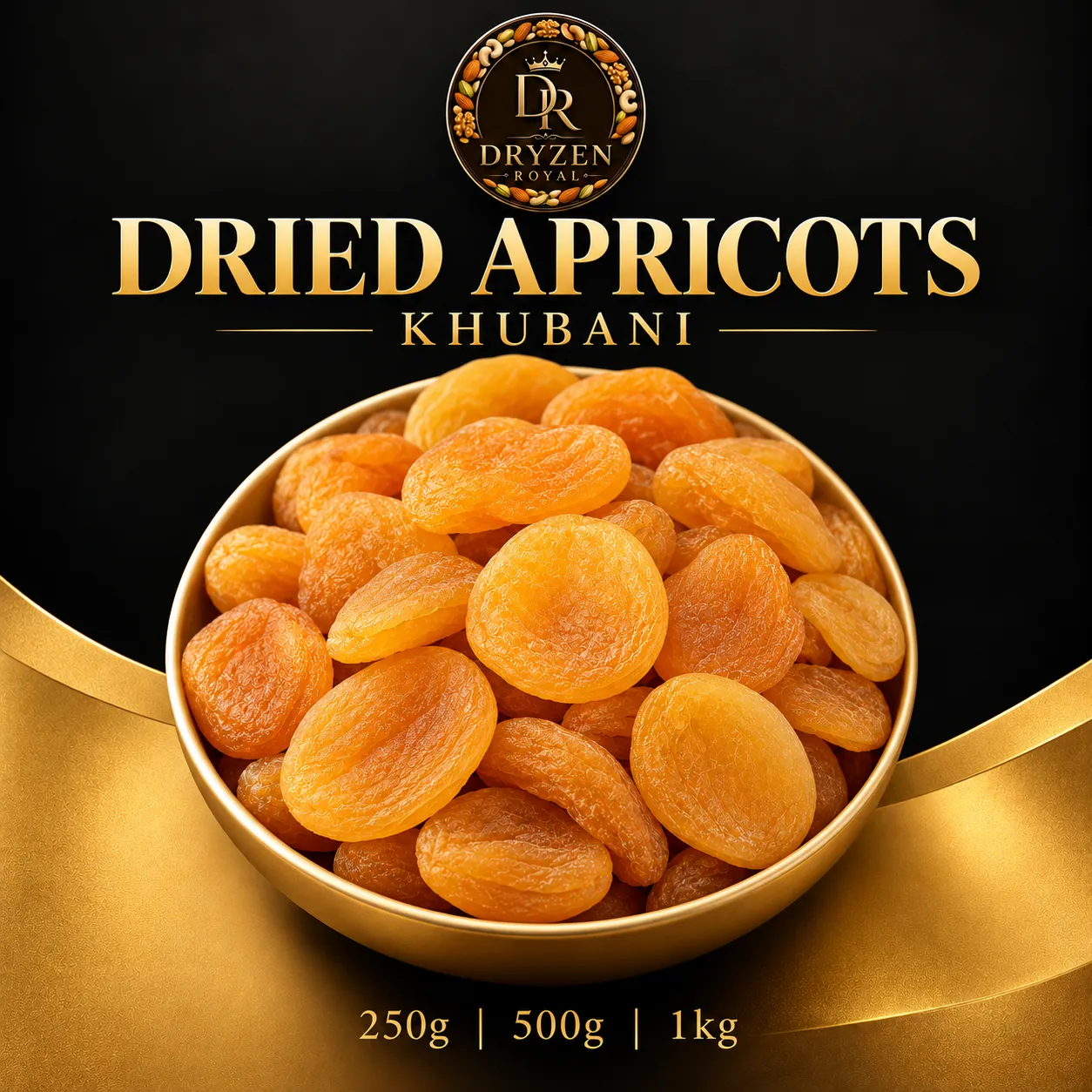
Explore Dried apricots at Dryzen Royal and choose a pack size that suits your household's use and storage space.
No. Inspect condition and storage history separately; clear spoilage is not corrected by separating pieces.
No. Rehydration changes handling needs; soften only the portion planned for use.
Stop and inspect. Remove stones, stalks and fragments before cutting edible flesh.
Use only what the recipe includes and measure it; an untracked coating changes the formula.
Questions about this article?
Email us and we will get back to you.
Explore more
