- 100% Natural
- Premium Quality
- No Preservatives
- Fresh & Healthy
A practical budgeting sheet for a gifting batch, using real listing and checkout values rather than invented prices.
Dry fruit gift budget planning becomes clearer when you separate the number of gifts from the cost of each selected format. A total amount in your head can hide packaging additions, recipient changes or charges shown later at checkout. A small worksheet keeps those decisions visible before you place an order.
This guide uses actual listing, quote and checkout values rather than inventing prices. It does not state Dryzen Royal's current charges, discounts or delivery terms. A dry fruit gift budget should be built from the exact products and quantities you intend to buy.
List recipients or recipient groups and mark how many separate gifts are needed. Twelve people do not always mean twelve boxes if the plan is one shared household gift, but that choice should be explicit.
Keep uncertain recipients in a separate line rather than silently adding them to the main count. A change from ten to twelve gifts affects the whole plan even when the product price remains the same. Confirm the count before comparing formats.
Some occasions call for one consistent presentation, while others have clearly different groups. If using different formats, give each group its own row. Do not average all gifts together so early that the more expensive line disappears.
The goal is a clear plan, not a judgement about how much a recipient deserves. Use the occasion, practical needs and your chosen total limit to guide the format. Keep personal preferences separate from arithmetic.
If the total available amount is B and the number of gifts is N, B divided by N gives a provisional all-in amount per gift. This is a planning calculation, not a product quote.
For twelve gifts, divide the actual total cap by twelve. Then remember that any shared costs still need to fit inside that cap. A product whose listed price equals the whole provisional amount leaves no room for additional items unless none are needed.
You may choose to reserve some of the total for uncertain costs or an extra recipient. Set that amount according to your own plan, not a universal percentage. Write it on the sheet so it is not accidentally spent twice.
A dry fruit gift budget is easier to manage when the reserve is a named line. If it is never needed, it remains unspent or can support a deliberate final change. It should not become an excuse for untracked accessory purchases.
Use fields for product name, exact option, unit quantity, current unit price, line total and source date. Include the listing or quote reference so you can check what the value described.
A plain item name may not identify pack size or gift format. Record the selected variant and described contents. Do not infer net food weight from box dimensions or assume every compartment contains the same amount.
If unit price is P and quantity is Q, the line total is P multiplied by Q before any separately stated adjustment. Use the displayed currency and exact current values.
Do not insert a remembered price from a previous order or a different pack. If the listing changes before purchase, update the row and review the total. A worksheet is useful only when its inputs match the actual decision.
Ribbon, cards, outer packaging or other additions may be supplied, optional or bought separately depending on the actual product and your arrangement. Check the listing rather than assuming either inclusion or extra cost.
If you add your own accessories, record their actual cost and quantity. A small item multiplied across many gifts can matter. Keep decorative choices proportionate to the total plan and the product's existing presentation.
A single shared purchase, such as a pack of cards, may not be used fully in one gifting batch. Decide whether your worksheet tracks total cash spent or the portion consumed for this event, and label that choice.
Both can be useful, but they answer different questions. Do not mix them without explanation. A dry fruit gift budget that tracks cash outlay should show what you actually pay, while a usage-cost view needs a clear allocation method.
Use the actual checkout or quote for any delivery, service, tax or discount lines. Some values may be included in displayed prices, while others may appear separately. Do not add a charge twice or subtract a discount at both item and order level.
This guide does not create a delivery promise, discount entitlement or tax rule. Read the current transaction details and published terms. If something is unclear, resolve the question before treating the estimate as final.
A simple planning structure is product line totals plus separately listed charges and chosen accessories, minus applicable recorded discounts. Add the named contingency if it is part of the cap.
Use only values that apply to the actual order. Symbolic letters can help explain the structure, but the final worksheet needs real inputs. A dry fruit gift budget should not look precise while resting on guessed charges.
A gift box and hamper can differ in contents, packaging and intended presentation. Compare the actual described products, not only external size or a photograph. Price per weight may be useful when valid data exists, but it does not explain every presentation difference.
If two options serve different purposes, state that on the sheet. One may be a shared family gift and another an individual token. A fair comparison starts with the recipient need and documented contents rather than declaring the lowest number automatically best.
For a larger self-assembled batch, make one complete example before buying many accessories. Check ribbon length, card size and outer protection. Use actual materials and quantities rather than estimating every component from a photo.
Do not claim that a product includes your added styling when sharing a mock-up. Keep the current listing separate from your own presentation choices. This avoids both budgeting confusion and inaccurate expectations.
If recipients or formats change, revise the rows and total before ordering. Do not just add a note at the bottom and leave the earlier calculation untouched. A small version date can help when several family members review the plan.
Keep one current worksheet rather than several contradictory screenshots. A dry fruit gift budget is most useful when everyone making a decision can see the same selected quantities and remaining cap.
Enter the actual order total, payment status and any documented adjustment. Compare with the plan and note the reason for differences. Keep the confirmation and invoice with the worksheet.
Do not replace the actual transaction value with a later product price. The final record should explain what was bought, not what a similar item costs today. This makes future planning more useful without inventing a store-wide pricing trend.
Mark the chosen format, confirmed count and final all-in amount from actual records. Keep unresolved questions visible rather than hiding them in an average. If the plan exceeds your cap, adjust quantity, format or optional additions deliberately.
A gifting worksheet works best as a simple decision sheet. The worksheet should make actual choices and costs easier to understand, without promising savings, stock or delivery conditions that the current transaction does not establish.
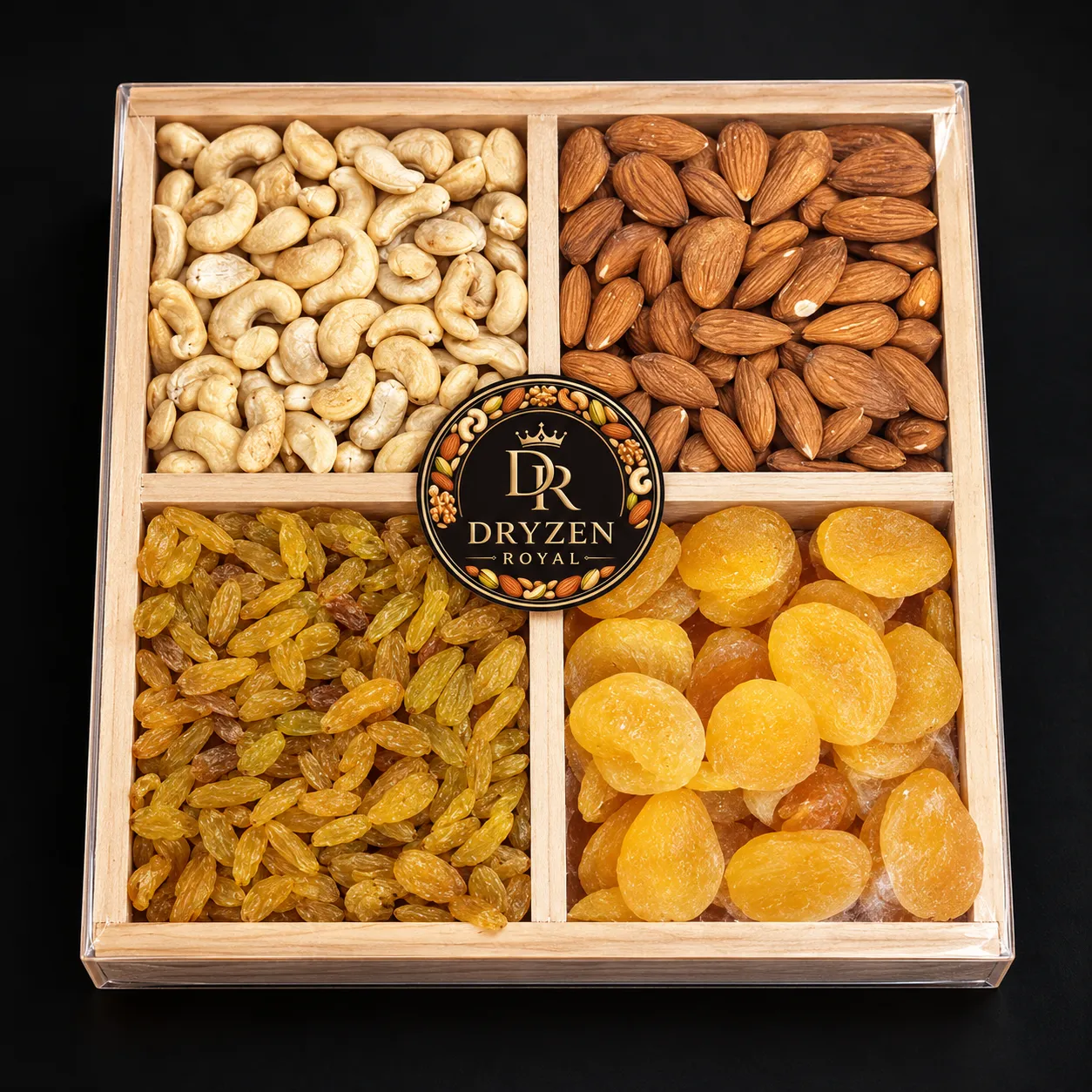
Compare the presentation purpose with gift box and hamper formats. After ordering, use checking an order invoice to reconcile the actual transaction.
Explore the Square dry fruit gift box and other Dryzen Royal gifting options, then enter the current listed values and actual checkout details in your plan.
Include only actual applicable costs and chosen additions, keeping a named reserve if you want one.
No. Use the listing's stated contents and net-weight information where available.
Only where the actual transaction applies it; avoid subtracting the same adjustment twice.
Update quantities and the full total before ordering, rather than leaving the old calculation with a vague note.
Questions about this article?
Email us and we will get back to you.
Explore more
