- 100% Natural
- Premium Quality
- No Preservatives
- Fresh & Healthy
A simple home label system for transferred nuts, seeds and dried fruit, preserving original information without inventing shelf lives.
Dry fruit pantry labels help a household identify what is in a jar, which pack it came from and when it was opened. They are especially useful when several nuts, seeds or dried fruits sit in similar opaque containers. A neat shelf is easier to use when its information is as clear as its appearance.
The label should preserve the original product details, not replace them with an invented keeping period. Opening date and printed date information mean different things. Dry fruit pantry labels work best as a small consistent system that everyone in the kitchen can read and update.
Before transferring food, read and retain the product name, ingredients, relevant allergen information, date markings and storage directions. A short jar label may not fit everything, so keep the original pack or a clear photograph linked to the container.
Do not assume two products with the same common name have identical ingredients. Roasted salted cashews and plain cashews are different preparations. A mixed pack may also vary by the actual listed assortment, so use the current label rather than memory.
A useful basic label can show product name, preparation or variant, opening date and a reference to the original pack information. Add a household container code only if it genuinely helps.
Too many fields can make the system difficult to keep current. Begin with information you can verify and update. A half-completed decorative template is less useful than a plain readable note with accurate contents.
Write “opened” beside the household date so it is not confused with the manufacturer's marking. Copy any printed date wording accurately, including whether it is a best-before or another stated term.
Do not calculate a new expiry by adding an arbitrary number of days unless the product's own guidance supports that. Dry fruit pantry labels should make the source information clearer, not create a false sense of preservation after transfer.
Choose a format the household understands, such as day, written month and year, and use it consistently. Numeric dates can be interpreted differently. The important point is clarity, not a particular design style.
If a date is unknown, write that honestly and review whether the food can be identified and handled appropriately. Do not invent an opening date to make the label look complete. Uncertainty should remain visible until resolved.
Include plain, salted, roasted or another verified description where it matters. A recipe that expects unsalted nuts can be affected by a hidden seasoning difference. The jar should not force someone to taste first just to identify the product.
Use the product's wording rather than adding claims such as premium grade, organic or certified unless those are established by the actual information. A household label is not a place to improvise product marketing.
Nuts and seeds can be difficult to identify once chopped or ground. A fine almond meal and another pale powder should not share a vague label such as baking mix. Name the ingredient clearly.
A quick jar note may not replace the full allergen panel, so preserve access to it. Do not claim a reused jar is allergen-free because it was wiped. Appropriate cleaning and any individual requirements need their own care.
Avoid continuously topping a partly used jar with a new pack. That makes opening dates and product identity harder to trace. Use the older batch first or store the new one separately with its own information.
Dry fruit pantry labels become much more reliable when one container corresponds to one clearly identified batch. If you do combine, record what changed rather than leaving an old date that now describes only part of the contents.
A code such as jar A1 can help connect a container to a photo or note. It is your own location reference, not the manufacturer's batch number. Keep those fields distinct if both are used.
This distinction matters when discussing a specific product with the seller. The original pack's identifying details are more useful than a code known only in your kitchen. Preserve them rather than replacing every reference with a decorative jar name.
A refrigerator or freezer container may need a label that remains readable under cold and moisture exposure. Follow the label and container instructions. Keep adhesive outside direct food contact unless the material is specifically intended for it.
Do not put an unknown paper or ink inside the food to protect it from peeling. If an external label does not suit the surface, use another appropriate identification method. The system should not introduce materials into the contents.
Use clear names and a comfortable text size. Colour can support categories, but it should not be the only way to tell almonds from cashews or an opened jar from a reserve pack.
In a shared kitchen, different people may interpret colours differently or have difficulty distinguishing them. Plain text is more dependable. Dry fruit pantry labels should help the next person as well as the one who designed them.
Prepare the label before pouring food so the pack and jar do not become separated. Check the container is clean and fully dry. Transfer sound food with clean dry tools and attach the note immediately.
A promise to label later often becomes an unidentified jar. Keep a marker and suitable labels near the storage area so the step is easy. The routine should take little time once the fields are decided.
Empty old residue, wash according to the container's care instructions and dry fully, including lid channels. Remove or clearly replace the previous label so two product names do not remain visible.
Do not fill a damp jar and assume dry nuts will absorb the moisture harmlessly. The new label cannot correct an unfinished cleaning stage. Use a spare suitable container if the washed one is not ready.
If several people use the pantry, agree on where original pack photos or labels are kept. A small folder or note can connect container code, product and date information. It does not need a complex app.
Dry fruit pantry labels should make ordinary use easier: find the right product, close it correctly and use stock in a sensible order. Do not turn the system into a list of assumed quantities that nobody updates.
Check whether contents and label still match, whether the date is readable and whether storage directions are being followed. A quick check during ordinary use is more practical than a large separate audit for one small kitchen.
If food condition changes, respond to that directly. A clear label does not prove the food is sound, and an intact date marking does not erase unsuitable handling. Identification and condition are different questions.
Choose accurate fields, readable text and a transfer routine the household can repeat. Remove outdated labels when jars change contents and keep original product information accessible. A small system used consistently is better than an elaborate one that becomes stale.
A jar-label system becomes dependable when they preserve identity and distinguish dates honestly. These labels are a record-keeping aid, not a new shelf-life claim or a substitute for the product's actual storage guidance.
Start with the information explained in reading original product labels. For a wider shared-space stocking plan, explore organising a shared pantry.
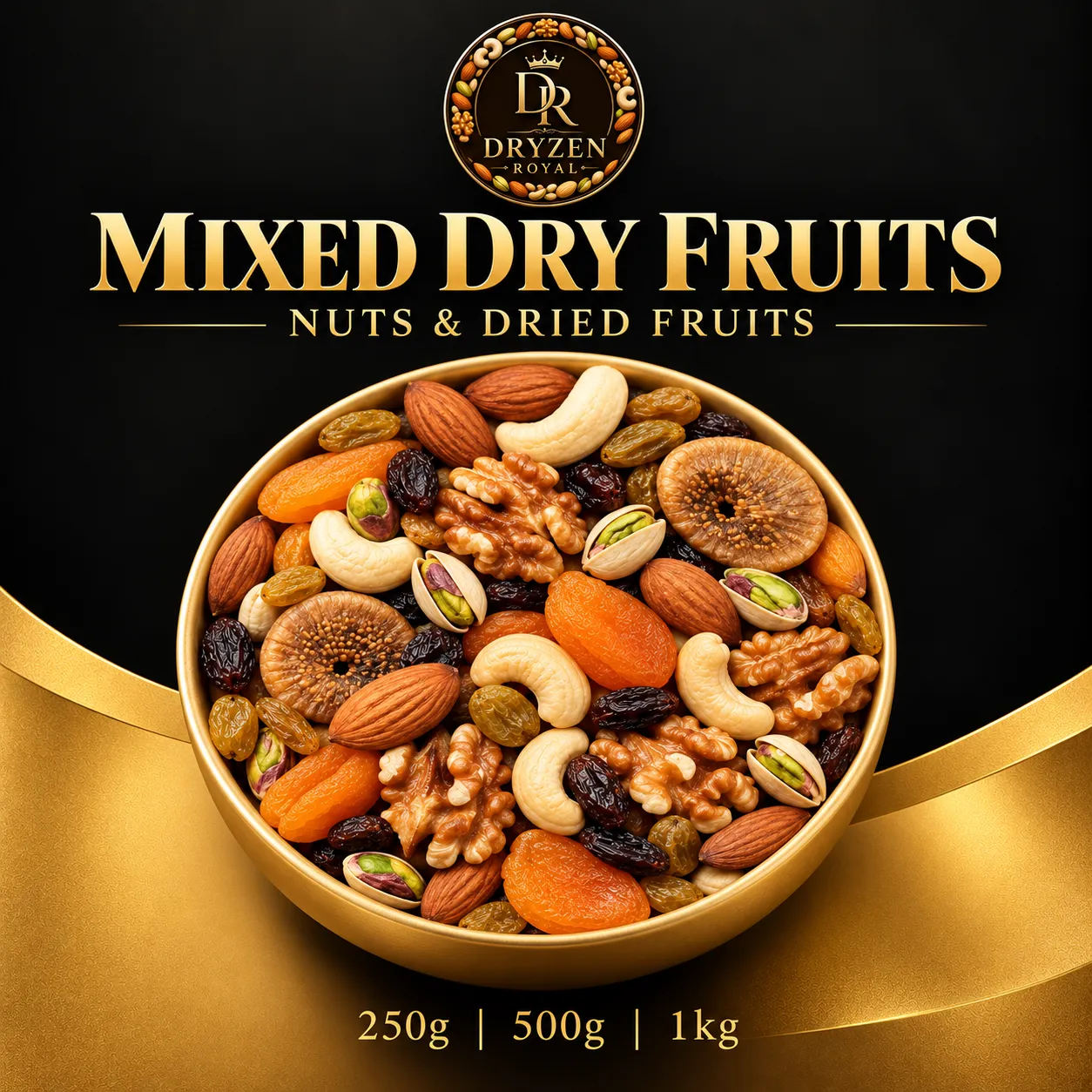
Explore Mixed dry fruits and nuts at Dryzen Royal and check the current listed contents, then preserve the actual pack information when transferring food.
No. Keep it clearly labelled and follow the original product's guidance rather than inventing a new period.
That makes tracing harder. Keep batches separate where practical or record the change clearly.
No. Keep your location code distinct and preserve the actual pack identifiers.
Use readable text too, especially in shared kitchens where colours may be interpreted differently.
Questions about this article?
Email us and we will get back to you.
Explore more
