- 100% Natural
- Premium Quality
- No Preservatives
- Fresh & Healthy
Use dry fruit recipe costing to calculate ingredient shares, usable weights and batch portions. Build a clear worksheet without relying on invented prices.
Dry fruit recipe costing turns a shopping receipt into a clear share of ingredients used in one batch. It is useful for a home celebration, a repeated bake or an early business plan. The calculation should use actual purchase information rather than invented market rates.
This guide explains ingredient arithmetic, not a guaranteed selling price or profit margin. A recipe can have a clear ingredient cost while packaging, time and other expenses remain to be considered separately.
For each pack, record product name, preparation, net weight, actual purchase cost and date. Keep receipts or current confirmed quotes as the source.
Check whether the product includes shells, pits, coatings or a mixed assortment. Those details affect the usable amount and whether the ingredient suits the recipe.
Do not copy a price from an old article simply because it names the same nut. Product, weight and timing may differ.
A recipe asking for kernels needs edible kernel weight. A shell-on pack does not provide an identical usable quantity.
Use a reliable product-specific yield or measure a practical sample if appropriate. Avoid declaring one universal shell-to-kernel ratio.
Our pistachio usable-weight guide explains that distinction. Correct arithmetic cannot fix the wrong weight basis.
Divide the recipe quantity by the usable pack quantity. Multiply that fraction by the pack cost.
For example, using 80g from 500g is a share of 0.16. Multiply the actual pack cost by 0.16 rather than inventing a price in the worksheet.
If the ingredient is purchased by kilogram, convert to grams consistently before calculating. Mixing kilograms in one column with grams in another creates a large avoidable error.
List nuts, fruit, flour, dairy, eggs and seasonings separately. A small spice quantity still has a cost, but use a sensible measurement method rather than pretending to know a precise figure you did not measure.
If a recipe uses half a pack, the share is straightforward. If it uses a mixed assortment, you cannot assume a fixed amount of one component unless the contents are known.
Sum the calculated ingredient shares for one complete recipe. Keep the original quantities beside the cost column so another person can check the work.
When adapting a recipe, update both quantity and cost. Leaving the original nut quantity in one column while doubling the cost in another creates a worksheet that looks detailed but is inconsistent.
Our price-per-100g guide provides a comparison method for shopping. Batch costing is a later step based on what the recipe actually consumes.
A tray cut into twelve pieces has a different per-piece share from the same tray cut into sixteen. State the portion definition clearly.
Count usable finished pieces rather than assuming every trial gives the printed yield. Broken edges, test portions or trimming may matter for your intended use.
Do not hide a failed batch inside an optimistic portion count. Record what happened and decide how trial costs are handled separately.
Packaging, labels, electricity or gas, transport, labour and waste may need their own rows for a business calculation. They are not automatically included in the ingredient total.
A selling price also depends on business decisions and actual circumstances. This article does not establish a required margin or promise profitability.
For personal hosting, you may only need a clear shopping total and likely leftovers. Do not make the worksheet more complicated than the decision requires.
Unused sealed stock is not all consumed by one recipe. Keep the remaining quantity in inventory rather than charging the full pack to every batch.
At the same time, genuinely unusable material has to be understood. Stems, shells and spoiled ingredients are different categories and should not be combined without thought.
Store remaining ingredients appropriately so the worksheet is not undermined by poor handling. Keep dry reserve packs away from wet preparation tools.
When prices or pack sizes change, save a new version rather than silently overwriting every past figure. That makes comparisons meaningful.
Check formulas using one simple known fraction before relying on a larger sheet. A clean layout and consistent units are more useful than many decorative columns.
Avoid publishing made-up current prices, nutritional values or ranking claims with the worksheet. Accurate inputs and transparent calculations make the result trustworthy.
Collect actual pack weights and purchase records before entering any cost figures. Weigh and inspect before starting the hot stage, then close the source packs. Small prepared bowls reduce interruptions and make accidental double additions less likely. If you pause midway, mark which ingredients have already entered the mixture.
Calculate usable ingredient shares before dividing the finished batch into portions. Allow the component that needs cooling or resting to begin first. Keep the next piece of equipment ready so the transition is controlled. The clock is useful for planning, but the stated texture and appearance remain the more important cooking cues.
Check the arithmetic against one measured recipe rather than several imagined variations. Make one measured correction, mix thoroughly and reassess. A small test portion helps prevent an irreversible adjustment across the whole recipe. Keep notes on the preparation used, because a different product or pan can explain a different result.
Keep the worksheet dated and distinguish ingredient costs from broader business expenses. Plan the serving container and storage space before making a larger batch. Do not assume twice the ingredients fit safely into the same pan or cool in the same time. Protect the reserve from repeated handling and label any transferred food clearly.
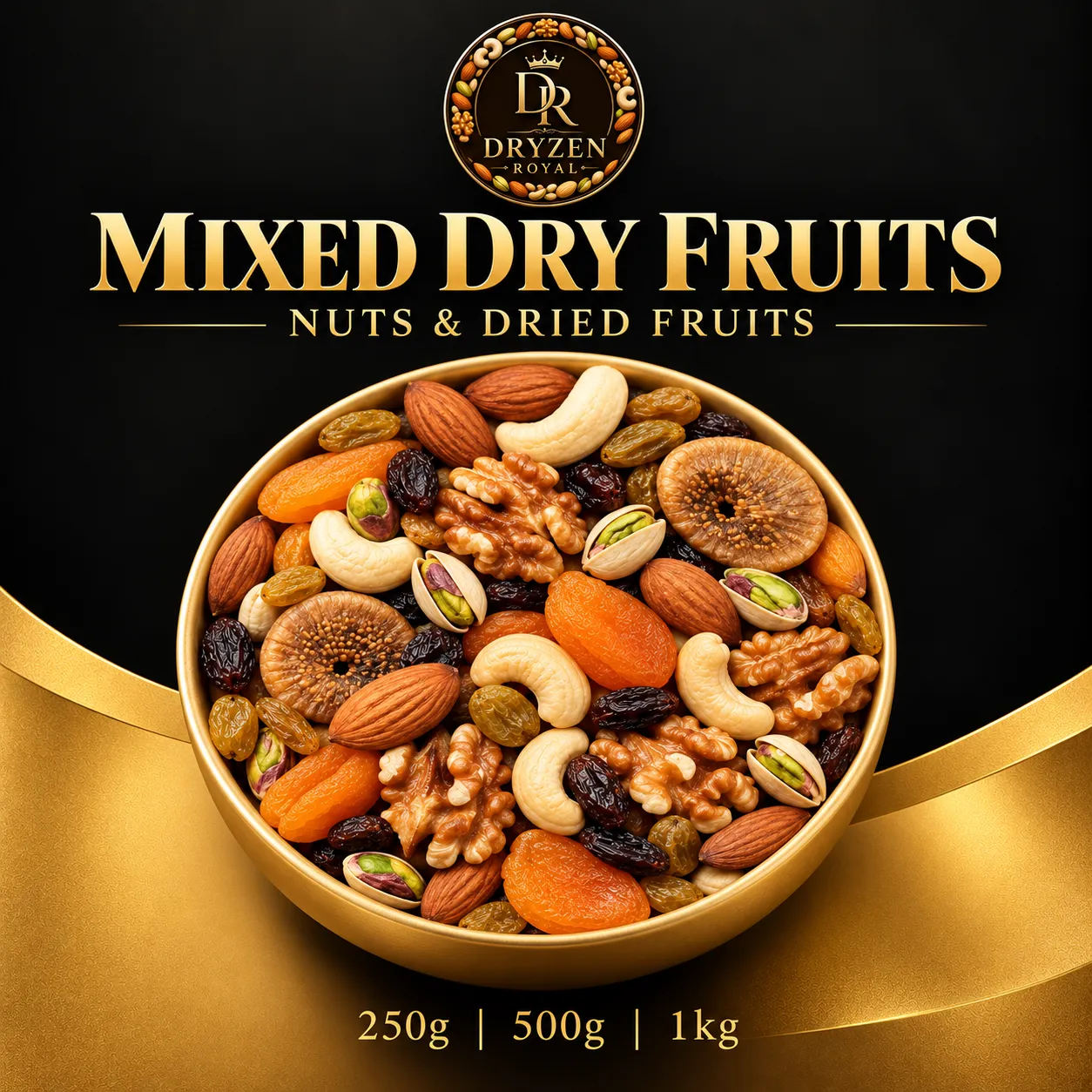
Explore Mixed Dry Fruits & Nuts when planning dry fruit recipe costing. Check the current preparation and pack information, choose the quantity your recipe needs, and keep the remaining dry ingredients stored as directed.
No. Separate the edible ingredient weight from its container and decorations.
Use your actual current purchase information or a current confirmed quote.
No. Packaging, labour, energy, waste and other business costs are separate considerations.
Account for the actual usable yield rather than assuming every gram of shell-on product is edible.
Questions about this article?
Email us and we will get back to you.
Explore more
