- 100% Natural
- Premium Quality
- No Preservatives
- Fresh & Healthy
A material-aware cleaning routine for food-safe serving boards, without assuming every decorative surface can touch food.
Dry fruit serving board care starts with the material and finish, not a single cleaning trick for every surface. Wood, bamboo, slate, glass and plastic can have different limits. A decorative board or gift-box lid is not automatically suitable for direct food contact.
The practical aim is to remove crumbs and oil, wash as appropriate, dry fully and store without trapping moisture. Dry fruit serving board care also includes checking cracks, chips and worn finishes before the next platter is arranged. A surface that looks attractive should still be fit for its intended use.
Read the manufacturer's care instructions if available. Check whether the board is designed for food service, cutting, decoration or another purpose. Those uses are not interchangeable simply because the object is flat.
If instructions are missing and the finish is uncertain, use a known food-safe plate or suitable liner that is appropriate for the food and surface. Do not infer suitability from colour, weight or the word wooden in a product description.
Save the label or photograph the care instructions before discarding packaging. A simple household note can identify whether dishwasher use, soaking or oiling is permitted. That is more useful than trying to remember a generic rule months later.
Do not apply a care method from one board to another without checking. A sealed composite surface may tolerate something an unfinished wooden board does not. Material-specific guidance should lead the routine.
Move untouched reserve food to appropriate storage before the board reaches the sink. Food that has been handled on a shared platter should not automatically return to the original pack. Keep its identity and handling history clear.
Remove loose crumbs with a suitable dry tool or paper. Do not scrape with a sharp blade that damages the finish. Nuts and dried fruits can leave small fragments around handles, grooves or feet, so check those areas too.
If cheese, yogurt, fruit or dips joined the board, handle their storage needs separately. A dry-nut platter and a mixed dairy board do not share one simple room-temperature rule.
Use bowls for wet accompaniments where practical on the next occasion. That keeps moisture from spreading into a porous surface and makes cleanup easier. It also helps preserve the intended texture of dry crackers or nuts.
For a board suitable for handwashing, use the recommended mild cleaning method and avoid leaving food residue in grooves. Rinse appropriately and dry promptly. Do not soak wood or bamboo unless the manufacturer specifically permits it.
A dishwasher may damage some boards or finishes. Only use it when the product is rated for that treatment. Dry fruit serving board care is not improved by the hottest or longest cycle if the material cannot tolerate it.
Do not put a wooden or uncertain board into an oven or microwave to dry it quickly. Heat can damage material or finish, and an object intended for serving is not necessarily cookware.
Use a suitable drying position with air around the surface. Stand or support as the design allows, keeping it stable. A damp board laid flat against a worktop can hold moisture underneath even when the top seems dry.
Nuts can leave visible oil traces. Begin with the board's normal cleaning method rather than an abrasive scrub or strong solvent. A mark may need a gentle repeat wash, but aggressive treatment can create a rougher surface that is harder to clean later.
Do not mix household chemicals or use a product not intended for the material and food-contact setting. Follow labels and rinse requirements. A strong smell is not proof of a better cleaning result.
A harmless colour mark, a sticky residue and a cracked surface are different issues. Do not assume every stain is mould, but do not ignore abnormal changes either. If unsure, seek the manufacturer's advice or use another serving surface.
Dry fruit serving board care should not hide damage under oil or decoration. A new ribbon, liner or glossy finish does not automatically repair a board that is no longer suitable for direct food use.
Inspect the surface, edges and underside after drying. Deep cracks, splinters, chipped glass or unstable feet can make the board unsuitable. Do not keep using a damaged surface simply because it holds a small amount of dry food.
A repair product must be appropriate for the actual material and intended food contact. Do not fill a crack with an unknown glue and assume the board is restored. When suitability is uncertain, replacing or repurposing away from food may be more practical.
Some wooden boards benefit from a specified food-contact-safe board-care product, while other finishes should not be oiled. Use the manufacturer's recommendation rather than pouring ordinary cooking oil over every surface.
Apply only to a clean dry board as directed and allow the required time before food use. A thick oily layer can transfer to food and collect residue. More product is not automatically better maintenance.
Put the board away only when dry on all sides. Choose a clean storage area away from persistent damp and strong heat. Avoid wedging it tightly between wet trays or against a hot appliance.
Dry fruit serving board care becomes easier when storage is part of the routine rather than an afterthought. A board cleaned carefully and then trapped damp can develop a new problem before the next use.
A board used for ready-to-eat nuts and dried fruit should not move straight from raw meat preparation to a platter without appropriate cleaning and handling. Separate tools or clearly managed uses reduce confusion.
Do not claim a board is allergen-free because it was wiped after nuts. Cleaning needs and individual requirements can be more demanding than a quick surface pass. Use suitable dedicated arrangements when serving someone who must avoid an ingredient.
Before adding food, make sure the board is clean, dry, stable and suitable. Put small bowls down first for wet items, then arrange dry foods with clean utensils. Keep labels or ingredient information available if the selection is not obvious.
Do not cover a damp surface with food and hope the nuts absorb it. That changes their texture and hides the unfinished drying stage. A spare known food-safe plate is better than rushing an uncertain board into service.
Store the care product, suitable brush or cloth and instructions where they are easy to find. A simple routine is more likely to happen than an elaborate ritual used once. Clean promptly so sticky fruit residue does not dry into a groove.
Record any material limits that are easy to forget, such as no soaking or no dishwasher. In a shared household, a clear note can prevent accidental damage by someone trying to help.
Gift boxes, painted trays and display props can look ideal in photographs without being intended for direct food contact. Use them according to their actual purpose. A suitable separate plate or container can preserve presentation without assuming an unknown finish is food-safe.
Dry fruit serving board care is a material-aware habit: identify, clear, wash appropriately, dry and inspect. Those practical steps matter more than a universal home remedy or a shiny surface that hides the board's condition.
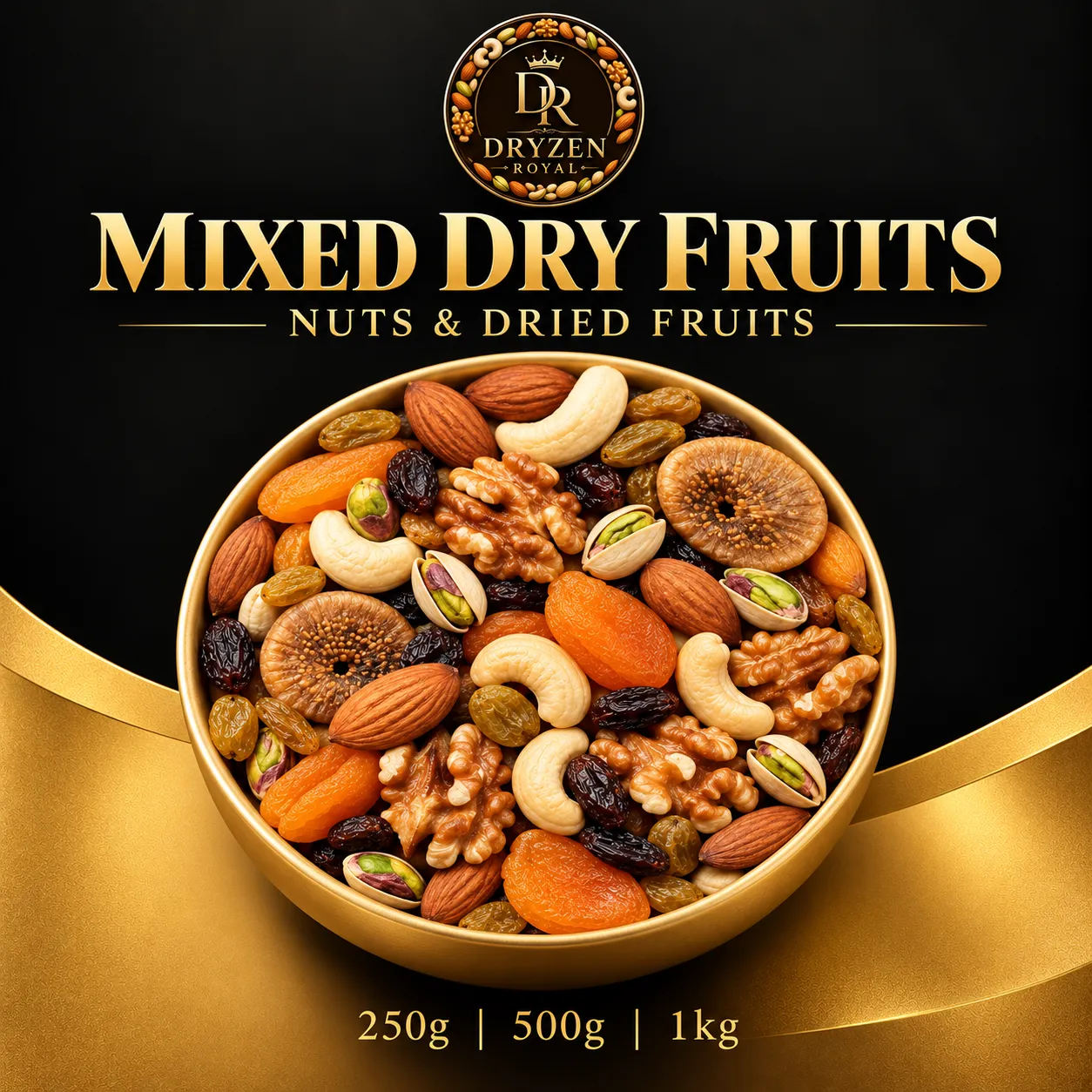
Use planning a dry-fruit platter when arranging food, then pair the board with the clean tools described in serving scoops and tongs.
Explore Mixed dry fruits and nuts at Dryzen Royal and check the current listed contents before planning a shared serving board.
No. Use surfaces intended and suitable for direct food contact, checking the material and finish.
Do not improvise heat drying. Follow the manufacturer's care method and allow appropriate airflow.
Only use it when the board is rated for it; some materials and finishes can be damaged.
No. Assess damage separately and use only appropriate repair or replacement decisions.
Questions about this article?
Email us and we will get back to you.
Explore more
