- 100% Natural
- Premium Quality
- No Preservatives
- Fresh & Healthy
A small guided tasting focused on flavour and texture, with labelled samples and a simple observation sheet.
Dry fruit tasting flight planning turns a few small samples into a useful comparison of aroma, bite and finish. Instead of placing a large mixed bowl on the table, you serve labelled portions in a deliberate order and note what each person notices. The goal is to understand preferences, not declare one nut or fruit universally superior.
Start with a manageable selection and keep strong drinks or sauces out of the first round. A dry fruit tasting flight can fit a small family gathering, a gift-selection discussion or a quiet comparison before choosing ingredients for cooking. Clear labels and modest quantities matter more than elaborate decoration.
Decide what you want to learn before buying samples. You might compare four plain nut types, two cuts of the same nut or a small set of dried fruits. Combining many variables at once makes the notes difficult to interpret.
For example, comparing a salted roasted cashew with a plain raw almond tells you about several differences, not just nut type. If the aim is a fairer single-variable comparison, keep seasoning and preparation as similar as practical. Record differences that cannot be controlled rather than pretending they do not exist.
Four samples are enough for a first round. Larger flights can tire attention and make later impressions less clear. Choose actual products whose ingredient information you can check, and do not assume a mixed pack always contains the same assortment.
Read the current listing and labels. If the selection is for a gift, the recipient's known preferences and dietary needs should guide it. A tasting is not an appropriate way to test whether somebody reacts to an ingredient they need to avoid.
For four people comparing four nuts, a starting amount such as 8 g of each sample per person gives 32 g of nuts to each participant across the flight. This is a practical tasting setup, not a nutritional recommendation. Adjust or reduce according to the rest of the meal and individual needs.
Use scales if you want a repeatable exercise. For dried fruit, cut suitable pieces after removing stones or hard stalks, and keep the prepared weight clear. A large date and a small raisin are not equivalent units simply because both count as one piece.
Give each sample a name or number and keep its ingredient information available. If using numbers to reduce expectations about price or brand, do not hide allergen information. Participants still need to know what they are eating.
Write down product type, preparation, seasoning and pack details in a separate note. This helps explain later differences. A dry fruit tasting flight becomes more useful when the sample can be identified again rather than remembered only as “the third bowl.”
Check packaging and the food's condition. Visible mould, abnormal odour or other clear spoilage signs are reasons not to serve a sample. Tasting is not a method for proving questionable food safe.
Use clean dry dishes and utensils. Do not mix a suspect item into a larger bowl or try to improve it by roasting. The exercise should begin with sound food handled according to its storage guidance.
If nuts have been stored cold, allow the closed container to approach a suitable serving temperature before opening where condensation is a concern. Moisture on the surface can affect texture and aroma.
Do not leave perishable accompaniments out for a long period. The dry samples may have different handling needs from yogurt, cheese or fresh fruit added later. Keep those separate and follow their own storage guidance.
Begin with milder plain samples, then move toward stronger roasted, salted or intensely sweet ones if they are part of the selection. This is a practical sequence, not a rigid rule. If all samples are similar, a simple numbered order is enough.
A dry fruit tasting flight can be split into nut and dried-fruit rounds. That avoids a very sweet fruit immediately before a subtle plain nut. Offer plain drinking water between samples and allow a short pause rather than rushing from bowl to bowl.
Plain water is usually sufficient for a small first round. A simple unsalted cracker can be optional if its ingredients suit the participants, but it adds another food and should not dominate.
Keep strong chai, coffee, chocolate or spicy snacks for a second pairing round. They can be enjoyable, yet they change the initial impression. Separate the question “what does this sample taste like?” from “what does it pair well with?”
Use three short headings: aroma, texture and finish. Aroma might be mild, toasted or fruity. Texture might be crisp, tender, chewy or dry. Finish describes what remains after swallowing, such as a lingering roast note or a short sweet impression.
Do not force technical language. A personal note like “pleasant small crunch, easy to use on yogurt” is useful. A dry fruit tasting flight should help decisions in an ordinary kitchen, not require professional tasting vocabulary.
Someone may prefer a softer dried fig while another likes a firmer piece. That is a preference, not automatic proof of quality or freshness. Likewise, a darker roasted nut is not always better or worse for every use.
Avoid scoring health benefits or making medical claims from taste. Flavour does not establish nutritional content, certification or safety. Keep the notes about what was observed and what each person enjoyed.
After the first round, ask where each sample might work: a garnish, a pastry filling, a snack bowl or a gift selection. A nut that feels too coarse for a cream filling may still be useful chopped over vegetables.
A dry fruit tasting flight is especially helpful when the final purpose is clear. If choosing for baking, consider how chopping or cooking changes texture, while recognising that the tasting alone does not test the finished recipe. A small cooking trial may still be needed.
Use separate spoons or small individual plates so hands do not repeatedly enter shared bowls. Refill modest amounts from a clean reserve rather than putting the entire pack on the table.
If participants write notes, give them a simple sheet before starting. Keep pens and paper away from open food. A quiet few minutes for individual impressions can be followed by discussion, reducing the chance that one strong opinion directs everybody else's answer.
Return untouched reserve food to appropriate closed storage, keeping original labels or clear identifiers. Do not pour mixed tasting leftovers back into separate packs. Once samples have been handled or combined, their identity and storage history have changed.
Record the date and the main preference findings. A guided tasting works best as a small, repeatable exercise: labelled sound samples, measured portions and honest notes. The result is a clearer choice for your own table or gift, without pretending one score decides the best product for everyone.
For a separate pairing exercise, explore chocolate and dry-fruit pairing. Use choosing serving utensils to arrange clean scoops and small dishes.
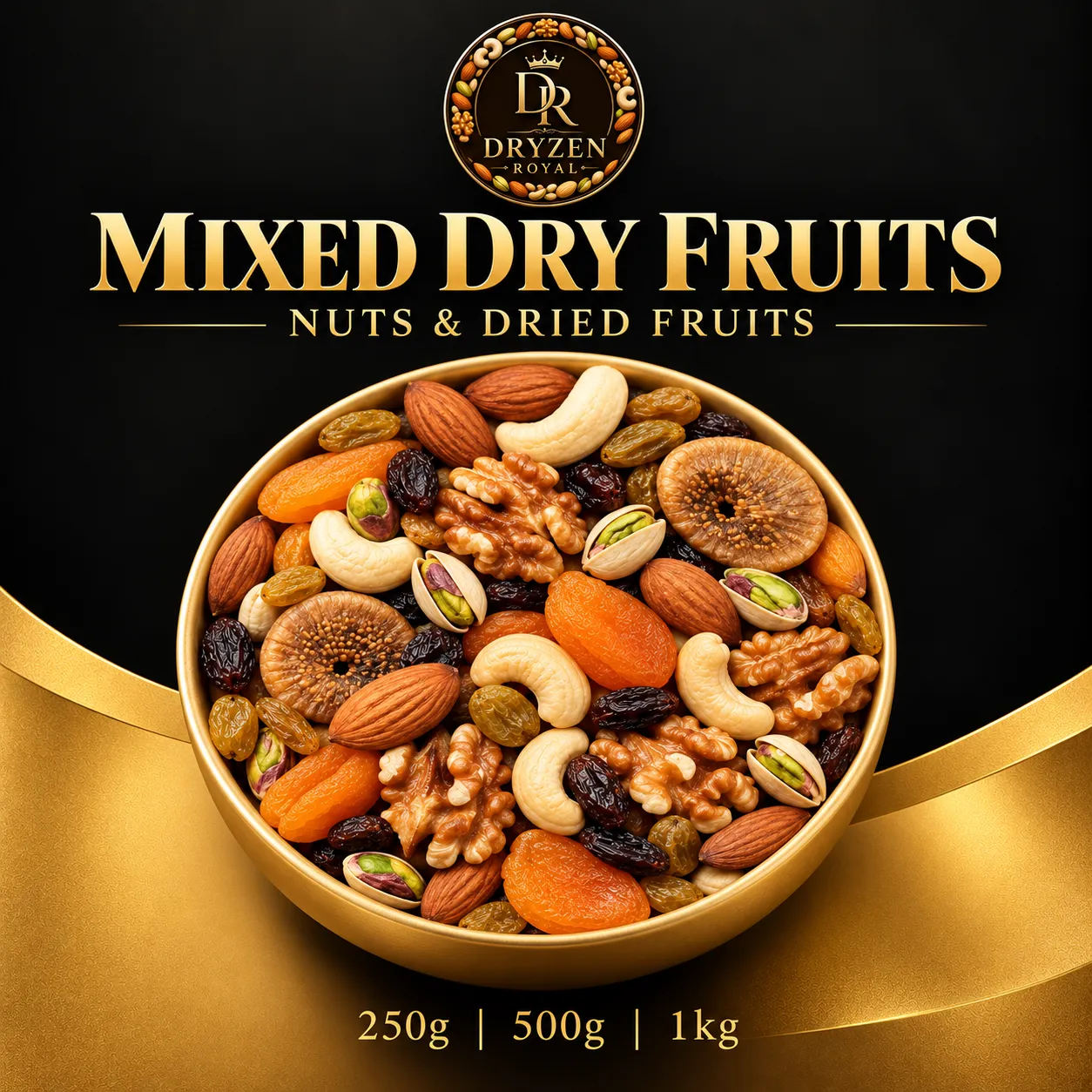
Explore Mixed dry fruits and nuts at Dryzen Royal, check the current listed contents and choose a small selection for your own clearly labelled tasting.
Four is a manageable starting point, keeping the comparison focused and portions modest.
Do not hide allergen information. Numbers may reduce brand expectations, but ingredients must remain clear.
No. Preference and condition are different; inspect food separately and avoid serving questionable samples.
Keep them for a later pairing round so the initial flavour impressions are easier to distinguish.
Questions about this article?
Email us and we will get back to you.
Explore more
