- 100% Natural
- Premium Quality
- No Preservatives
- Fresh & Healthy
A six-glass trifle with softened dried fruit, cooled custard, sponge and a separately added nut topping.
Dry fruit trifle is a layered dessert built from sponge, custard, cream and small pieces of softened dried fruit. Individual glasses make it easier to control the layers and serve guests without digging through a large bowl. A separate nut topping adds contrast without becoming wet during a long chill.
The method is mainly about preparation and temperature. The custard must be cooked according to its own instructions and cooled before assembly. Dried fruit needs enough softening to suit a spooned dessert, while the sponge should not be flooded with every drop of soaking liquid.
Choose six clean dessert glasses of about 180ml to 220ml capacity. Do not fill to the brim; leaving space makes serving and carrying easier. Allow about 30 minutes of preparation plus time to cool the components and chill the assembled dessert.
Use ready-made custard according to its label, or cook a custard recipe you already trust. The 500ml quantity refers to prepared custard, not dry powder. Check the sponge and custard ingredients for guests rather than assuming every version has the same composition.
Use containers suitable for food and refrigeration. Very narrow tall glasses can make layering and eating awkward, while an oversized bowl encourages excessive portions. A small spoon should reach the base comfortably.
Clear glasses show the layers, but that is a presentation choice rather than a requirement. Small covered food-safe tubs can be more practical for a picnic-style meal where refrigeration and transport are properly arranged.
Inspect the raisins and apricots, remove stems or hard fragments and chop the apricots into small pieces. Put them in a heatproof bowl and add the 100ml hot water. Leave until pliable, usually around ten to fifteen minutes depending on the fruit.
Drain thoroughly, keeping a little of the liquid separately only if you intend to moisten a dry sponge. Let the fruit cool before assembly. Wet hot fruit is not ready to sit between cold cream and custard.
Our dried-fruit preparation guide explains how different fruits respond to softening. In this dessert the fruit should be comfortable to eat with a spoon, not dissolved into puree.
Cut larger softened pieces again if needed. A whole large apricot hidden under cream makes the dessert harder to portion. Small pieces distributed through the layers give each spoonful a more even mixture.
Do not return any softened fruit to the original dry pack. Once water is introduced, it belongs with the prepared components and needs different storage. Keep the dry reserve away from wet utensils.
Prepare the custard according to its product or recipe instructions. Transfer to a suitable shallow container, cover as appropriate and cool promptly before refrigerating. Do not assemble the dessert around a deep pan of still-warm custard.
Cut the sponge into small cubes or thin pieces that fit the glasses. Fully baked plain sponge is useful because it does not compete with the fruit. A strongly frosted cake introduces extra sweetness and a different moisture balance.
If the sponge is very fresh and soft, it may need no added liquid. If it is dry, plan only a teaspoon or two of cooled fruit liquid per glass. You can add a little later, but cannot remove a puddle once the layers are built.
Whip the cold cream in a clean bowl until it holds soft peaks, adding optional icing sugar and vanilla if desired. Stop before it becomes grainy. The aim is a soft spoonable layer rather than a stiff decorative frosting.
Cream products differ in whipping ability and storage instructions. Use one intended for whipping and follow its label. A pouring cream that does not whip is not corrected simply by prolonged beating.
Keep the cream chilled until you are ready to layer. If the kitchen is hot, work in small groups of glasses rather than leaving every dairy component on the counter throughout preparation.
Divide half the sponge among the six glasses. Add a small amount of optional fruit liquid only where needed. Spoon in some custard, then a portion of the drained fruit.
Repeat with the remaining sponge and custard, keeping the layers roughly even between glasses. Finish with a modest spoonful of whipped cream. Leave the chopped nuts separate for now.
Use a clean spoon for each component where practical. Wipe obvious smears from the glass rim before chilling, rather than trying to clean the inside after the dessert has set. Do not press every layer down heavily.
Divide the fruit into six approximate portions before assembly if you want consistency. Otherwise, the first glasses can receive most of it and the final ones very little. A small kitchen scale can help when preparing a larger gathering.
The layers do not need to be perfectly straight to taste good. Even distribution and suitable moisture matter more than a complicated decorative pattern.
Cover and refrigerate the glasses at 4°C or below until cold. Keep them protected from raw foods and strong refrigerator odours. Bring out only the servings you need instead of displaying the full batch for an extended warm gathering.
Add the chopped nuts just before serving for a clearer texture contrast. Our pistachio garnish guide offers cutting ideas. Very large nut chunks can be awkward in a small soft dessert, so chop them finely.
If guests prefer no nuts, leave the topping off their portion before serving and check all other ingredients. Omitting a visible garnish does not automatically establish allergy suitability.
If your dry fruit trifle becomes watery, review whether the fruit was drained, the custard was sufficiently thick and all components were cool before assembly. Extra sponge can absorb liquid but does not explain why the problem happened.
If the cream melts into the custard, temperature is a likely issue. If the fruit stays tough, the softening stage was too short for that pack. Test the prepared components before layering, when adjustments are still straightforward.
For a less sweet version, begin with an unsweetened cream layer and avoid additional syrup. Do not claim the dessert is sugar-free: the fruit, sponge and custard all contribute ingredients that need accurate description.
Make only the number of glasses you can refrigerate and serve conveniently. Keep an ingredient note for wheat, eggs, milk and nuts where relevant. Store any spare components separately rather than repeatedly taking apart finished glasses.
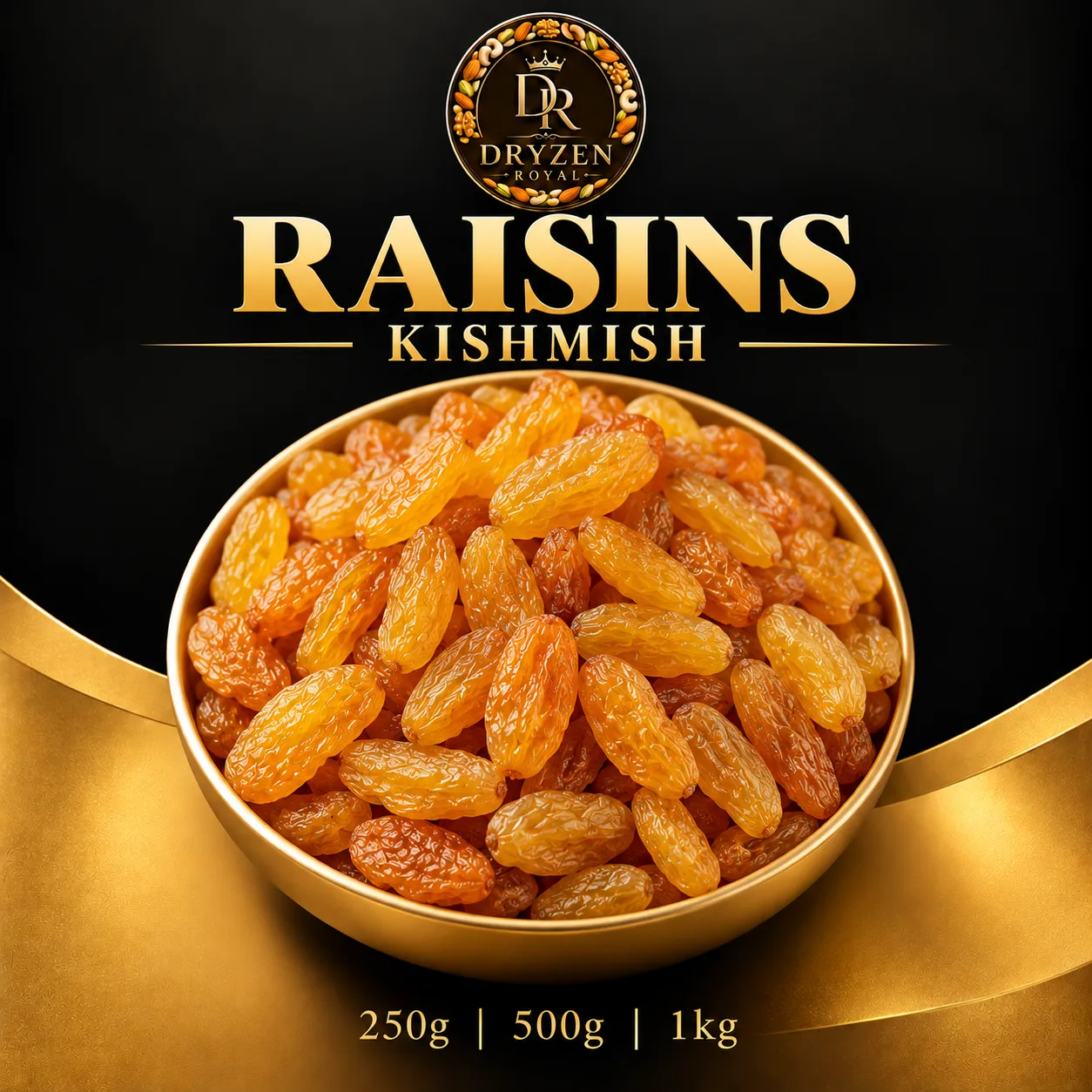
Explore Dryzen Royal Premium Raisins for your next dry fruit trifle. Check the current fruit details and keep the unused kishmish dry and sealed while the prepared dessert stays refrigerated.
Very firm fruit is better softened first, then drained. Hard pieces can be awkward beside a soft custard and sponge.
No. Cool the custard properly before layering so it does not melt the cream or trap excessive heat in the glasses.
Avoid pouring it all in automatically. Excess liquid can make the base soggy; use only a small measured amount if the sponge needs it.
Add them near serving if you want a distinct crunch. Keep the reserve dry and separate from the chilled dessert.
Questions about this article?
Email us and we will get back to you.
Explore more
