- 100% Natural
- Premium Quality
- No Preservatives
- Fresh & Healthy
Make makhana cutlets with cooked potato, crushed fox nuts and measured spices. Follow chilling, shaping and pan-cooking cues for small savoury patties.
Makhana cutlets combine cooked potato with lightly roasted crushed fox nuts. Small flattened portions are pan-cooked until the outside sets and colours. The makhana adds texture while the potato holds the mixture together.
This is a savoury snack recipe rather than a substitute for every type of cutlet. Moisture and portion thickness determine whether it turns cleanly. Cool the potato before mixing and test one piece before committing the whole batch.
Allow twenty minutes to prepare, a short chilling period and approximately fifteen minutes to cook in batches.
Check breadcrumb ingredients. This formula should not be labelled gluten-free without considering that addition and the actual products used.
Warm makhana in a dry pan over gentle heat until crisp when a cooled piece is broken. Transfer out and cool.
Crush to small crumbs using a suitable processor or mortar. Large hard chunks interrupt the patty and can catch during turning.
Our makhana preparation guide gives other dry-snack ideas. A wet potato mixture has different handling needs.
Mash the potato by hand until no large firm pieces remain. Avoid prolonged machine blending, which can change texture.
Fold in crushed makhana, herbs, spices, salt and lemon. Let the mixture stand briefly so you can judge cohesion before adding breadcrumbs.
Press a spoonful into a small patty. If too wet to hold, add crumbs gradually. If crumbly, check whether the potato was mashed enough before adding liquid.
Cover and refrigerate for about twenty minutes. This makes a warm-kitchen mixture easier to handle, but it does not replace starting with cooled potato.
Divide into eight similar pieces and flatten to roughly 1.5cm thickness. Press cracked edges together gently.
Keep portions small enough for the spatula to support. One very wide thin patty is more fragile than the intended snack size.
Warm a thin oil layer over medium heat. Add a few patties with space between them.
Leave until the underside forms a golden surface before turning carefully. Move too early and the soft mixture may tear.
Cook the second side until coloured and the centre is hot throughout. Reduce heat if the outside browns much faster than the middle warms.
Use the first small piece to assess salt and spice. Adjust the remaining uncooked mixture only after tasting a cooled cooked sample.
If the patty feels heavy, review moisture and breadcrumb quantity rather than adding extra oil. A thick binder layer can hide the fox-nut texture.
Rest briefly on a suitable rack or draining surface. Offer a modest chutney or yogurt sauce separately to preserve the surface.
For a different small baked patty, our pumpkin seed falafel uses chickpeas and a different binder.
Keep wet garnish off reserve portions. A dressed patty becomes softer and less convenient to reheat.
Cool leftovers promptly and refrigerate covered at 4°C or below. Reheat the portion needed thoroughly.
Check the makhana, crumbs and sauces for relevant ingredients. Plain appearance does not establish universal allergy suitability.
Keep dry makhana separate from potato utensils. For a larger batch, allow pan space and cooling containers rather than only multiplying the ingredient list.
Begin with a clear working space. Cook and cool the potato before mixing so the binder is not warm and wet. Set the measured ingredients beside the equipment before heating anything, and keep the original packs outside the wet preparation area. This makes it easier to distinguish a measured recipe portion from the unused reserve.
Roast and crush the makhana while preparing a clean tray for shaped portions. Keep a short written order of tasks if several components are involved. A bowl that is ready early can be covered or chilled as appropriate while another stage finishes. Avoid leaving perishable ingredients on a warm counter simply because the next step is not ready.
Pan-cook one small test patty to assess cohesion and seasoning before shaping the whole bowl. Assess a small prepared sample before changing the whole batch. Record the original quantity and the adjustment so a successful result can be repeated. Changing several ingredients at once makes it harder to identify what improved the texture or flavour.
Serve with sauce separately and refrigerate cooked reserves without salad or wet garnish. Bring out a manageable serving amount and keep the reserve protected. Use clean utensils for the finished food and retain the source ingredient information for anyone sharing it. Packaging and storage should match the prepared dish, rather than the dry ingredient from which it began.
Make the first patty slightly smaller than the planned portions. Let it cook and cool enough to break open safely. Check whether the centre holds without feeling gummy and whether the crushed fox nuts are comfortable to eat. This reveals more than squeezing raw mixture repeatedly in your hand.
If the test breaks, add a small measured amount of binder, rest briefly and try again. Do not add a whole extra bowl of crumbs at once. The aim is enough support to turn cleanly while keeping a recognisable potato-and-makhana texture.
For a larger gathering, shape portions on a covered chilled tray and cook in manageable rounds. Keep raw-mixture tools separate from the plate receiving finished patties, even when all the base vegetables began cooked.
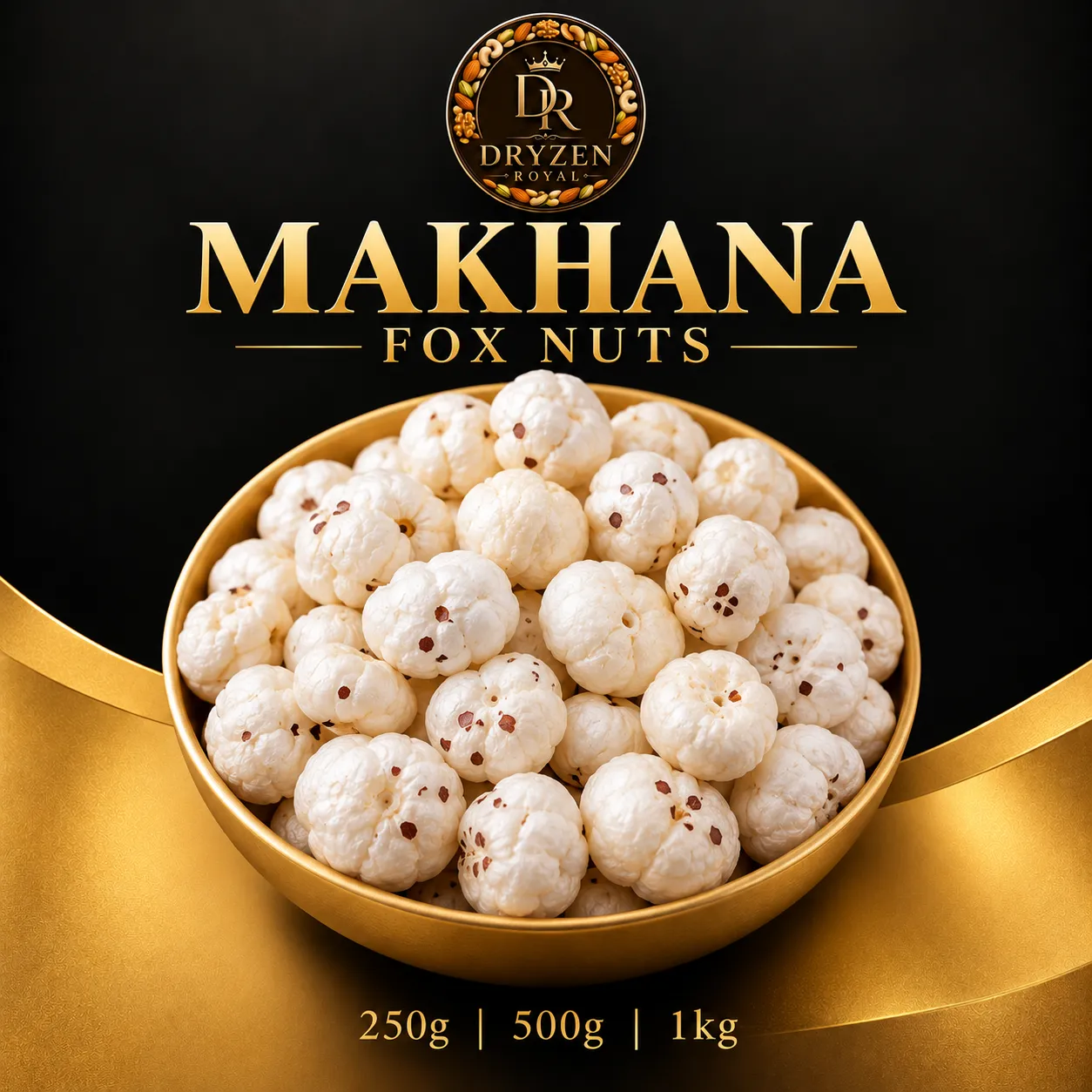
Explore Makhana (Fox Nuts) when planning makhana cutlets. Check the current preparation and pack information, choose the quantity your recipe needs, and keep the remaining dry ingredients stored as directed.
Use fully cooked cooled potato as specified. Raw pieces need a different cooking method.
A fine coarse crumb works; large hard pieces can make shaping and eating awkward.
Check mixture moisture, patty size and whether the first side had time to set.
Check its salt and coatings. Plain fox nuts give more control over the seasoning.
Questions about this article?
Email us and we will get back to you.
Explore more
