- 100% Natural
- Premium Quality
- No Preservatives
- Fresh & Healthy
A baked falafel-inspired chickpea and seed recipe using cooked chickpeas, a short chilling stage and gently handled portions.
Pumpkin seed falafel combines cooked chickpeas, herbs and kaddu beej in small baked patties. This is a home-kitchen adaptation rather than traditional deep-fried falafel made from soaked uncooked chickpeas. The cooked-chickpea method is convenient, but moisture control and gentle shaping are important if you want pieces that hold together.
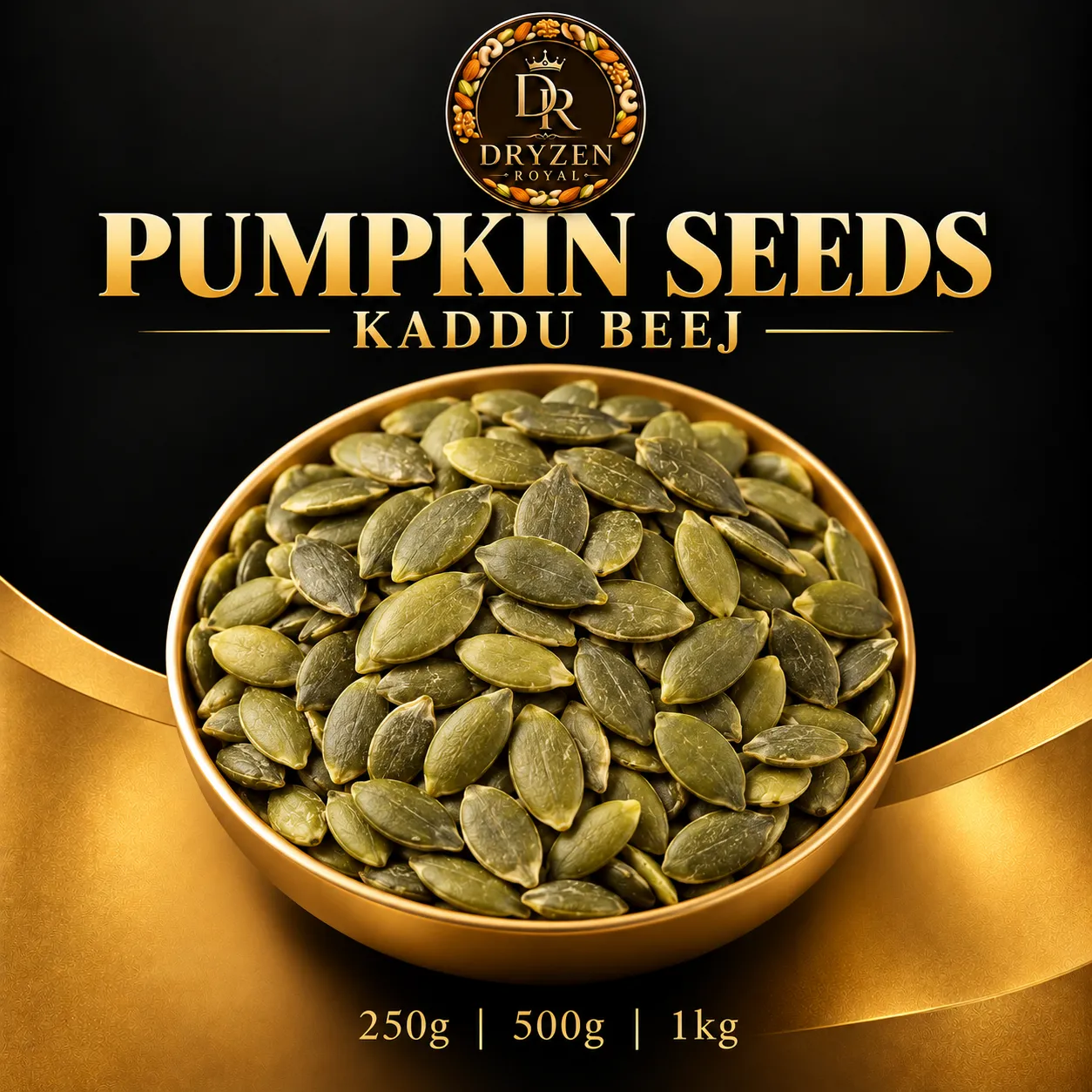
The seeds give a coarse bite without requiring a large quantity of nuts. Serve a few pieces in a wrap, beside salad or with a separate yogurt sauce. The method explains how to judge the mixture before adding flour, because a wet puree can become heavy if it is corrected with too much dry binder.
The batch makes about 12 patties, depending on portion size. Allow around 25 minutes for preparation, 20 to 30 minutes of chilling and approximately 25 to 30 minutes of baking. These timings assume small flattened portions rather than large burger shapes.
Use chickpeas that are already fully cooked, whether canned or prepared at home. Do not substitute dry chickpeas directly into this formula. Drain them thoroughly and cool if freshly cooked before weighing.
Use shelled pumpkin kernels and check their roasting and seasoning details. Salted seeds change the initial salt requirement. Seeds surrounded by hard outer shells are not the ingredient intended for this mixture.
Our pumpkin seed kernels versus whole seeds guide explains the distinction. Weigh the edible portion rather than assuming the same pack weight provides the same usable quantity.
After draining and rinsing canned chickpeas, spread them on a clean towel or suitable kitchen paper and pat the surface dry. The aim is to remove clinging water, not to dehydrate them completely. A wet layer around each chickpea becomes extra liquid in the processor.
Chop the onion roughly and pat away any excessive surface moisture. Wash herbs, dry them well and remove thick stems. Wet herbs can contribute more liquid than their small measured weight suggests.
If using home-cooked chickpeas, check that they are tender but not sitting in cooking broth. Keep the cooking liquid separate. This recipe does not need an added ladle of aquafaba or stock to help the machine turn.
Put the pumpkin seeds in the processor and pulse to coarse crumbs. Remove about half to a bowl if you want more control over the final texture. Add chickpeas, onion, garlic and herbs to the machine.
Pulse briefly, scraping down with the machine stopped. Stop when the mixture holds together when pressed but still shows small pieces. Avoid running continuously until it becomes a smooth hummus-like puree.
Transfer to a bowl and stir in the reserved seed crumbs, spices, salt, flour, baking powder and lemon juice. Mix evenly with a spoon. Let it stand for five minutes before checking whether it needs any correction.
Press a small spoonful into a patty. It should hold without slumping into a puddle or falling into dry crumbs. If very wet, add flour a teaspoon at a time and reassess after a short rest.
If it is crumbly, first press it firmly enough and check whether the chickpeas were processed sufficiently. A teaspoon of water can help a genuinely dry mixture, but a large pour creates a new problem. Small adjustments are easier to understand.
Cover and refrigerate for about 20 to 30 minutes. Chilling helps the mixture become easier to portion, although it cannot turn a watery blend into a completely different dough.
Heat the oven to 200°C conventional or around 180°C fan. Line a metal tray and brush lightly with oil. A deep casserole dish does not give the same exposed surface as a shallow tray, so use the intended equipment.
Divide the mixture into 12 pieces and form patties approximately 1.5cm thick. Keep the thickness consistent so one piece does not dry while another remains soft. Press the edges together gently to prevent obvious cracks.
Arrange with space between them and brush the tops lightly with oil. You are coating the surface, not soaking each patty. A little oil supports colouring but does not replace sufficient cooking time.
Bake for approximately 15 minutes before turning carefully with a thin spatula. Continue for another 10 to 15 minutes, until both sides have colour and the centres are hot and set. Let the first side establish a crust before trying to move it.
If a piece sticks, give it a little more time rather than tearing it from the tray. Check the oil coverage and lining when repeating the recipe. Do not assume a damaged non-stick surface behaves like fresh baking paper.
Rest for five minutes before serving. The pieces become a little firmer as they settle. These will have a softer middle than many deep-fried versions, so judge them against the intended baked style.
Use a few patties with lettuce, tomato and a little sauce in a flatbread. Keep very wet fillings modest if the wrap needs to sit briefly before eating. Serve additional sauce beside the plate rather than flooding the bread.
For a distinct toasted seed condiment, see our pumpkin seed dukkah recipe. Add only a small pinch and account for its seasoning; it is not required for the patties to work.
If serving guests, list wheat and any ingredients in the sauce or bread. Seed-based does not automatically mean free from relevant allergens. Check the actual packaged products and the person’s needs.
Cool leftovers promptly and refrigerate in a clean covered container at 4°C or below. Store salad, bread and yogurt sauce separately. Reheat the patties thoroughly in an oven or suitable appliance, checking the centre.
For a longer reserve, freeze cooled portions with separation between them before packing. Thaw in the refrigerator when appropriate and expect some texture change. Avoid repeatedly reheating the same serving.
If your first batch is heavy, review moisture and processing before increasing baking powder. If it crumbles, check mixture cohesion and portion size. Keeping notes on drained chickpea weight is more useful than changing every spice.
For consistent portions, weigh the finished mixture and divide that number by twelve before shaping. A small kitchen scale is useful here because equal-looking spoonfuls can differ when one contains more chickpea pieces. Similar patties are easier to turn together and assess at the same stage.
Explore Dryzen Royal Pumpkin Seeds for your next pumpkin seed falafel. Confirm the kernels and preparation, measure the batch carefully and keep the dry seed reserve away from wet utensils.
No. This is a baked adaptation made with cooked chickpeas and pumpkin kernels. Its texture differs from falafel made with soaked uncooked chickpeas.
Drain, rinse and dry their surfaces first. Excess liquid makes the mixture harder to shape and can require too much added flour.
Leave small pieces. A uniform puree tends to produce a heavier texture and loses the contrast from the seeds.
Small evenly sized pieces are easier to bake consistently. Larger patties need a different timing and more careful centre checks.
Questions about this article?
Email us and we will get back to you.
Explore more
