- 100% Natural
- Premium Quality
- No Preservatives
- Fresh & Healthy
Small shell-shaped cakes with finely ground pista, lemon zest and a practical cold-batter method.
Pistachio madeleines are small shell-shaped cakes with tender centres, lightly browned edges and finely ground pista throughout the batter. They suit a short afternoon baking session because the portions are small, but they do ask for a specific pan and a little patience while the batter chills. This version uses lemon zest rather than heavy flavouring so the nuts remain easy to notice. Serve pistachio madeleines in a single layer to protect their delicate edges.
A pronounced hump is enjoyable, but it should not become the only measure of success. Pan shape, batter temperature and oven performance all affect it. The more useful targets are a soft crumb, a clean release from the mould and edges that are golden without becoming hard. Make one measured batch before changing the flour, fat or sugar.
You will need a standard 12-cavity madeleine pan, a small saucepan, mixing bowls, a whisk, a flexible spatula and a fine grater. Silicone moulds may release easily but often brown differently from metal. This method is written for a metal pan. Put the pan on a flat baking sheet if it is thin or awkward to handle when full.
The quantities make about 16–20 standard madeleines, depending on the cavity size. Prepare the pan for a second round rather than filling the first one too deeply. Allow around 20 minutes for mixing, at least one hour for chilling and roughly 9–12 minutes per oven batch. Cooling and cleaning the pan between rounds also needs a little time.
Use the edible kernels rather than weighing nuts in their shells. Remove every shell fragment before grinding. Pulse the kernels with a spoonful of the measured flour to keep the mixture loose. Stop before it becomes a paste. A slightly speckled green-brown colour is normal; do not expect the vivid colour of a cake made with added colouring.
Melt the 70 g butter over low heat and set it aside until warm rather than hot. Whisk the eggs and sugar for about two minutes until foamy and slightly thickened. This is not a full sponge-cake whipping stage. Stir in the lemon zest and vanilla. Sift the remaining flour with baking powder and salt, then fold it into the eggs with the ground pistachios.
Pour in the melted butter in two additions, folding from the bottom so it does not sit beneath the batter. Stop once the mixture is even. Cover and refrigerate for at least one hour, or overnight if you plan to bake the next morning. Keep raw-egg batter refrigerated; do not taste it before baking.
Brush a thin film of softened butter into every groove, including the narrow end of each shell. Dust lightly with flour, then tap out the excess over the sink. A thick flour layer leaves pale patches and does not improve release. Chill the prepared metal pan while the batter rests so the coating stays in place.
If your pan has a dark nonstick finish, begin checking earlier because its edges may colour quickly. Follow the manufacturer's maximum temperature and care instructions. A damaged coating is not repaired by adding more grease. Use a pan in good condition and avoid scraping the grooves with a knife when releasing the cakes.
Heat the oven to 200°C conventional or around 180°C fan. Spoon cold batter into the prepared cavities, filling each about three-quarters full. There is no need to spread it into every ridge; it will settle as it warms. Keep the remaining bowl of batter in the refrigerator while the first batch bakes.
Bake near the centre of the oven for 9–12 minutes. Look for lightly browned edges, a top that springs back gently and a centre without wet batter when tested with a thin skewer. Opening the door very early can disturb the rise. Once the cakes are set, a quick check is more reliable than allowing the edges to darken while waiting for a perfect hump.
Let the pan stand for two minutes, then gently loosen the sides and turn the cakes onto a rack. They should release with a small tap. If one sticks, use a flexible silicone edge rather than sharp metal. Cool the empty pan before washing, drying and preparing it for another round. Batter placed into a hot pan starts baking unevenly before it reaches the oven.
A greasy patch at the base usually suggests butter was not fully folded into the mixture. Tough cakes can follow repeated stirring after the flour went in. Flat cakes may reflect an underheated oven, old baking powder or warm batter. Change one likely cause at a time; adding extra raising agent immediately can produce a coarse crumb and an unpleasant aftertaste.
If the shell pattern is faint, examine how heavily the pan was floured. If the narrow tips are dry, shorten the next bake slightly and confirm the centre is still cooked. Keep a note of the weight of batter per cavity if you use the same pan often. That small detail makes repeat batches much easier to judge.
Pistachio madeleines are especially enjoyable slightly warm or on the day they are baked. Place them shell-side up so the pattern is visible. A small bowl of unsweetened tea or coffee makes a straightforward pairing. A dusting of icing sugar is optional; it is not necessary to cover the whole surface with a glaze.
For a simple party finish, brush only the rounded end with a very thin layer of melted chocolate and add a pinch of chopped pista. Let it set on baking paper. This adds another ingredient and should be included when telling guests what the cakes contain. The base recipe already includes nuts, wheat, eggs and milk ingredients.
Once completely cool, store the cakes in a sealed container away from kitchen heat. For the best texture, plan to eat them within a day or two rather than promising a long cupboard life. Follow the ingredient packaging and your local conditions. In a hot, humid kitchen, a small batch is more practical than keeping a large container near the cooker.
You can freeze cooled cakes in a closed freezer container with baking paper between layers. Label the date and recipe name. Thaw only what you need, keeping the container closed while the cakes lose their chill. A brief gentle warming can improve the eating texture, but repeated heating dries these small cakes quickly.
Orange zest can replace lemon in the same quantity. Cardamom can be added sparingly, beginning with an eighth of a teaspoon. Avoid replacing the ground kernels with a sweetened pistachio spread: its sugar, fat and moisture change the formula. If you want that flavour, serve a small amount alongside the finished cakes instead.
Pistachio madeleines become more dependable when the preparation is repeatable. Weigh the shelled kernels, keep the grinding loose, chill the mixed batter and let the pan cool between rounds. Those habits do more for a tender shell cake than an elaborate decoration or an insistence on a dramatic rise.
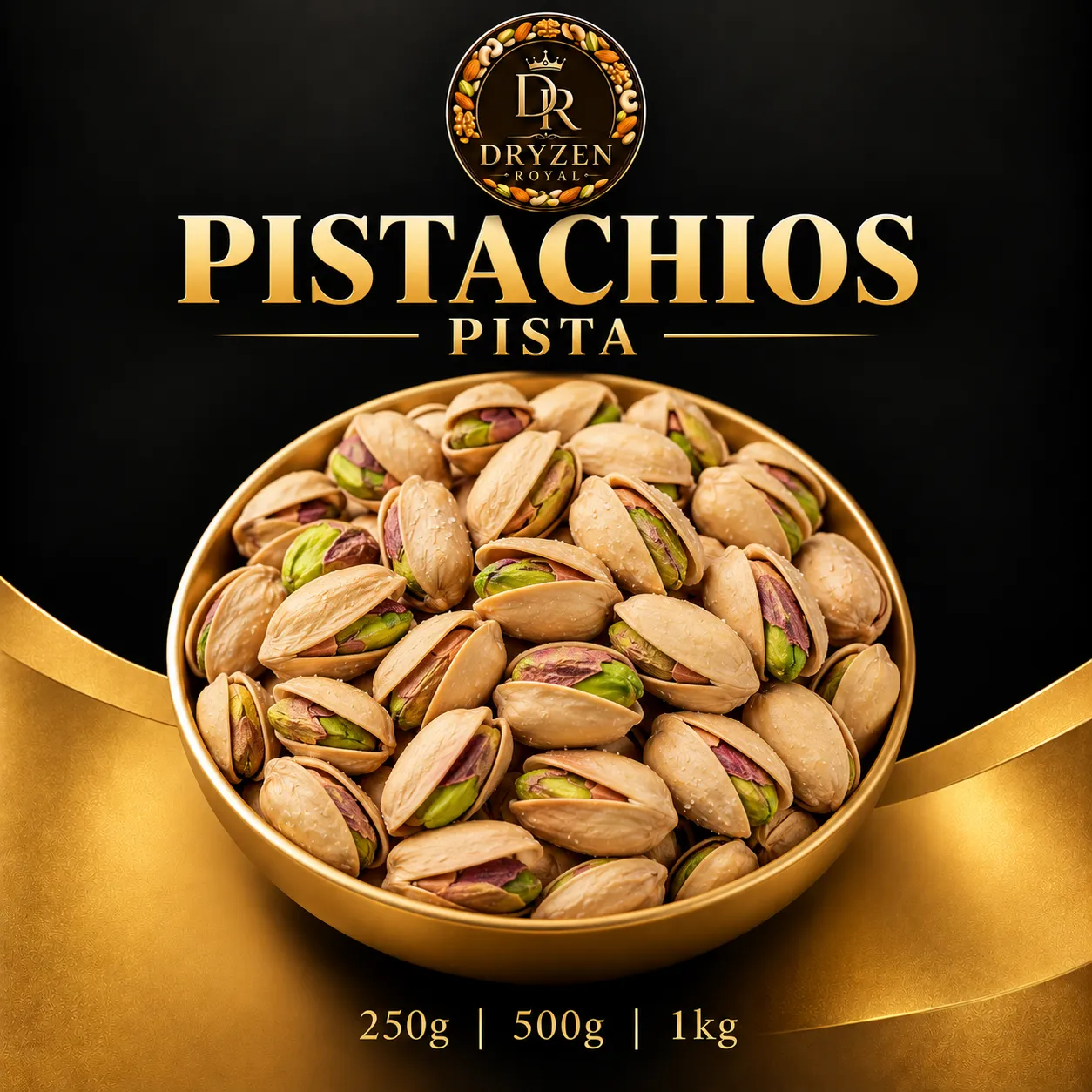
Choose your nuts with salted and unsalted pistachios, then use the pista chopping and finishing guide if you want a finer finishing sprinkle.
For your next small-batch bake, explore Pistachios at Dryzen Royal and check the product details before choosing nuts for a sweet recipe.
For pistachio madeleines, keep the second batch of batter chilled. Measure your mould before comparing pistachio madeleines yields with another recipe.
The mould creates their characteristic shell shape. A mini-muffin pan makes a different small cake and needs its own baking checks.
No direct replacement is given. The added sugar and fat change the batter; use plain ground kernels for this formula.
Check the batter's chill, oven preheating and baking powder first. The pan shape also affects the rise.
Cool, wash and prepare the pan again, and keep the remaining batter refrigerated until the oven is ready.
Questions about this article?
Email us and we will get back to you.
Explore more
