- 100% Natural
- Premium Quality
- No Preservatives
- Fresh & Healthy
Softly set cream cups with an infused pistachio flavour, designed for serving in glasses rather than unmoulding.
Pistachio panna cotta is a softly set cream dessert with ground pista infused into the warm dairy mixture. This version is served in small glasses, so it can remain tender without needing enough gelatin to stand unsupported on a plate. The aim is a gentle wobble and a clean spoonful rather than a firm jelly.
Use plain unsalted kernels and a gelatin product whose source and dietary suitability match your needs. Gelatin strengths vary, so its packet instructions matter alongside the starting quantity below. Pistachio panna cotta needs several hours in the refrigerator, making it a practical dessert to prepare before the main cooking begins.
The recipe makes about four 120 ml servings. Allow 25 minutes for preparation and at least six hours for chilling. You need a saucepan, fine sieve, blender or small processor, jug and four heatproof serving glasses. Choose glasses that are stable on a refrigerator shelf rather than tall narrow ones that tip easily.
This is a starting formula for a soft cup-set dessert, not an assurance that every brand of gelatin behaves identically. Read how much liquid your pack is designed to set and adjust accordingly. Choose a clearly labelled source, including halal suitability if relevant to your household. Agar is not a direct equal-weight replacement and needs a different method.
Pulse the 50 g pistachios until finely chopped, stopping before the mixture becomes oily. Warm the cream, milk and sugar in the saucepan over low heat, stirring until the sugar dissolves. Add the ground nuts and heat until steaming, without allowing a vigorous boil. Remove from the heat, cover and leave for 15 minutes.
The mixture will usually be a muted creamy colour rather than vivid green. Natural kernels contain brown skin as well as green flesh. Do not judge flavour by colour alone or add colouring simply because commercial desserts look brighter. This recipe relies on the nuts rather than a sweetened flavoured spread.
Sprinkle powdered gelatin evenly over 25 ml cold water in a small bowl. Leave it for 5–10 minutes, or follow the packet. It should absorb the water and swell. Pouring dry powder directly into a pan of warm cream can produce stubborn lumps that do not dissolve evenly.
Strain the infused dairy through a fine sieve into a clean jug, pressing gently on the nuts. Avoid forcing coarse particles through if you want a smooth set. Some liquid will remain with the solids, so do not squeeze so aggressively that the texture becomes gritty. Discard the strained solids or use promptly in a separate cooked recipe if appropriate.
Return the strained mixture to the saucepan and warm gently until hot enough to dissolve the bloomed gelatin. Take it off the heat, add the gelatin and stir until no visible grains remain. Add optional vanilla. Avoid boiling after the gelatin is added, and follow the product's heat guidance.
Let the mixture stand for about ten minutes, stirring occasionally, until warm rather than very hot. This helps protect serving glasses from sudden heat and allows foam to settle. It should still pour freely. If it begins setting in the jug, warm it very gently before portioning rather than forcing lumps into the glasses.
Pour equal amounts into four clean heatproof glasses. Remove surface bubbles with a spoon if wanted. Refrigerate promptly once portioned, covering when practical without letting a lid touch the surface. Do not leave dairy cups on the counter for hours while waiting for them to become completely cold.
Chill for at least six hours, preferably overnight. A slight wobble in the middle is expected. Pistachio panna cotta should not slosh like liquid, but it does not need to be rigid. Keep the glasses level so the surface sets evenly, especially if you plan to add a small garnish.
Add finely chopped nuts just before eating so they stay dry and crisp. A few thin strawberry slices can be offered beside the dessert, but a large wet fruit topping may overwhelm the delicate surface. Keep the first batch simple so you can judge the nut infusion and setting strength.
Serve pistachio panna cotta straight from the refrigerator or after only a brief time at the table. It is a dairy dessert and should not sit through a long outdoor gathering. Bring out small numbers of cups and keep the reserve chilled. Provide small spoons that fit comfortably inside the glasses.
Unmoulding requires a firmer set and introduces another variable: the shape and surface of the mould. A cup-set version lets you use less setting strength and keeps the texture softer. If you want a free-standing dessert, use a formula developed for unmoulding rather than increasing gelatin by guesswork.
Do not dip a glass dessert into very hot water merely to release it. Some glassware is not designed for thermal shock. This recipe is deliberately written to be eaten from the vessel in which it sets, simplifying both preparation and presentation.
If the mixture remains liquid after an overnight chill, check the packet quantity, whether it bloomed properly and whether it dissolved fully. A weak result does not always mean the recipe needs double the gelatin. Uneven lumps or undissolved grains can leave parts of the liquid unset.
If the dessert is rubbery, the quantity may be too high for your product's strength. Reduce carefully on the next batch using the manufacturer's guidance. Record the brand and grams used. Pistachio panna cotta becomes much easier to repeat when those details remain consistent rather than changing every time.
Sweetened pista cream adds both sugar and fat, so it cannot replace the kernels in the same weight without changing the formula. Very low-fat milk or a plant drink also changes the result. If you need a dairy-free or gelatin-free dessert, select a separate recipe developed for those ingredients.
A little vanilla is optional; strong rosewater or cardamom should be used only sparingly if added later. Too much fragrance hides the pistachio infusion. Start with the plain recipe and decide whether it needs another flavour after tasting the chilled result.
Prepare pistachio panna cotta one day before serving and keep covered in the refrigerator. For a conservative household plan, finish it within two days. This is not a validated commercial shelf life, and any fresh-fruit topping needs its own handling care. Keep raw foods and used utensils away from the finished cups.
Do not freeze this version expecting the same texture after thawing; gelatin-set dairy can release liquid and change consistency. Make the four-cup batch first and scale only after checking your gelatin product. A soft set, clear ingredient choices and dependable cold storage are the practical foundations of this dessert.
Compare pistachio paste and sweet cream before making substitutions. For a biscuit-based chilled dessert with a different setting method, explore pistachio cheesecake cups.
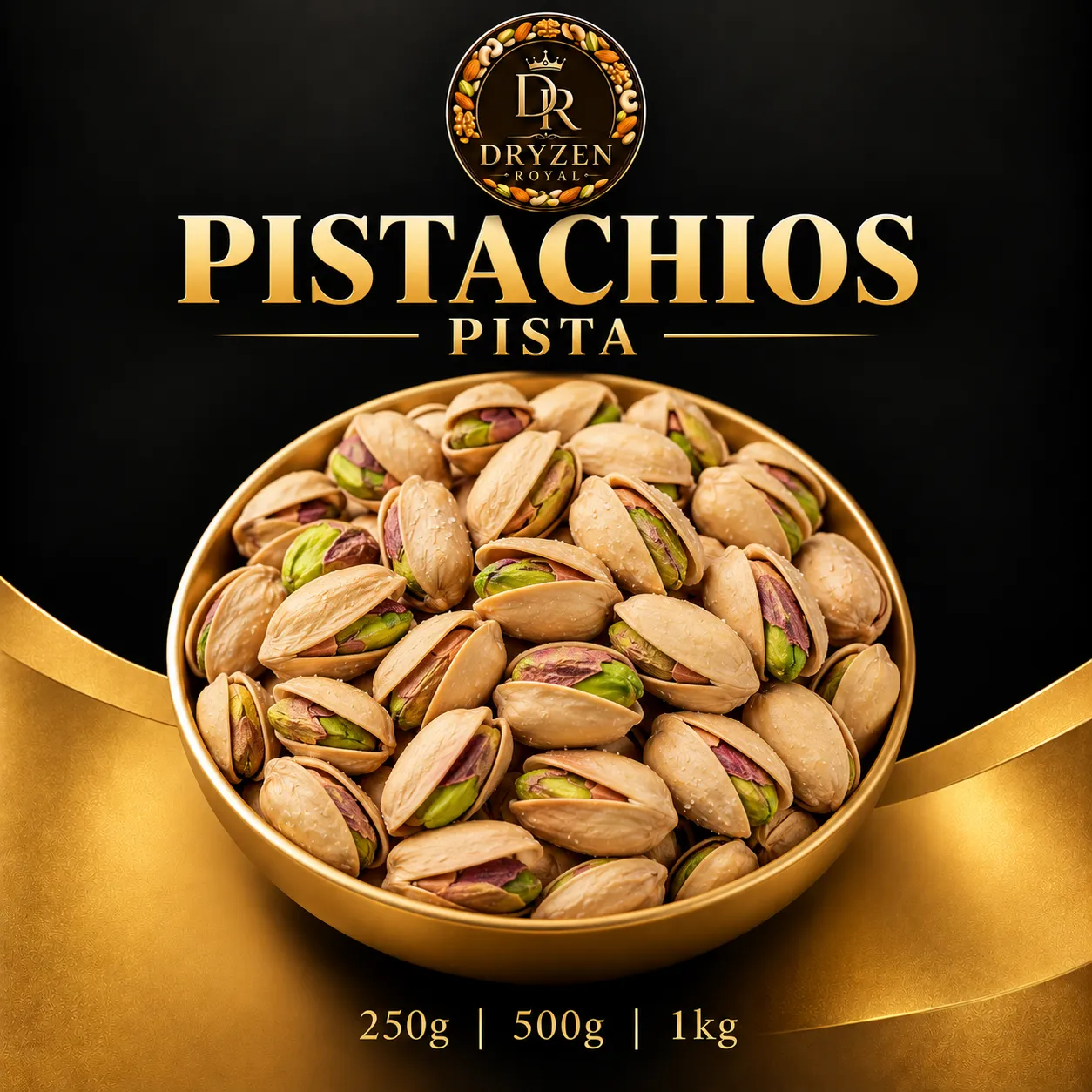
Explore Pistachios at Dryzen Royal and check the nuts' seasoning before choosing them for a delicate cream dessert.
Check its strength, source and dietary suitability. Follow the packet's liquid-setting guidance rather than assuming all brands are identical.
No. Agar uses different quantities and heating steps. Use a recipe specifically developed for it.
Natural kernels and their skins give a muted colour when diluted with cream. Bright colour is not a measure of flavour.
No. This version is designed for serving in glasses; an unmoulded dessert needs a different setting balance.
Questions about this article?
Email us and we will get back to you.
Explore more
