- 100% Natural
- Premium Quality
- No Preservatives
- Fresh & Healthy
Bake pumpkin seed cornbread with measured cornmeal, flour and kaddu beej. Follow mixing, pan-depth and centre checks for a simple savoury side loaf.
Pumpkin seed cornbread combines cornmeal, wheat flour and shelled kaddu beej in a quick side loaf. The seeds add small pieces of texture while the cornmeal supplies a distinct crumb. It is not made with white cornflour starch, and it is not a yeast bread.
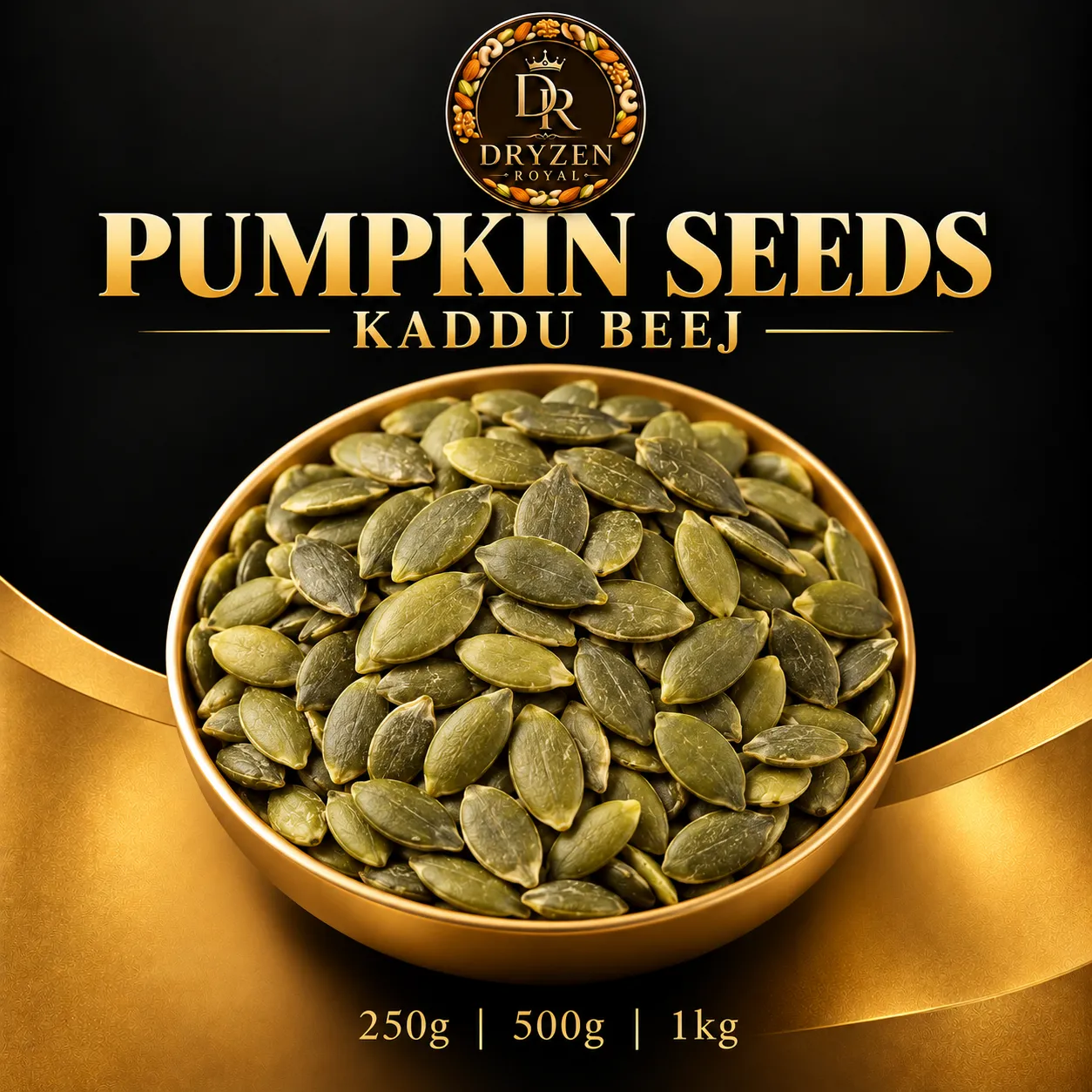
This recipe gives a modest tray that can sit beside soup or a vegetable meal. Accurate ingredient identity is important: a bag labelled corn flour can mean different products, so inspect the actual description before using it.
Use a 20cm square tin or a suitable shallow loaf pan. Allow fifteen minutes for preparation and twenty-five to thirty-five minutes for baking.
Check the cornmeal grind. Very coarse meal absorbs differently and may need a recipe designed for it rather than an improvised long soak.
Inspect seeds for hard shell fragments and reserve a small spoonful for the surface. Use plain kernels for the most predictable seasoning.
Our pumpkin seed form guide explains edible weight. A hard-shelled product is not the intended addition.
Heat the oven to 190°C conventional or around 170°C fan. Grease or line the pan before mixing the wet batter.
Whisk cornmeal, flour, baking powder, salt and optional sugar in one bowl. Break up any concentrated raising-agent lumps.
Whisk eggs, milk and oil in another. Pour into the dry bowl and stir just until combined, then fold in most of the kernels.
The batter should be spoonable and relatively loose. Do not knead it or beat it like a sponge. Transfer promptly after mixing so the raising process is not left waiting unnecessarily.
Level the batter gently in the pan and scatter the reserved seeds. Keep topping light rather than building a thick dry crust.
Bake on the middle rack and begin checking near twenty-five minutes. The centre should be set and a skewer should come out without raw batter.
If the surface browns early, cover loosely while the centre finishes. A deep pan needs different timing from the intended shallow tray, so note the dimensions.
Leave in the pan for around ten minutes, then move to a rack if practical. Warm cornbread can be delicate, and a short rest makes portions easier to lift.
Cut with a sharp knife, supporting the base. Some crumbs are normal for this style. Do not compress the loaf heavily in an attempt to create a bread-like elastic slice.
Offer warm squares with soup or cooked vegetables. Butter or another spread can be offered separately rather than soaked into the whole tray.
For a skillet bread with a different dough, our pumpkin seed flatbread uses rolling and direct pan heat. Its cooking time does not apply to this batter.
If the loaf is dry, review measuring and bake duration before adding a thick sauce. If gritty, check whether the starting cornmeal was too coarse.
Cool fully before wrapping. Refrigerate under suitable conditions and reheat individual portions thoroughly. Freeze separated squares for a longer reserve if desired.
Identify wheat, milk and egg when sharing, plus any additional product ingredients. Alternative milk does not change the wheat content.
Do not taste raw batter. Keep the seed reserve dry and separate from the egg mixture, and use clean utensils for cooled slices.
Confirm that the maize ingredient is cornmeal rather than white starch before measuring. Weigh and inspect before starting the hot stage, then close the source packs. Small prepared bowls reduce interruptions and make accidental double additions less likely. If you pause midway, mark which ingredients have already entered the mixture.
Prepare the pan and dry ingredients while the oven heats so the mixed batter can bake promptly. Allow the component that needs cooling or resting to begin first. Keep the next piece of equipment ready so the transition is controlled. The clock is useful for planning, but the stated texture and appearance remain the more important cooking cues.
Check the central crumb with a skewer and allow a rest before evaluating texture. Make one measured correction, mix thoroughly and reassess. A small test portion helps prevent an irreversible adjustment across the whole recipe. Keep notes on the preparation used, because a different product or pan can explain a different result.
Serve warm slices beside soup and cool the remaining loaf before wrapping. Plan the serving container and storage space before making a larger batch. Do not assume twice the ingredients fit safely into the same pan or cool in the same time. Protect the reserve from repeated handling and label any transferred food clearly.
Reserve one small square to assess after cooling. Warm cornbread can feel softer and more fragile than the same piece later, so do not rewrite the recipe based solely on a slice lifted immediately from the oven. Use a supporting spatula for the first serving.
If planning leftovers, cut only what is needed at first and keep the remaining slab protected once cool. More exposed cut surfaces can dry faster. Separate individual portions before freezing so you can remove a small amount without repeatedly handling the whole reserve.
For a later trial, record the cornmeal grind and pan material. These are meaningful variables. A different bag marked maize or corn product may not be the same ingredient, and no amount of extra baking can make white starch behave exactly like cornmeal.
Explore Premium Pumpkin Seeds (Kaddu Beej) Dryzen Royal when planning pumpkin seed cornbread. Check the current preparation and pack information, choose the quantity your recipe needs, and keep the remaining dry ingredients stored as directed.
No. Fine white corn starch is not the same ingredient as ground cornmeal.
This formula contains wheat flour. Do not infer suitability from the word corn.
Use edible shelled kernels and inspect for fragments.
Check the actual cornmeal type, liquid quantities and centre baking rather than judging only surface colour.
Questions about this article?
Email us and we will get back to you.
Explore more
