- 100% Natural
- Premium Quality
- No Preservatives
- Fresh & Healthy
Make pumpkin seed flatbread with measured flour, yogurt and kaddu beej. Learn dough resting, even rolling and skillet cues for quick homemade rounds.
Pumpkin seed flatbread puts small pieces of kaddu beej into a quick yogurt dough. It cooks in a skillet without waiting for yeast to rise. The seeds should be small enough for rolling and eating comfortably, rather than forming large lumps that tear the surface.
This method gives six modest rounds. A short covered rest makes the dough easier to roll, while a measured amount of flour keeps it soft. It is a different texture from a long-fermented loaf or an oil-fried bread.
Allow twenty minutes for preparation and resting, then fifteen to twenty minutes for cooking.
Check yogurt thickness before mixing. A very thin product contributes more liquid than a thick one, so water is an adjustment rather than an automatic full pour.
Use edible shelled seeds and chop large pieces. Check roasting and seasoning separately. Our pumpkin seed preparation guide explains the distinction.
Plain kernels make salt easier to control. Avoid assuming a seasoned snack pack is identical.
Mix flour, chopped seeds, baking powder and salt. Add yogurt and oil, then stir until clumps form.
Add water a spoonful at a time only if dry flour cannot join. Knead briefly into a soft cohesive dough. It should be manageable without becoming a stiff ball.
Cover for fifteen minutes. If the dough resists rolling later, let it rest a little longer instead of forcing it with more flour.
Divide into six pieces. Shape a small ball, dust lightly and roll into a round approximately 15cm across.
Aim for consistent thickness, especially near the centre. Very thin edges can burn while a thick middle stays doughy.
Brush away loose flour before cooking. Keep unrolled dough covered so its surface does not form a dry skin.
Use a sturdy skillet over medium heat. A tiny test piece helps you assess whether it colours too quickly.
Place one round in the dry pan and cook until bubbles appear and the underside has golden spots. Turn and cook the other side until set. Avoid pressing constantly.
If the outside blackens while the centre stays raw, lower the heat. If the bread dries slowly without colour, let the pan warm more between rounds.
Place cooked rounds under a clean cloth for immediate serving. This helps retain flexibility without sealing hot steam inside a tight container.
Serve with soup, a cooked vegetable dish or a separate yogurt dip. For an optional seed seasoning, see our dukkah recipe and account for its salt.
Do not load a round with wet filling and expect it to remain firm for hours. Assemble close to eating when texture matters.
If dough cracks, check whether excess flour was added or the rest was too short. If seeds tear the surface, chop them smaller next time.
If the bread sticks, review the pan surface and dough hydration before adding a large quantity of oil. This recipe is intended as a skillet round, not a deep-fried product.
Let a test piece cool enough to assess the centre. Surface colour alone cannot establish that a thick round has cooked through.
Cool fully before wrapping. Refrigerate in suitable packaging when needed and reheat thoroughly in a pan. Freeze separated rounds for a longer reserve.
Identify wheat and milk from the yogurt, plus any additional product ingredients. Keep the dry seed pack away from wet hands and utensils.
For a larger meal, multiply ingredients carefully but cook similar-size rounds. Making one enormous thick bread changes the method and timing.
Keep the dough pieces on one side of the hob and the cooked-bread plate on the other. Roll the next round while the current one finishes only if you can still watch the pan safely. Otherwise roll a small group and cover them to prevent drying.
A small test round tells you whether the pan and dough thickness are working together. Let it cool enough to tear open and inspect the centre. Adjust heat or rolling thickness before cooking all the remaining pieces.
If serving with a wet curry, bring the bread out close to eating rather than assembling filled portions far ahead. Separate storage protects the surface texture. For a dry packed meal, choose a filling appropriate to the available storage and do not assume the bread makes a perishable ingredient shelf-stable.
Begin with a clear working space. Use edible kernels and chop them before mixing so rolling will be more even. Set the measured ingredients beside the equipment before heating anything, and keep the original packs outside the wet preparation area. This makes it easier to distinguish a measured recipe portion from the unused reserve.
Rest the covered dough while preparing the skillet and serving accompaniments. Keep a short written order of tasks if several components are involved. A bowl that is ready early can be covered or chilled as appropriate while another stage finishes. Avoid leaving perishable ingredients on a warm counter simply because the next step is not ready.
Cook a small test round and inspect its cooled centre before adjusting the remaining pieces. Assess a small prepared sample before changing the whole batch. Record the original quantity and the adjustment so a successful result can be repeated. Changing several ingredients at once makes it harder to identify what improved the texture or flavour.
Keep a working stack under a clean cloth and store cooled reserves separately. Bring out a manageable serving amount and keep the reserve protected. Use clean utensils for the finished food and retain the source ingredient information for anyone sharing it. Packaging and storage should match the prepared dish, rather than the dry ingredient from which it began.
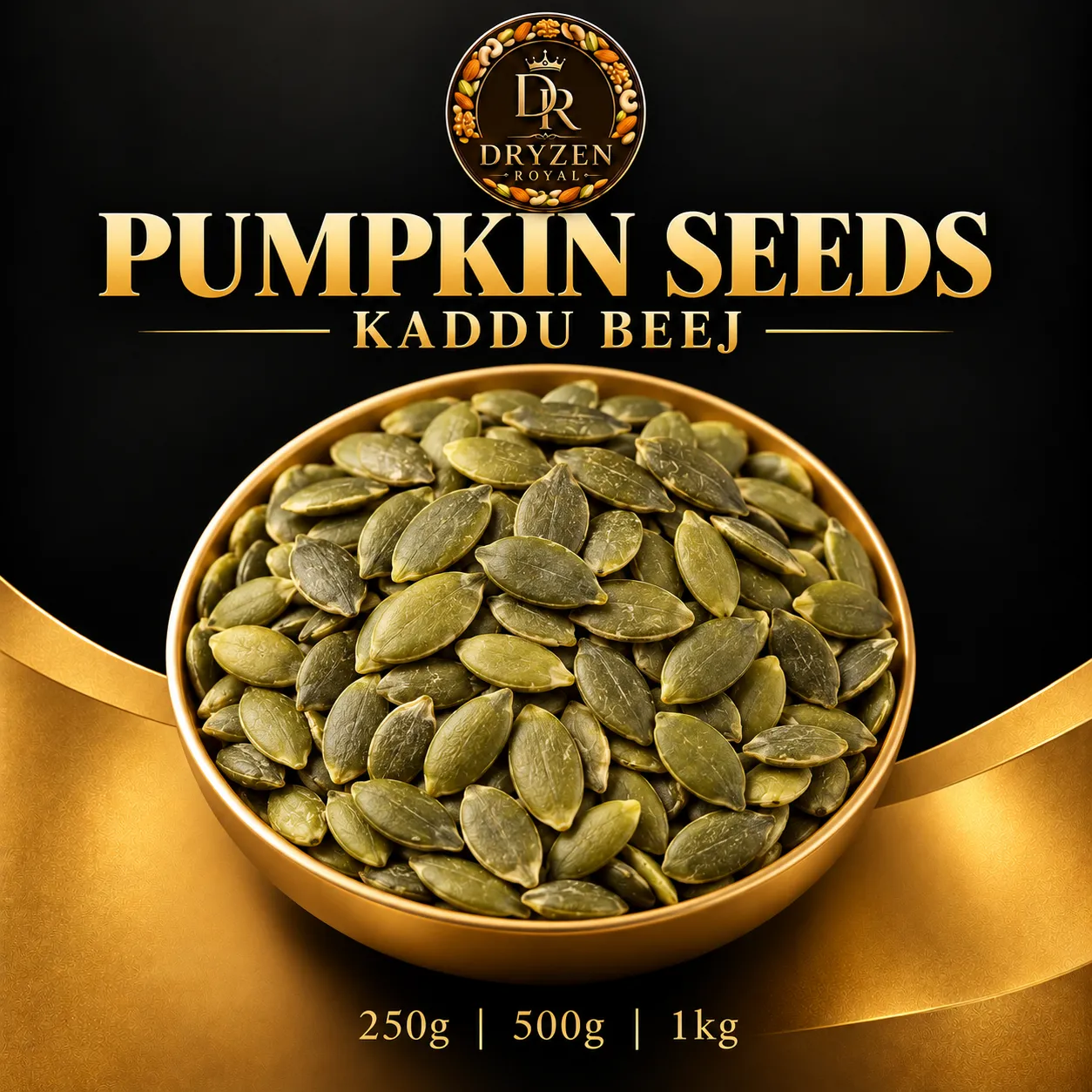
Explore Premium Pumpkin Seeds (Kaddu Beej) Dryzen Royal when planning pumpkin seed flatbread. Check the current preparation and pack information, choose the quantity your recipe needs, and keep the remaining dry ingredients stored as directed.
Use edible shelled kernels. Hard shells do not give the intended texture.
A brief knead is enough for this quick dough. It does not need a yeast proving stage.
Check pan heat and flour left on the surface. Loose flour can scorch before the dough cooks.
Cover prepared rounds so they do not dry, and avoid stacking raw pieces directly together.
Questions about this article?
Email us and we will get back to you.
Explore more
