- 100% Natural
- Premium Quality
- No Preservatives
- Fresh & Healthy
Build pumpkin seed quinoa bowl with cooked grain, vegetables and a measured dressing. Follow draining, cooling and topping cues for a practical meal.
Pumpkin seed quinoa bowl combines cooked quinoa, vegetables and a modest kaddu beej topping. The grain should be prepared to its own product instructions, then used warm or cooled appropriately. The seeds are a finishing texture rather than a reason to add a heavy sauce.
This recipe makes two modest meal bowls. Keep the components separate until you know how much dressing the grain needs. A well-drained base is easier to balance than a bowl containing extra cooking water.
Allow around thirty minutes, including grain cooking and vegetable preparation.
Check the quinoa label and any prepared chickpeas. This article does not infer ingredient suitability from a product name alone.
Rinse or prepare quinoa as its pack recommends. Use the stated liquid and cook until tender, then drain any excess if appropriate.
Let it rest and fluff gently. If serving cold, cool promptly in suitable shallow packaging rather than leaving a deep warm pot standing.
Record the product and actual method. Different preparation can explain texture changes even when the dry weight is identical.
For a warm version, cook small carrot or courgette pieces in a little measured oil until tender. Keep any fresh cucumber or tomato separate until serving.
Use fully cooked chickpeas if including them. Raw or merely soaked dried chickpeas are not a direct addition.
Wash and dry fresh vegetables appropriately so clinging water does not dilute the dressing.
Inspect shelled kernels for fragments. Toast raw seeds gently if desired, then cool before topping a cold bowl.
Our pumpkin seed form guide explains edible preparation. Strongly salted products need a different seasoning assessment.
Whisk remaining oil, lemon and a little seasoning in a small bowl. Taste with a complete grain-and-vegetable sample.
Add part of the dressing and fold gently. Allow a brief pause before deciding it needs every drop.
Cooked grain absorbs liquid as it stands. A small later adjustment is easier to control than an early large pour.
Divide grain and vegetables between two bowls. Add optional chickpeas and the dry kernels at the end.
Keep portion distribution even so one serving does not get nearly all the seeds. A separate measured topping bowl makes this easier.
For another seed-based meal, our pumpkin seed falafel uses a shaped chickpea mixture and a different method.
If flat, test lemon on one spoonful before increasing salt. If too sharp, review the dressing quantity and vegetables.
A heavy second sauce can hide the grain and seed texture. Keep optional yogurt or cheese separate and identify its ingredients.
For a packed meal, choose components and reliable chilling suitable for the actual journey rather than assuming a bowl is automatically safe unrefrigerated.
Cool prepared grain and vegetables promptly and refrigerate covered at 4°C or below. Keep dry seeds under their own pack guidance.
Reheat warm servings thoroughly, or assemble cold portions from appropriately chilled components. Do not repeatedly warm the full reserve for one bowl.
Retain ingredient labels and avoid medical or unsupported nutritional claims. Keep wet dressing tools away from the dry seed pack.
Check grain and seed preparation before measuring, and choose sound vegetables. Keep this preparation separate from the unused ingredient packs. Put measured amounts in small bowls so a pause or interruption does not lead to the same ingredient being added twice. Retain the original labels when ingredients are transferred into other containers.
Cook the quinoa first while preparing the dressing and a separate seed topping. Check the equipment and available space before starting the stage that needs continuous attention. A short written order of tasks can prevent a cooked component waiting unnecessarily while another is still being prepared. Use the stated texture cues alongside the clock.
Taste a spoonful containing grain and vegetables before adding more dressing. Make the smallest practical adjustment, combine it fully and reassess before adding more. Keep a note of the quantity actually used and the preparation of the source product. This gives the next batch a clear reference instead of several simultaneous changes.
Keep reserve components appropriately chilled and assemble the next serving when needed. Separate the working amount from the untouched reserve and choose packaging that suits the prepared food. A dry ingredient and a dish made from it can have different storage requirements. Keep serving utensils clean and ingredient information accessible to anyone sharing.
Divide the cooked grain and vegetables evenly before dressing. Add a little less dressing to one sample and compare after a short rest. This helps establish the amount your particular grain preparation absorbs without turning the whole batch watery.
Keep the dry topping measured. A thick seed layer can dominate the mouthful and obscure the vegetables, while a small evenly scattered amount gives a clearer contrast.
For meal preparation, use suitable containers that hold the components without crushing them. Keep a separate small dressing container if the bowl will be eaten later, and maintain appropriate chilling during the journey. A prepared grain dish does not become shelf-stable because it contains no meat.
Record the quinoa product and actual cooking water for the next trial rather than assuming every brand behaves identically.
Check the serving container capacity before packing so grain, vegetables and dressing are not compressed into an overfilled box.
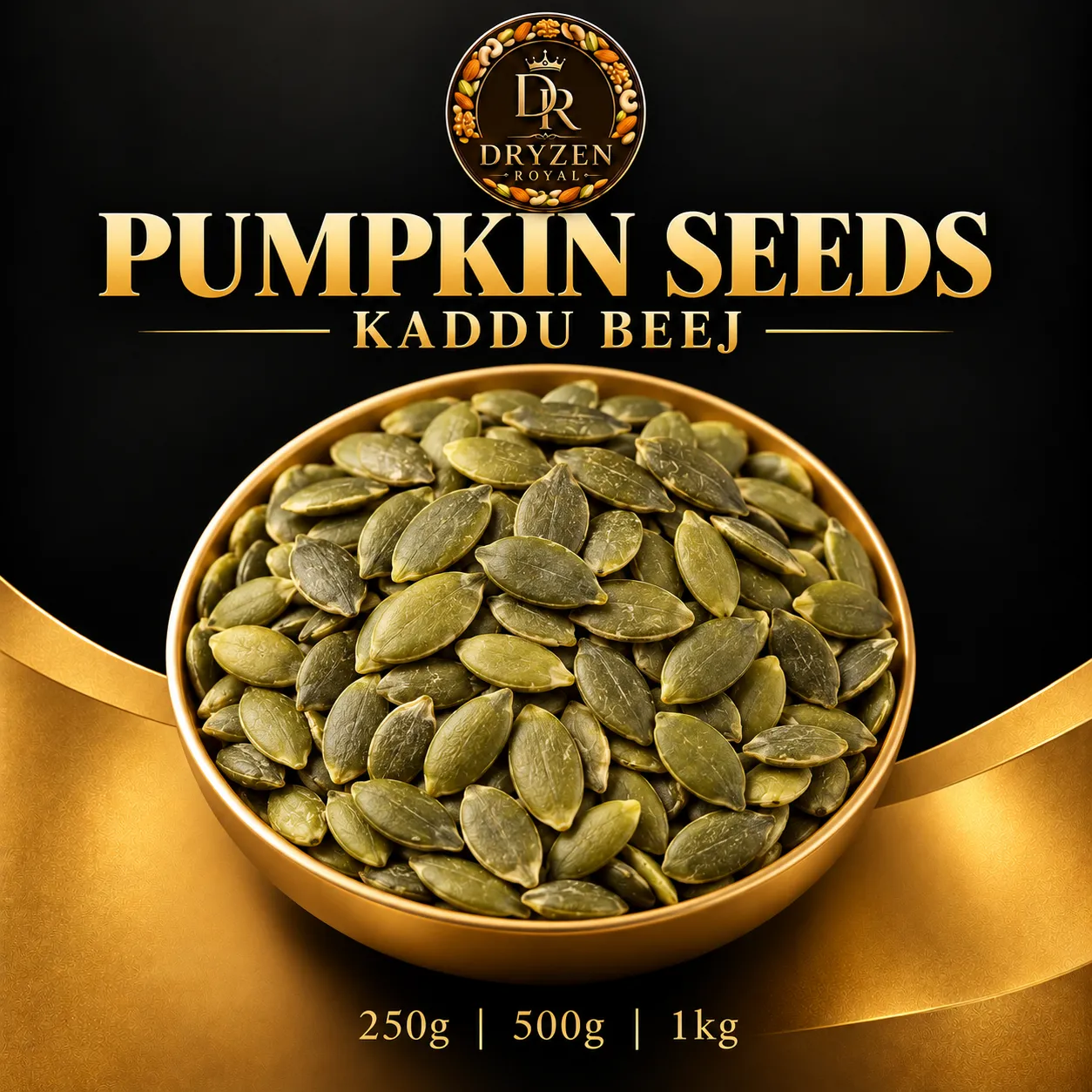
For ingredients for pumpkin seed quinoa bowl, view Premium Pumpkin Seeds (Kaddu Beej) Dryzen Royal. Review the current product details and choose a pack that fits your cooking or gifting plans.
Use the actual product guidance as the starting method and check grain tenderness.
Use edible shelled kernels for this bowl.
Cool and refrigerate prepared reserves promptly rather than leaving them warm.
Check every ingredient and the needs of the person eating it.
Questions about this article?
Email us and we will get back to you.
Explore more
