- 100% Natural
- Premium Quality
- No Preservatives
- Fresh & Healthy
Cook pumpkin seed shakshuka with a measured tomato base, eggs and kaddu beej. Follow reducing, egg-setting and last-minute topping cues for a small skillet.
Pumpkin seed shakshuka is a tomato-and-pepper skillet with eggs and a small kaddu beej topping. The seeds add texture at the end rather than acting as the main thickener. A properly reduced sauce makes it easier to form wells and cook the eggs evenly.
This recipe gives two modest servings. Use a skillet with a suitable lid and enough space for the eggs. Prepare the vegetables first because the final stage benefits from continuous attention.
Allow fifteen minutes to prepare and around twenty-five minutes to cook.
Check tomato and spice products for added seasoning. Use sound eggs and follow their storage guidance.
Inspect kernels for shells. If raw, toast gently in a dry pan, stirring, until lightly fragrant, then transfer out.
Already roasted seeds do not need a full repeated toast. Strongly salted or flavoured products change the final seasoning.
Our pumpkin seed form guide explains the edible ingredient.
Warm oil and soften onion and pepper over moderate heat. Add garlic and spices briefly, then tomatoes.
Simmer until vegetables are tender and excess liquid has reduced. Stir across the base and lower heat if it catches.
The sauce should be thick enough that a spoon can make a shallow well. A very loose pan lets the eggs spread through watery liquid.
Taste a cooled spoonful and add salt or pepper gradually. If tomatoes are sharp, let them cook before making large corrections.
Do not add extra sugar automatically. The vegetable flavour changes through simmering, and the seed topping may also contribute salt.
Make four shallow wells and crack each egg into a small clean bowl first if that helps inspect it. Slide gently into the sauce.
Cover and cook over controlled heat until whites and yolks are thoroughly cooked. Check the egg stage itself rather than assuming bubbling sauce guarantees doneness.
Avoid vigorous boiling that splashes or catches the base. If needed, use a small spoonful of water at the edge and cover, without turning the sauce back into soup.
Do not return a bowl or utensil that touched raw egg to ready-to-eat topping. Wash hands and equipment appropriately.
Serve promptly once the eggs are ready. Keep the skillet on a stable heatproof surface and make hot handles clear to anyone sharing.
Scatter prepared kernels and optional herbs just before eating. The topping stays more distinct when it has not simmered for a long period.
Offer bread separately rather than leaving it soaking across the whole pan. Start with modest portions and add sauce as desired.
For another seed meal, our pumpkin seed falafel uses chickpeas and oven cooking, with a different binder.
If watery, concentrate the tomato stage more fully next time before eggs enter. If the bottom scorches, reduce heat and use a heavier suitable pan.
If seeds become soft, add them later rather than increasing the amount. Texture timing is more useful than simply doubling garnish.
Record tomato product and pan diameter. A broad pan reduces faster than a narrow deep one, so timing can vary even with identical quantities.
Cool leftovers in appropriate shallow containers and refrigerate at 4°C or below. Reheat a working portion thoroughly.
Do not leave eggs and sauce warm on the hob through an extended gathering. A lid does not establish safe storage.
Identify eggs and any additional packaged ingredients when sharing. Keep the dry seed reserve away from wet egg and sauce utensils.
Inspect edible kernels and chop the vegetables before heating the skillet. Keep this preparation separate from the unused ingredient packs. Put measured amounts in small bowls so a pause or interruption does not lead to the same ingredient being added twice. Retain the original labels when ingredients are transferred into other containers.
Cook and reduce the tomato base while lightly toasting the topping separately if needed. Check the equipment and available space before starting the stage that needs continuous attention. A short written order of tasks can prevent a cooked component waiting unnecessarily while another is still being prepared. Use the stated texture cues alongside the clock.
Check the eggs as well as the sauce before serving the pan. Make the smallest practical adjustment, combine it fully and reassess before adding more. Keep a note of the quantity actually used and the preparation of the source product. This gives the next batch a clear reference instead of several simultaneous changes.
Bring out bread separately and cool any reserve promptly rather than leaving the skillet warm. Separate the working amount from the untouched reserve and choose packaging that suits the prepared food. A dry ingredient and a dish made from it can have different storage requirements. Keep serving utensils clean and ingredient information accessible to anyone sharing.
A broad skillet reduces tomato liquid faster than a narrow deep pan. Note the diameter and the point when the sauce held an egg well. This makes later timing changes easier to understand without adding extra seeds as a thickener.
For staggered serving, keep a suitable portion of sauce separately and cook the next eggs when needed. Do not repeatedly warm an entire finished pan for a single late serving.
Keep the dry garnish bowl away from raw egg shells and utensils throughout preparation.
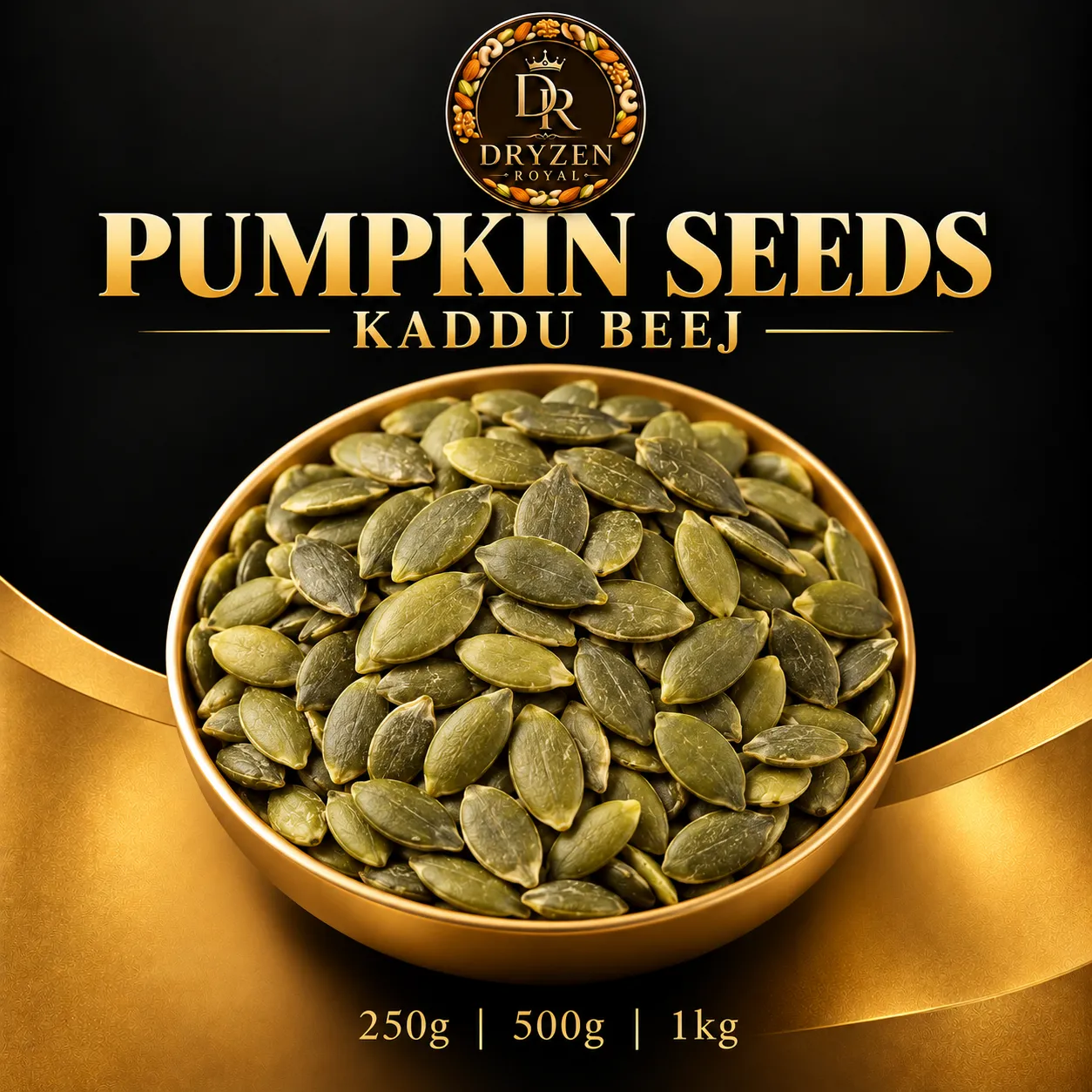
For ingredients for pumpkin seed shakshuka, view Premium Pumpkin Seeds (Kaddu Beej) Dryzen Royal. Review the current product details and choose a pack that fits your cooking or gifting plans.
Prepare the topping separately and add near serving if you want texture.
Cook eggs thoroughly; appearance and preferred style do not replace appropriate food handling.
Use edible shelled kernels and check for fragments.
A watery base can affect egg cooking. Reduce to a sauce that holds small wells.
Questions about this article?
Email us and we will get back to you.
Explore more
