- 100% Natural
- Premium Quality
- No Preservatives
- Fresh & Healthy
Vegetable nori rolls with toasted pumpkin kernels, made without raw fish and with a prompt-serving rice plan.
Pumpkin seed sushi rolls wrap seasoned short-grain rice, vegetables and toasted kaddu beej kernels in nori sheets. This home version contains no raw fish, but cooked rice still needs careful handling. The seeds add a dry nutty note and a little crunch against the soft rice.
The easiest way to learn is to keep the filling modest. Too much rice or a bulky pile of vegetables makes the roll hard to close. Pumpkin seed sushi rolls are best assembled in a small batch for prompt serving, rather than made as a large uncovered platter hours in advance.
The quantities make four medium rolls, usually cut into six pieces each. Allow forty-five to sixty minutes including rice cooking and cooling to a workable temperature. Use a saucepan with a lid, bowl, rolling mat or suitable clean rolling support, sharp knife and board.
Rice vinegar sold already seasoned may contain sugar and salt, so adjust the added amounts. Do not use cleaning vinegar. Nori, sauces and packaged ingredients may have their own allergen information. A raw-fish-free recipe is not automatically suitable for every dietary need.
Rinse rice as directed, then cook with the packet's water ratio and resting stage. Short-grain rice gives the cohesive texture needed for rolling. Basmati or another separate-grain rice is not a direct substitute for this method.
While it cooks, dissolve sugar and salt in the measured rice vinegar. Gentle warming can help, but do not boil away the liquid. Fold this mixture into the cooked rice with a cutting-and-turning motion, avoiding aggressive stirring that turns the grains into paste.
Spread the rice in a wide bowl or shallow container and let excess steam escape while preparing to roll. It should be comfortable to handle rather than hot enough to make nori limp immediately. Do not leave it sitting at room temperature for hours.
The added vinegar is for flavour in this home recipe, not proof of a validated preservation process. Pumpkin seed sushi rolls still require a sensible rice-cooling and serving plan. Keep the batch small and prepare other components before the rice is ready.
Toast pumpkin kernels in a dry pan over medium-low heat for three to five minutes, stirring until fragrant. Cool, then chop roughly if the kernels are large. Use hulled edible kernels rather than hard white-shelled seeds.
Cut cucumber and carrot into thin sticks about the length of the nori's shorter side. Remove a very watery cucumber centre if needed. Keep the vegetables dry. Thick carrot sticks can be difficult to bite and may push against the wrapper during cutting.
Put the mat on a stable board and keep a small bowl of drinking water nearby for moistening fingers. If covering a mat, use suitable food-safe material and keep loose edges out of the roll. Follow the mat manufacturer's care guidance.
Lay one nori sheet shiny-side down. Divide rice into four portions before starting so the first roll does not take most of it. Leave a clear strip about 2 cm wide along the far edge for sealing.
With lightly damp fingers, spread one rice portion over the nori without crushing it. Keep the layer around 5 mm thick or less where possible. A thick layer makes the roll bulky and reduces the space for vegetables.
Sprinkle a quarter of the cooled kernels across the rice. Put a modest line of vegetables near the edge closest to you. Do not add every optional ingredient in large quantities. Pumpkin seed sushi rolls are easier to close when the centre remains narrow.
Lift the near edge of the mat and bring nori over the filling. Tuck the filling in gently, then continue rolling away from you while keeping the support material outside. Apply enough pressure to form a coherent cylinder without squeezing rice from the ends.
Moisten the clear nori edge lightly if needed to seal. Put the finished roll seam-side down for a minute while shaping the next. If it opens, check whether the rice layer was too thick or the filling too large rather than wetting the whole wrapper.
Use a sharp knife and lightly dampen it, wiping between cuts. Cut the roll in half, then each half into three pieces for six portions. Support without pressing hard. A blunt blade can flatten the rice and drag vegetables out.
Pumpkin seed sushi rolls do not need perfectly identical restaurant-style pieces on the first attempt. Focus on a closed seam and manageable bites. Save a less neat end piece for tasting so you can adjust the next roll's filling amount.
Offer soy sauce separately and use a small dipping dish. Too much liquid softens the nori quickly. A little pickled ginger can be served if suitable and available, but it is not required for the measured version.
Tell diners that pumpkin kernels provide the crunch. The rolls are a vegetable variation rather than a claim to reproduce a particular traditional restaurant formula. Keep the ingredient list clear, especially if adding mayonnaise, sesame or another optional sauce.
Cut vegetables and toast seeds ahead, storing them appropriately and separately. Cook rice close enough to assembly that it can be handled promptly. Nori should remain sealed and dry until needed because humidity makes it less crisp.
For a gathering, make a small first tray and prepare a second batch near serving rather than leaving all pieces exposed. Pumpkin seed sushi rolls lose wrapper texture as moisture moves from rice into nori. That is a quality change even when handling has otherwise been appropriate.
Refrigerate leftovers promptly in a suitable covered container. For a conservative household rice plan, use within twenty-four hours. The nori will soften and avocado may darken, so the best texture is on the day of assembly.
Do not leave a platter out for a long event and then assume refrigeration resets its handling history. If cold storage or timing is uncertain, choose a different food for that occasion. The absence of raw fish does not remove cooked-rice considerations.
Note the rice product, cooked yield, portion per sheet and vegetable thickness. If rolls split, reduce the centre and rice layer before changing the wrapper. If they are loose, improve the tucking step rather than pressing harder after cutting.
These vegetable rolls become dependable when the rice is suitable, the filling is narrow and the knife stays clean. The measured seed portion adds a clear texture without turning a delicate roll into an overfilled cylinder.
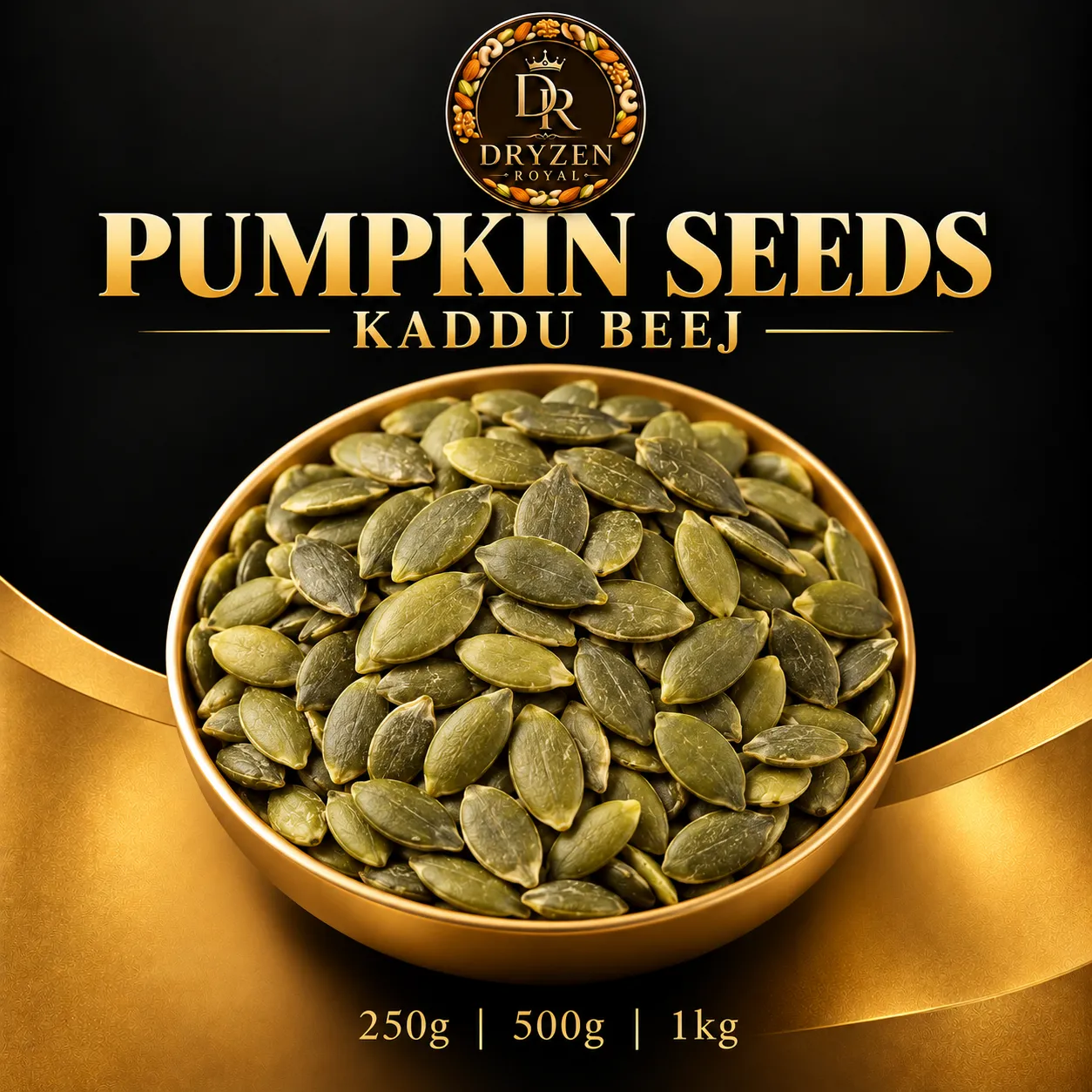
Use choosing edible pumpkin kernels before preparing the topping. The method for weighing small ingredient portions can help divide rice and seeds evenly.
Explore Pumpkin seeds at Dryzen Royal and check the kernel format when planning a small savoury rolling project.
No. Cooked rice still needs prompt handling and refrigeration when not served immediately.
Not for the same rolling texture. Use a suitable short-grain product and follow its cooking instructions.
It provides a sealing area so the roll can close without rice filling the seam.
Too much rice or filling is common. Reduce the portion before adding more pressure or water.
Questions about this article?
Email us and we will get back to you.
Explore more
