- 100% Natural
- Premium Quality
- No Preservatives
- Fresh & Healthy
Bake raisin carrot cake with measured grated carrot, kishmish and a simple oil batter. Follow mixing, centre checks and cooling tips for a tender tea loaf.
Raisin carrot cake uses grated carrot and kishmish in a lightly spiced oil batter. It can be served as a plain tea loaf without a thick topping. The important details are an even carrot grate, measured fruit and a fully baked centre rather than simply a dark surface.
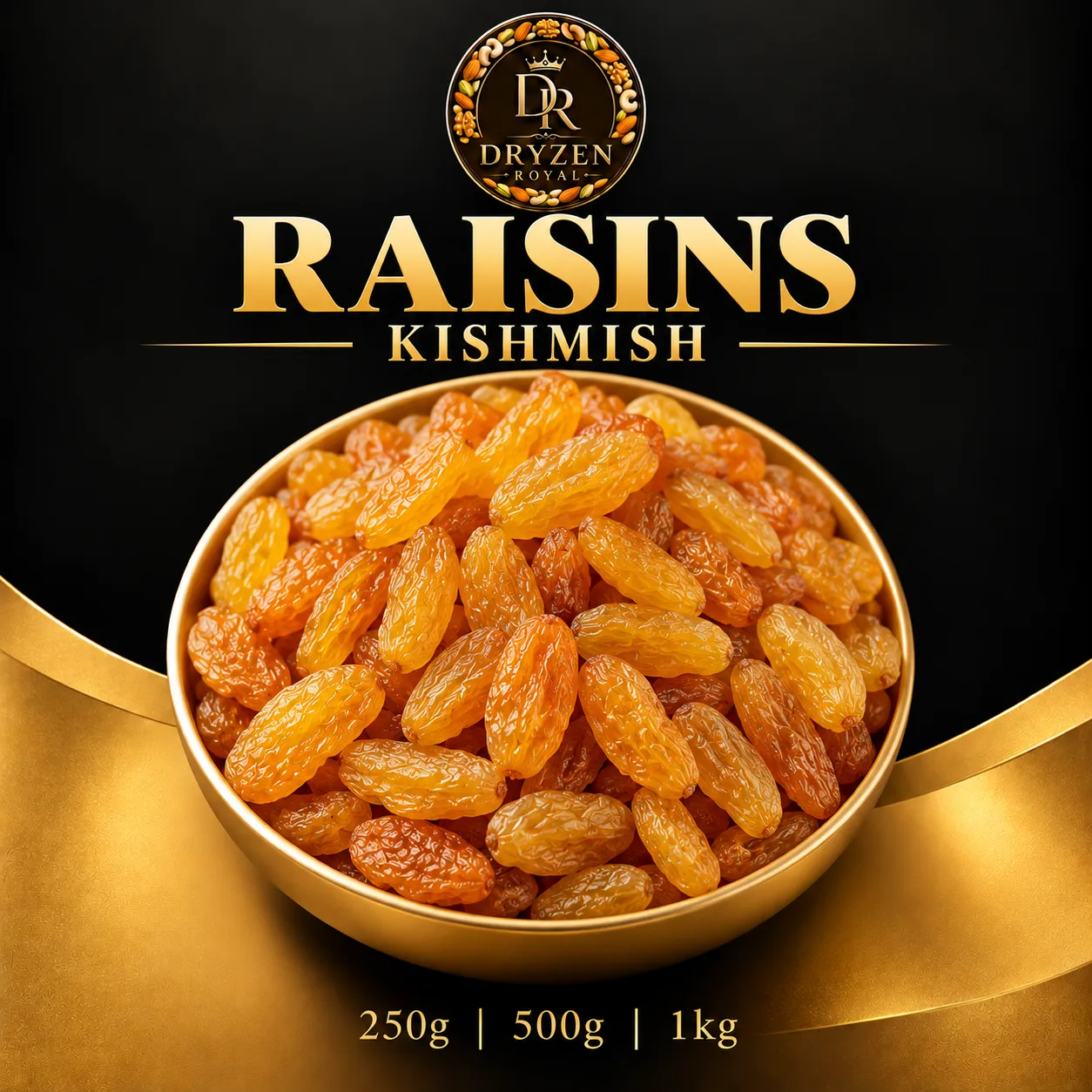
This small loaf method is practical for a home kitchen. Grated carrot contributes moisture, so extra liquid should not be added just because the first bowl looks thick. Prepare the tin and oven before combining the batter.
Use a tin around 21cm by 11cm. Allow twenty minutes for preparation and approximately forty-five to fifty-five minutes for baking, followed by full cooling.
Use fresh sound carrots. The measured weight is after peeling and trimming, not the weight of a whole bag before preparation.
Remove stems and separate raisin clumps. Very hard fruit can be softened briefly, drained and surface-dried. Do not introduce an unmeasured bowl of soaking water.
Grate the carrot medium-fine. Thick long strips can pull through the crumb when slicing and distribute less evenly than small shreds.
Our dried-fruit baking guide explains moisture differences. Soft fruit and fresh carrot already supply moisture, so avoid changing several liquid quantities together.
Heat the oven to 175°C conventional or about 155°C fan. Grease and line the tin, leaving paper over opposite sides to help lift the cooled loaf.
Whisk flour, baking powder, bicarbonate, cinnamon and salt together. In another bowl whisk eggs, sugar, oil and optional vanilla until evenly combined.
Stir grated carrot and raisins into the wet bowl, then fold in the dry mixture. Scrape the bottom and sides without beating for a long time once flour enters.
The mixture should be spoonable and thick, with carrot visible throughout. A little texture is expected. It does not need to pour like a drink or look as smooth as a plain sponge batter.
If it seems unusually dry, first check that all oil and eggs were included and that flour was weighed. Adding a large splash of milk can create a different baking balance.
Transfer to the tin and level gently. Keep the depth even so one end does not become dry while another remains undercooked.
Bake on the middle shelf and begin checking near forty-five minutes. A skewer inserted into the thick centre should emerge without raw batter. Soft fruit marks are different from wet flour mixture.
If the surface colours early, cover loosely with foil and continue in short increments. A deep tin, dark metal or a hot-running oven can change the timing, so record your equipment.
Rest in the tin for about fifteen minutes, then lift carefully onto a rack. Allow complete cooling before cutting. Hot carrot-rich crumb may break even when the cake is properly baked.
Use a serrated knife gently and support the loaf. Mark equal portions first if sharing so you do not end with one oversized heel and several thin slices.
Offer plain slices with tea or coffee. If you want cream-cheese icing, use a suitable separate recipe and wait until the loaf is fully cool. Store that dairy-topped version appropriately.
For another kishmish tea bake, our raisin scones use cold butter and a different mixing method. Their short bake is not transferable to this moist loaf.
A plain serving lets you assess spice and fruit balance clearly. If the cinnamon dominates, reduce it on the next batch rather than increasing sugar to disguise it.
A wet middle can indicate underbaking or an unsuitable depth. A dry loaf may reflect excess flour or a prolonged bake. Check those controls before removing carrot or changing the oil.
If raisins sink in patches, separate them better before mixing and keep batter handling brief. Large wet clumps distribute poorly.
Cool leftovers before covering, refrigerate when conditions and ingredients require it, and freeze wrapped slices for a longer reserve. Identify wheat and eggs, plus any optional dairy topping, when sharing. Do not taste raw batter.
Begin with a clear working space. Grate carrots and measure raisins before mixing so the wet batter is not left waiting. Set the measured ingredients beside the equipment before heating anything, and keep the original packs outside the wet preparation area. This makes it easier to distinguish a measured recipe portion from the unused reserve.
Prepare the lined tin and oven first, then keep dry and wet mixtures separate until ready. Keep a short written order of tasks if several components are involved. A bowl that is ready early can be covered or chilled as appropriate while another stage finishes. Avoid leaving perishable ingredients on a warm counter simply because the next step is not ready.
Check the centre with a skewer instead of relying on the surface colour. Assess a small prepared sample before changing the whole batch. Record the original quantity and the adjustment so a successful result can be repeated. Changing several ingredients at once makes it harder to identify what improved the texture or flavour.
Cool the loaf fully before slicing and keep any dairy icing on a separate storage plan. Bring out a manageable serving amount and keep the reserve protected. Use clean utensils for the finished food and retain the source ingredient information for anyone sharing it. Packaging and storage should match the prepared dish, rather than the dry ingredient from which it began.
Explore Premium Raisins (Kishmish) when planning raisin carrot cake. Check the current preparation and pack information, choose the quantity your recipe needs, and keep the remaining dry ingredients stored as directed.
Grate and measure as directed. Do not remove all moisture unless adapting a recipe specifically designed for that step.
A medium-fine grate distributes more evenly and makes slicing easier than thick strips.
No. Serve plain or offer a small amount separately after the cake cools.
Check centre doneness, pan depth and raising-agent measurements before changing the fruit quantity.
Questions about this article?
Email us and we will get back to you.
Explore more
