- 100% Natural
- Premium Quality
- No Preservatives
- Fresh & Healthy
An enriched yeast dough rolled with cinnamon and kishmish, with visual proving cues and a simple optional icing.
Raisin cinnamon rolls put soft kishmish inside an enriched yeast dough, with a warm cinnamon layer winding through each slice. They are a weekend baking project rather than a five-minute snack, but the work is manageable when the mixing, proving and shaping stages are planned separately.
The timing depends on your kitchen. Dough rises faster in a warm Pakistani summer than in a cool winter room, so visual cues are more reliable than one rigid schedule. Keep the ingredients measured, avoid overheating the milk, and give the shaped rolls enough space to expand before baking.
Use a square baking tin approximately 23cm across or another suitably sized baking dish. Allow roughly 30 minutes of hands-on preparation, two proving periods and 22 to 28 minutes of baking. The total proving time may vary substantially with temperature.
For the filling, measure 50g softened unsalted butter, 65g light brown sugar, 2 teaspoons ground cinnamon and 100g raisins. For an optional light icing, use 50g icing sugar and 2 to 3 teaspoons milk, adding the liquid gradually.
Separate the raisins and remove any stems. If the fruit is extremely dry, soften it briefly in warm water, then drain thoroughly and pat the surface dry. Wet fruit can create a slippery filling and damp patches in the dough.
Our baking with dried fruit guide explains when softening helps. For this recipe, the aim is pliable fruit without carrying an unmeasured quantity of soaking water into the filling.
Whisk the flour, instant yeast, sugar and salt in a bowl, following the yeast manufacturer’s instructions if they differ. Add the lukewarm milk and egg, then mix until a rough dough forms. Milk should feel mildly warm, not hot enough to be uncomfortable.
Work in the softened butter a little at a time. Knead on a lightly floured surface for approximately eight to ten minutes, or use a mixer suited to dough. The mixture should become smoother and elastic, although it may remain slightly tacky.
Add bench flour sparingly. A dough made dry for the sake of clean hands can bake into firm rolls. If it is extremely sticky, pause for a few minutes to let the flour absorb moisture before deciding it needs more.
Pull a small piece gently. It should stretch somewhat before tearing, rather than immediately breaking into rough pieces. You do not need to keep adding flour until it feels like stiff pastry.
Put the dough in a lightly greased bowl and cover. Let it rise until roughly doubled and visibly aerated. In a warm room this may take about an hour, while cooler conditions may require longer. Keep it away from direct hot sunlight or a running hob.
Gently press out the largest gas pockets and turn the dough onto a lightly floured board. Roll to approximately 30cm by 35cm, keeping the thickness fairly even. A very thin corner can tear and leak filling, so adjust the shape before spreading butter.
Spread the 50g softened butter over the surface, leaving a strip of about 2cm along one long edge. Mix the brown sugar and cinnamon, then sprinkle evenly. Scatter the dried raisins without concentrating them in one thick line.
Roll up from the opposite long side, keeping the cylinder snug but not so tight that the filling squeezes out. Pinch the clean edge gently to seal. Turn the seam underneath before cutting.
Mark nine equal sections along the cylinder. Cut with a sharp knife using a gentle sawing motion, or use clean unflavoured food-safe thread if you are comfortable with that method. Avoid pushing down heavily and flattening the spirals.
Arrange the pieces in the lined or greased tin with small gaps between them. Cover loosely and leave until they look puffy and have expanded toward one another. This second rise may take 30 to 60 minutes or longer in a cool room.
A roll that barely expands before baking can feel dense in the middle. A very over-proved dough may become fragile and collapse. Watch the dough itself rather than repeatedly extending or shortening the time to fit another task.
Set the oven to 180°C conventional or around 160°C fan. Position the rack near the centre. Preparing the oven in time prevents fully proved dough from sitting indefinitely while the temperature catches up.
Do not place the rising tin on a very hot oven surface. Gentle room warmth is different from direct heat, which can melt the filling and affect the bottom of the dough.
Bake for approximately 22 to 28 minutes, checking near the earlier time. The tops should be golden and the centre rolls should feel set rather than wet or doughy. If the edges brown early, cover loosely with foil while the middle finishes.
Use the actual tin and dough depth to interpret the timing. Nine closely packed rolls in a deep dish may bake differently from widely spaced pieces on a tray. A pale centre hidden under icing is not a substitute for complete baking.
Rest in the tin for ten minutes, then transfer carefully to a rack if the shape allows. For a very light glaze, mix the icing sugar with milk gradually and drizzle once the rolls are warm rather than piping hot.
If the crumb is dense, review the yeast condition, first rise and second rise before increasing the yeast amount. Check that the milk was not too hot and that the dough was not stiffened with excessive flour.
If the filling leaked, some melted butter in the tin is normal, but large pools can suggest uneven spreading or too much filling at the edges. Roll evenly and leave the clean sealing strip. Fine dry fruit pieces distribute more neatly than large wet clumps.
For another tea bake that avoids yeast, our raisin scones recipe uses a cold-butter dough and a different mixing method. It is useful when your schedule does not allow two proving periods.
These are pleasant while still slightly warm, with chai or coffee and no need for a heavy cream-cheese topping. Keep any dairy accompaniment refrigerated separately. Identify wheat, milk and egg when sharing a batch.
Cool reserve rolls fully before covering. Freeze wrapped individual portions for later use, then thaw covered and rewarm gently. Do not repeatedly warm the whole tin when you only need one piece.
If your rolling pin sticks, dust it lightly rather than covering the entire board in flour. Brush excess flour from the dough before spreading the butter. This keeps the filling in contact with the dough and helps the final seam hold together.
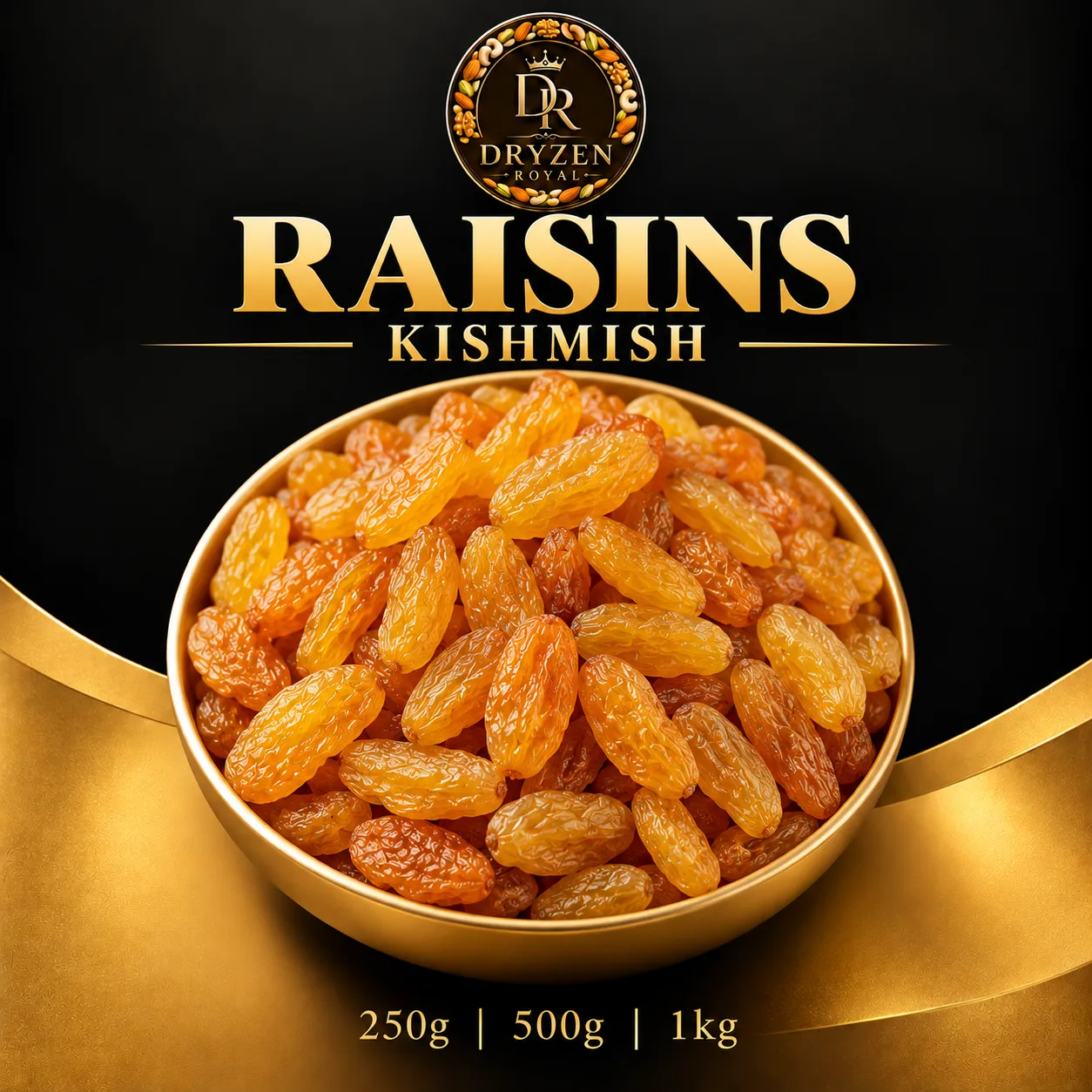
Explore Dryzen Royal Premium Raisins for your next raisin cinnamon rolls. Check the fruit’s condition, measure the filling carefully, and store the unused kishmish as directed on the pack.
Look for a clear increase in size and a soft, aerated feel rather than relying only on the clock. Room temperature changes the timing.
Follow the instructions for the yeast you use. Active dry yeast may need a separate activation step and can behave differently.
The roll may have been wound unevenly or the filling spread too thickly. Keep the rectangle even and leave a clean sealing edge.
No. Offer a small amount separately or drizzle lightly after the rolls cool. The fruit and filling already contribute sweetness.
Questions about this article?
Email us and we will get back to you.
Explore more
