- 100% Natural
- Premium Quality
- No Preservatives
- Fresh & Healthy
Blend sunflower seed butter from plain edible kernels. Follow toasting, cooling and processing stages, with texture checks and practical serving ideas.
Sunflower seed butter turns plain edible kernels into a spread through careful processing. The mixture first becomes crumbs, then clumps and finally a paste as seed oils are released. A suitable machine and patient pauses matter more than a promised exact blending minute.
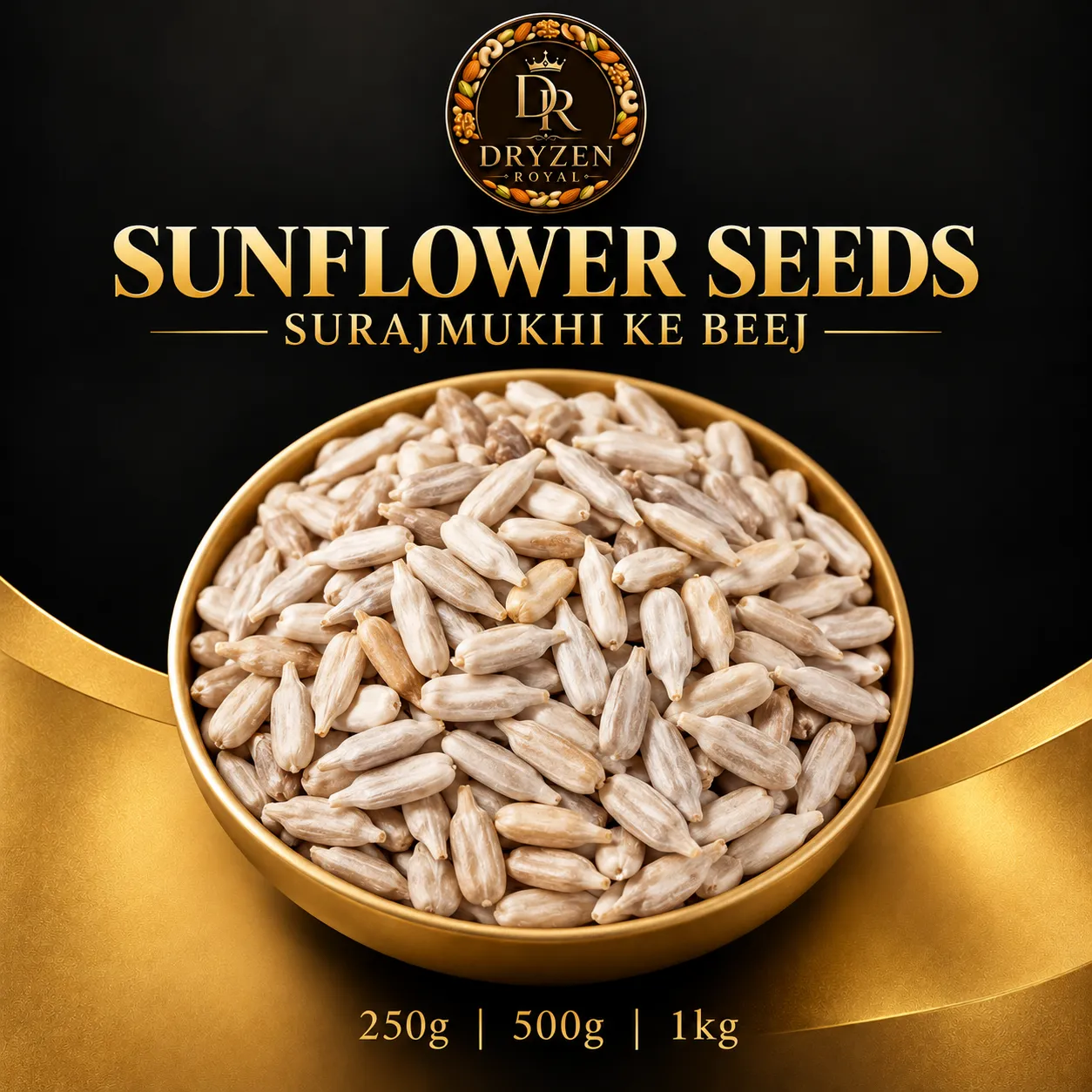
This small-batch method keeps water out. It is not a sauce or a soaked-seed dip. Choose a processor capable of handling the quantity and follow its running and cooling limits.
Start with 250g plain shelled sunflower kernels and a small pinch of salt. Optional additions are 1 teaspoon neutral oil for a stubborn dry mixture and a little dry ground cinnamon after the base is established.
Use a sturdy processor or blender approved for this task. A very large bowl may struggle with a small batch, while a weak machine can overheat. Do not defeat safety limits to make the blades catch.
Inspect for hard shell fragments. Read whether the kernels are raw, roasted or salted. Already roasted seeds need different heating from raw ones.
Our sunflower seed guide introduces the ingredient. A shell-on snack product is not an equal-weight substitute for edible kernels.
For raw kernels, spread on a tray and toast gently around 160°C conventional, stirring and checking frequently. Stop when the aroma is lightly toasted, not burnt.
Let them cool until only mildly warm and suitable for your equipment. Hot seeds and a closed machine can create handling problems.
Skip a full roasting stage for already roasted kernels. Reheating until dark changes flavour and cannot be corrected with sugar afterwards.
Add the kernels and pulse to coarse crumbs. Scrape with the machine stopped. Continue in short runs within the manufacturer’s limits.
The mixture may gather into clumps before loosening. That does not automatically mean it needs water. Stop and let the motor cool as required.
When paste begins forming, scrape the corners and process until the texture suits you. A home machine may leave more grain than a commercial spread, which is not necessarily failure.
If the machine is suitable but the mixture remains unusually dry, try the optional teaspoon of oil. Add in small amounts rather than turning the spread into a pourable sauce.
Salt belongs near the end so you can judge the roasted flavour first. Add cinnamon separately to a small sample before flavouring the whole batch.
Spread a little on toast, stir into a serving of porridge or pair with fruit at the plate. Use a clean spoon and keep wet food away from the storage jar.
For another blending process, our almond and cashew butter guide provides context. Different seeds and nuts do not necessarily need identical times or oil additions.
A spoon of spread is not automatically an equal replacement for butter, flour or sugar in baking. Those ingredients perform different jobs, so use a recipe designed for the substitution.
Bitterness may come from over-toasting or unsuitable seed condition. More sweetener does not remove a scorched flavour.
If the blades spin above a stuck mass, stop, scrape and reassess batch size. Do not push utensils into moving blades. A smaller machine may be more practical than doubling ingredients solely to fill a bowl.
If the spread seems coarse, decide whether further processing is worth the motor load. A slightly textured version can still work on toast.
Transfer to a clean dry food-safe jar and label the preparation date. Make a modest batch and refrigerate, following the ingredient and equipment guidance.
Some oil separation can occur; stir with a clean dry spoon. Do not return a spoon that has touched milk or fruit to the jar.
Do not describe the product as universally allergy-safe or claim medical effects. Check the seed pack and the person’s requirements. The attraction is a practical homemade spread with a flavour you can adjust.
Put three teaspoons of the plain spread in separate dishes. Leave one unchanged, add a tiny pinch of cinnamon to another and a little extra salt to the third. Taste each on the same plain food. This makes the effect of a single adjustment easier to understand.
If adding a liquid sweetener to a serving, keep that portion separate from the main jar. Extra water or other ingredients change the preparation, so they should not be stirred into the reserve casually.
Record the kernel preparation, batch weight and machine used. A larger batch may move through the blades differently and may require longer cooling pauses. Follow the equipment limits even when the mixture appears close to smooth; an overheated motor is not a sensible way to gain a slightly finer texture.
Check the kernel preparation and the machine's recommended working quantity before loading it. Weigh and inspect before starting the hot stage, then close the source packs. Small prepared bowls reduce interruptions and make accidental double additions less likely. If you pause midway, mark which ingredients have already entered the mixture.
Toast only as needed, then let the seeds reach a temperature suitable for the equipment. Allow the component that needs cooling or resting to begin first. Keep the next piece of equipment ready so the transition is controlled. The clock is useful for planning, but the stated texture and appearance remain the more important cooking cues.
Compare a small plain sample with one tiny seasoning change before flavouring the jar. Make one measured correction, mix thoroughly and reassess. A small test portion helps prevent an irreversible adjustment across the whole recipe. Keep notes on the preparation used, because a different product or pan can explain a different result.
Use a clean dry spoon and keep fruit or milk additions in serving portions only. Plan the serving container and storage space before making a larger batch. Do not assume twice the ingredients fit safely into the same pan or cool in the same time. Protect the reserve from repeated handling and label any transferred food clearly.
Explore Sunflower Seeds when planning sunflower seed butter. Check the current preparation and pack information, choose the quantity your recipe needs, and keep the remaining dry ingredients stored as directed.
Use edible shelled kernels and remove fragments before processing.
Not to this dry seed-butter formula. Water changes the preparation and storage needs.
Seeds pass through a coarse stage before releasing enough oil to form a paste. Pause and scrape rather than adding liquid immediately.
No. Check product handling information, equipment and the person’s needs before making that claim.
Questions about this article?
Email us and we will get back to you.
Explore more
