- 100% Natural
- Premium Quality
- No Preservatives
- Fresh & Healthy
A small blended seed drink with a clear soaking, filtering and refrigeration routine.
Sunflower seed milk is a homemade drink made by blending edible kernels with drinking water, then straining if you want a smoother texture. It has a mild seed flavour and can separate naturally in the refrigerator. This small-batch method focuses on clean preparation and a short cold-storage plan.
It should not be assumed nutritionally equivalent to dairy milk or a commercially fortified drink. The useful information here is the ingredient ratio, flavour and handling method. Sunflower seed milk is easiest to repeat when the kernel weight and final blending water stay measured.
Allow ten to fifteen minutes of active preparation, plus around four hours of refrigerated soaking. You need a blender, sieve or suitable food-use straining bag, bowl and clean bottle or jar. Choose a container that is easy to wash thoroughly, including the lid.
Use plain kernels suitable for food preparation. Salted in-shell snack seeds are not the intended ingredient. A roasted product gives a stronger toasted flavour, while an unroasted one behaves differently. Check the actual listing and packet rather than assuming every sunflower seed product is the same.
Check for shell fragments, damaged pieces or an abnormal stale smell. Do not use questionable ingredients and expect soaking or blending to restore them. Put sound kernels in a clean bowl and rinse appropriately with drinking water.
A dry seed pack and a prepared drink have different handling needs. Once water is added, the mixture should not be treated as a pantry-stable product. Plan the refrigerator space and clean container before starting the soak.
Cover kernels with ample drinking water and refrigerate for about four hours. This softens them for blending. Follow any more specific packet guidance and do not leave the bowl on a hot counter through the day.
Drain and discard soaking water, then rinse the kernels. Use the separate measured 500 ml fresh water for blending. Keeping those stages distinct makes the final ratio clearer and avoids treating an unknown retained liquid amount as part of the recipe.
Put drained kernels and fresh water into the blender. Begin at a lower speed, then blend according to the appliance's instructions until the mixture looks well dispersed. Pause if the motor needs it and keep within its continuous-run limits.
Do not add hot water to a sealed personal blender cup unless the manufacturer specifically permits it. This method can use cool drinking water. A warm motor and a small batch do not justify ignoring the equipment's liquid and heat guidance.
For a smoother drink, pour through a fine sieve or suitable food-use straining bag into a clean bowl. Press gently. Do not force hard fragments through the mesh. A coarser filter leaves more texture than a fine one.
For an unstrained version, expect more body and settling. That is a different drinking texture, not automatically a failed blend. Sunflower seed milk can be adjusted to preference, but the amount of retained solids changes how it feels in a glass.
Stir and taste a small portion with a clean spoon. Add optional salt, vanilla or a little sweetener only if wanted. The plain drink is a useful baseline before deciding it needs several flavourings.
Do not add a large spoon of seed butter to a weak-looking batch without recording the change. That increases solids and may introduce oil or salt from the commercial product. If you want a richer ratio, make it as a deliberate new test.
Straining leaves some liquid with the pulp, so the exact yield may be less than 500 ml. If topping up with water, measure and note it. A lighter drink after topping up is expected because the concentration changes.
Sunflower seed milk does not need to mimic the colour or thickness of every shop-bought beverage. Commercial products may use processing and ingredients that are absent here. Describe your home result by its actual texture and flavour.
Transfer to the prepared bottle or jar and refrigerate promptly. Label the preparation date. For a conservative household plan, use within twenty-four hours, following any stricter ingredient guidance. This is not a validated commercial shelf life.
Keep the lid and rim clean. Pour into a glass rather than drinking directly from the storage bottle. A used spoon or cup should not return liquid to the container. Small clean portions make the short storage plan easier to follow.
Some separation is normal because the mixture has no commercial stabilising process. Stir gently or shake a securely closed container before serving. A settled layer alone is not the same as spoilage, but unexpected sourness, abnormal smell or other changes should not be ignored.
Do not use taste as the only safety test for a batch with uncertain handling. If it spent a long warm period outside the refrigerator, adding fresh cold water does not reset that history. Make a new small batch when conditions are unclear.
Try a small amount in porridge, a smoothie or a recipe that can accommodate its texture. For hot drinks, test a little first because separation or curdling can vary with heat and acidity. Do not promise identical behaviour to dairy.
Sunflower seed milk can be served plain chilled if you enjoy its flavour. Keep portions modest and choose foods according to your own dietary needs. The recipe is a kitchen method, not a treatment claim or a statement that one beverage suits everyone.
Strained pulp remains moist and perishable. Refrigerate promptly if you have a clear immediate use, or freeze a small labelled portion. Do not leave it drying on the counter for hours and assume it has become a shelf-stable flour.
Using pulp in baking changes moisture and solids, so follow a recipe developed for it rather than replacing dry flour by equal weight casually. If you have no planned use, discarding a small amount is better than storing an unidentified wet mixture indefinitely.
Rinse the sieve or bag before residue dries into it, then wash and dry according to its care instructions. Clean blender blades and lid channels carefully. A bottle that looks clean from the outside may still hold residue at the rim.
Dry equipment fully before putting away. Keep food-use straining material separate from general cleaning cloths. This preparation routine matters as much as the ratio when you want a repeatable homemade drink.
Note kernel type, soak time, blender, filter and any top-up water. If gritty, improve blending or filtering before adding more sweetener. If too thin, test a slightly different measured ratio next time rather than changing several things at once.
Sunflower seed milk becomes dependable when kernels are sound, soaking stays cold and the final drink is used promptly. This kernel drink rewards a small clean batch more than a promise of commercial shelf life or universal nutritional equivalence.
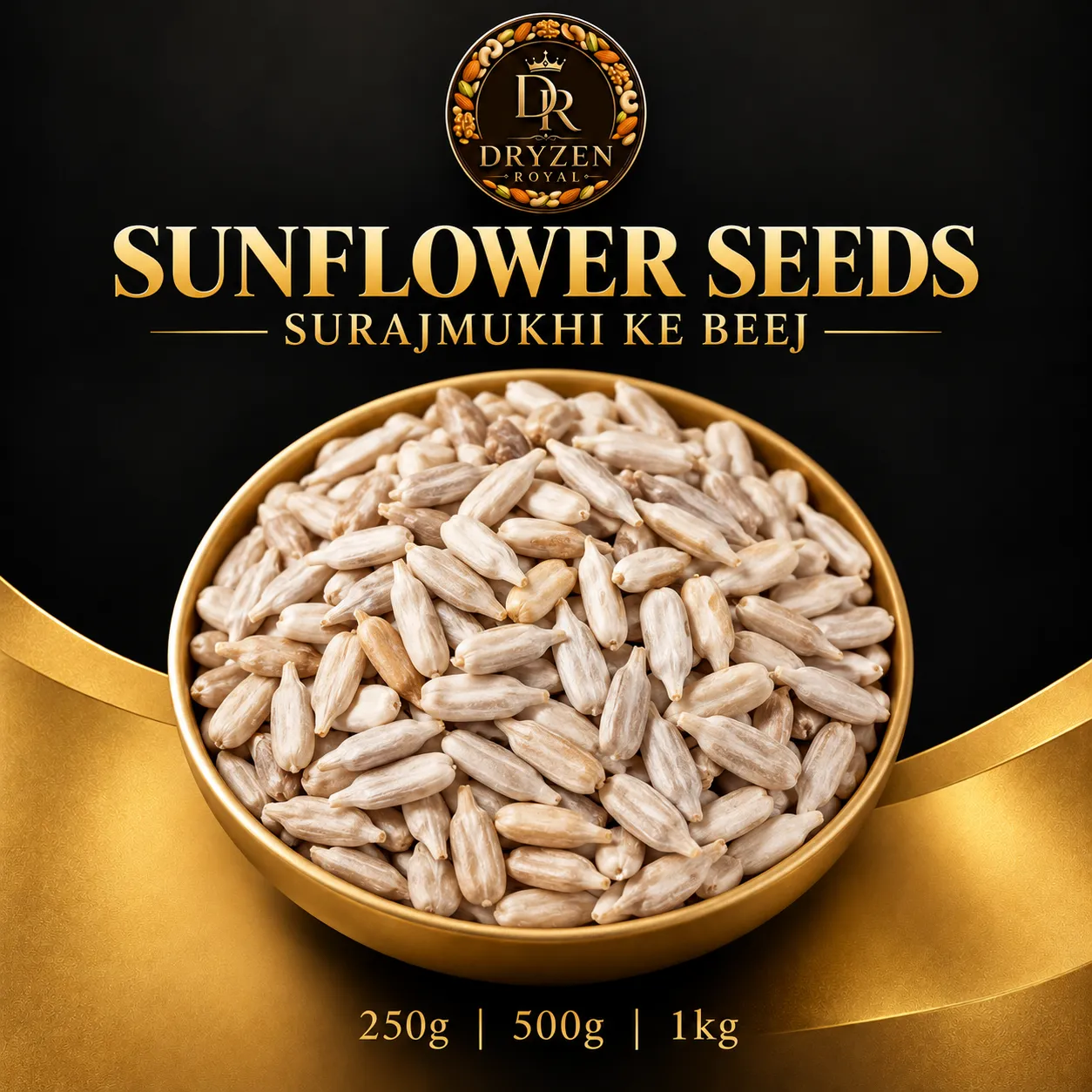
For a concentrated spread with a different water balance, explore sunflower seed butter. Read the sunflower seed ingredient guide when choosing your kernels.
Explore Sunflower seeds at Dryzen Royal and check the listed format before choosing kernels for a homemade drink.
This method drains and rinses the kernels, then uses a separate measured amount of fresh drinking water.
No. Stirring can redistribute solids, but abnormal changes or uncertain handling still need attention.
No. Do not assume the same nutritional composition or processing from this simple home recipe.
Not casually. It changes moisture and solids; use a recipe developed for the pulp.
Questions about this article?
Email us and we will get back to you.
Explore more
